
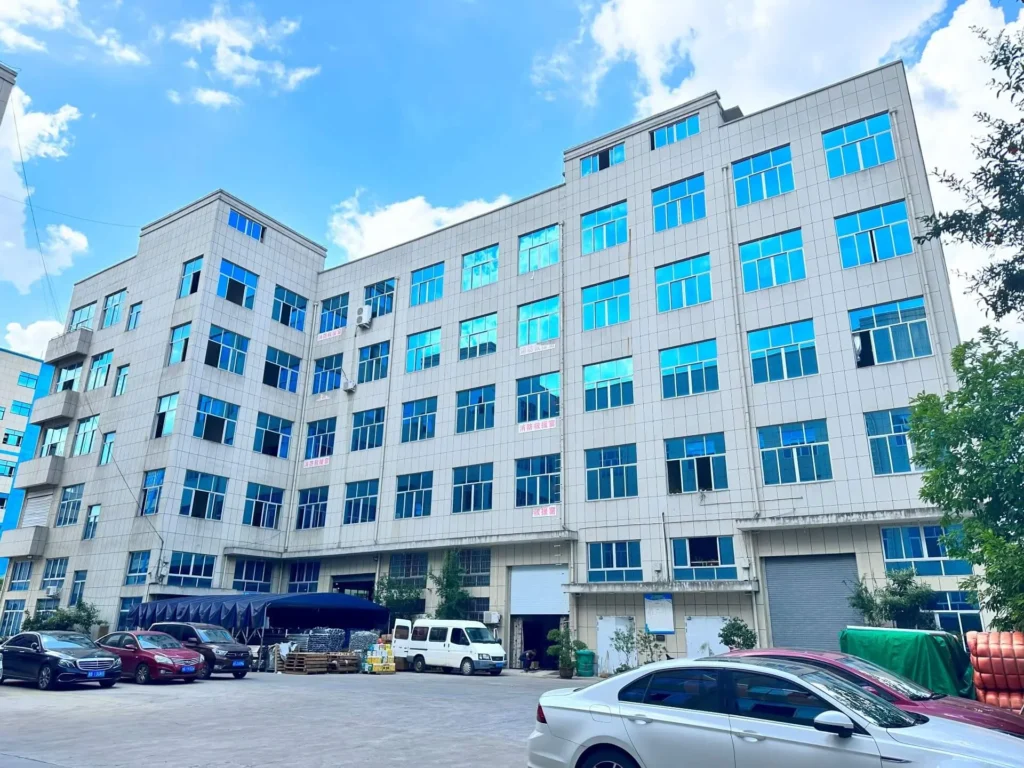
In commercial lighting sourcing, time and money are often lost between suppliers, not only inside the product price. A buyer may work with one factory for downlights, another for track lights, another for outdoor fixtures, another for LED strips, and another for packaging. Every extra supplier creates more emails, more samples, more quality checks, more payment records, more shipment coordination, and more risk when something changes.
This is why many importers, wholesalers, contractors, and private-label brands look for a one-stop lighting manufacturer. A one-stop partner can help buyers simplify product selection, coordinate manufacturing, align packaging, manage quality control, and reduce repeat communication across multiple product categories.
This article explains how a one-stop lighting manufacturer can streamline your supply chain and save time and money without sacrificing product quality. If you are comparing supplier options, Enton LED’s article on red flags when choosing a commercial lighting supplier is also worth reading.
What Does One-Stop Lighting Manufacturing Mean?
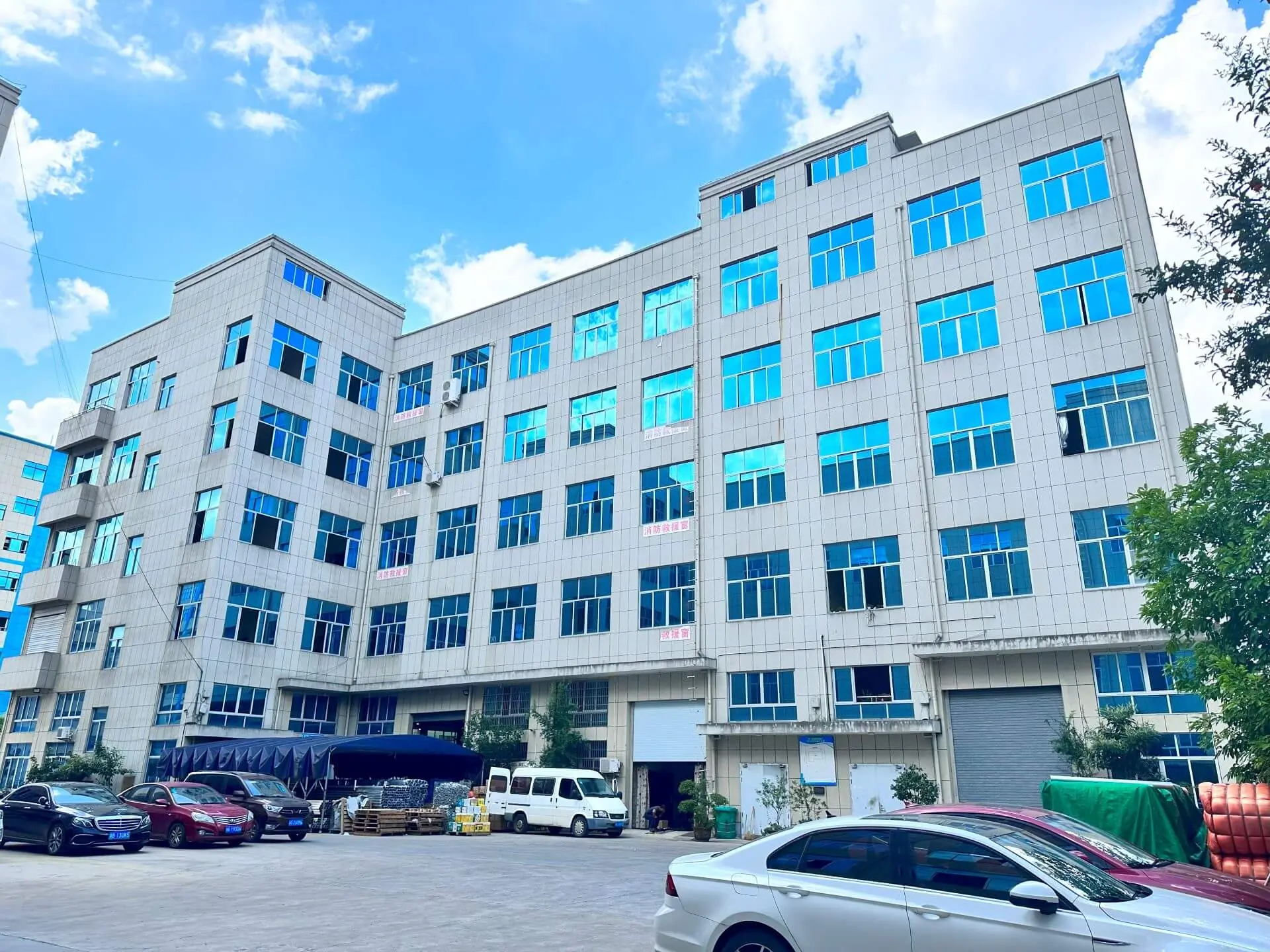
One-stop lighting manufacturing does not mean one factory must make every component inside one building. In real supply chains, a reliable lighting manufacturer may combine in-house production, assembly, profile processing, packaging, inspection, supplier coordination, and project communication. The key value is that the buyer has one organized partner managing the lighting package instead of chasing many disconnected suppliers.
For commercial buyers, one-stop support may include:
- Product selection across indoor, outdoor, solar, and architectural lighting categories.
- Sample coordination and specification confirmation.
- OEM/ODM product customization.
- Private label packaging, labels, manuals, and carton marks.
- Quality control and pre-shipment inspection.
- Batch records and repeat order coordination.
- Consolidated communication and shipment planning.
The result is not only convenience. It can reduce mistakes that create hidden cost.
1. Fewer Suppliers Means Less Communication Waste
Communication is one of the biggest hidden costs in lighting sourcing. If a buyer manages five suppliers for one project, the buyer must confirm five quotation formats, five sample schedules, five payment records, five packaging requirements, and five shipping plans. When one specification changes, the buyer may need to repeat the same explanation again and again.
A one-stop lighting manufacturer reduces this friction. The buyer can discuss the full project package with one team, making it easier to align CCT, finish, packaging, lead time, and product documentation. This is especially useful for projects that combine indoor lights, outdoor lights, and solar lights.
For busy importers and distributors, fewer communication threads also mean fewer opportunities for errors. A missed attachment or old specification sheet can become expensive once production starts.
2. Faster Product Matching for Commercial Projects
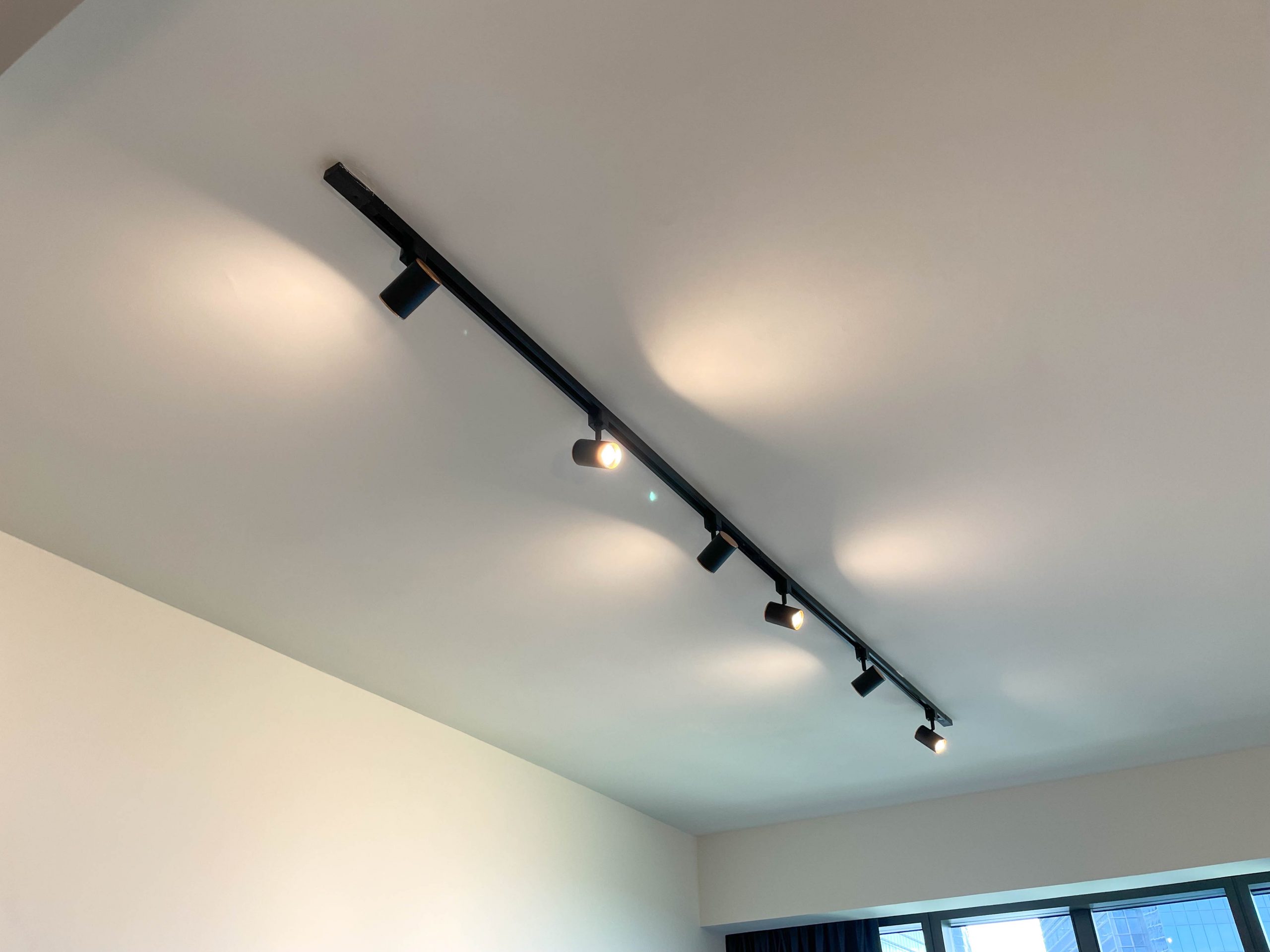
Commercial lighting buyers often need several fixture types for one project. A hotel may need downlights, wall lights, pendant lights, outdoor lights, and landscape products. A retail chain may need track lights, linear lights, spotlights, and back-of-house lighting. A distributor may need a full catalog range that looks consistent across product families.
A one-stop manufacturer can help match product categories faster because the team understands how the pieces work together. Instead of quoting one fixture in isolation, the supplier can help the buyer think through application, installation method, visual style, wattage, beam angle, color temperature, and packaging format.
Enton LED’s product range includes recessed downlights, track lights, pendant lights, outdoor wall lights, solar lighting, and other project-oriented categories through the All Products page.
3. Better Specification Control Across Product Lines
Specification drift is a common problem when buyers use many suppliers. One supplier may use one CCT label format, another may define beam angle differently, another may use different CRI options, and another may handle IP rating or dimming information in a different way. This makes catalogs, packaging, quotations, and project documentation harder to control.
A one-stop manufacturer can help standardize key specification fields across product lines. For example, the buyer can define consistent rules for model numbers, CCT options, finish names, beam angle data, packaging labels, driver information, warranty statements, and installation notes.
This is especially useful for private-label brands. Enton Light’s private label packaging checklist for LED products explains why labels, barcodes, manuals, packaging files, and carton marks must stay consistent across SKUs.
4. Lower Sampling and Development Cost
Sampling costs are not only sample fees. Buyers also pay through time, shipping, testing, internal review, customer approval, and revision cycles. When samples come from many suppliers, the process can become slow and fragmented.
A one-stop manufacturer can reduce sampling cost by coordinating related products together. If the buyer is preparing a hotel lighting package, the supplier can help prepare downlights, pendant lights, wall lights, and outdoor lights in one coordinated sample plan. If the buyer is building a product line, the supplier can help align packaging, labels, and specification sheets before samples are approved.
For OEM/ODM cooperation, this matters even more. Enton Light’s article on LED strip OEM/ODM manufacturing explains how existing product platforms, supplier experience, and packaging coordination can reduce development cost and speed up growth.
5. Packaging and Branding Become Easier to Manage
Packaging is one of the easiest places to lose time when multiple suppliers are involved. Different suppliers may use different box sizes, label formats, barcode locations, carton marks, manuals, and accessory bags. For a brand owner or wholesaler, this can create a messy customer experience and more warehouse work.
A one-stop lighting manufacturer can help create a shared packaging system across product families. The same brand rules can be applied to downlights, track lights, LED strips, outdoor fixtures, and solar products while still keeping each product’s technical information accurate.
Consistent packaging can save money in several ways:
- Fewer artwork mistakes.
- Lower manual rework after goods arrive.
- Easier warehouse identification.
- Better retail or distributor presentation.
- Lower customer service pressure from unclear labels.
6. Quality Control Is Easier to Standardize
Quality control becomes harder when every supplier uses a different inspection method. One supplier may check only appearance, another may check power-on testing, another may focus on packaging, and another may provide almost no inspection records. This makes it hard for the buyer to compare quality consistently.
A one-stop lighting manufacturer can apply a more consistent quality process across the order. Checks may include material inspection, sample approval, production monitoring, power-on testing, packaging inspection, carton label verification, and pre-shipment photos.
The official ISO 9000 family of quality management standards is a useful reference for thinking about process consistency, customer requirements, and continual improvement. Even when buyers are not asking for a specific certificate, the idea of repeatable quality control is valuable in lighting sourcing.
7. Consolidated Shipments Can Reduce Logistics Work
International logistics becomes more complicated when products ship from several suppliers. The buyer may need to coordinate different ready dates, warehouses, cartons, packing lists, export documents, and freight arrangements. If one supplier is late, the whole project schedule can be affected.
A one-stop lighting partner can help consolidate product planning and shipment timing. Even when products come from different production lines or related supply resources, one organized partner can help prepare shipment information more clearly.
Consolidation may reduce:
- Repeated freight communication.
- Separate export document handling.
- Mixed packing and carton-label confusion.
- Warehouse receiving complexity.
- Project delays caused by scattered ready dates.
For importers, less logistics complexity can save time even when the freight cost itself is similar.
8. Repeat Orders Become More Predictable
Repeat orders are where supply chain discipline shows its value. A buyer may be happy with the first shipment, but if the second order has different finish color, different packaging, different driver, or different carton mark, the buyer must spend time fixing problems.
A one-stop manufacturer can keep better records across repeat orders. This may include approved samples, product photos, specification sheets, packaging artwork, carton marks, batch records, and key component information. Better records help prevent the same product from slowly changing over time.
For buyers selling into professional channels, consistency protects trust. Contractors, distributors, and retailers expect the same product to look and perform the same when reordered.
9. Faster Problem Solving When Something Changes
Every supply chain faces changes. A driver may become unavailable, packaging artwork may need an update, a project may change CCT, or a customer may ask for a new accessory. When many suppliers are involved, even a small change can become slow.
With a one-stop manufacturer, the buyer can coordinate changes through one team. The supplier can explain which product categories are affected, update samples, check packaging, and control the change before production. This reduces the risk of one product being updated while another product still uses old information.
For regulated or market-specific products, change control is especially important. Enton LED’s article on how LED lighting manufacturers can support the European CE process explains why tested samples, labels, documentation, and production consistency must stay aligned.
10. Lower Total Cost, Not Just Lower Unit Price
The biggest advantage of a one-stop lighting manufacturer is not always the cheapest single product. The bigger advantage is lower total cost. Buyers can save through fewer mistakes, faster sampling, clearer communication, better packaging control, smoother inspection, fewer shipment problems, and easier repeat orders.
This is the same reason buyers should be careful with extremely low quotations. Enton LED’s article on hidden risks of importing low-cost LED lights explains why the lowest unit price can become expensive after quality issues, packaging errors, compliance problems, or after-sales claims.
A one-stop partner helps buyers focus on the full cost picture:
- Product cost.
- Sampling cost.
- Communication time.
- Packaging and labeling cost.
- Inspection and rework cost.
- Logistics coordination cost.
- Warranty and after-sales cost.
- Repeat order management cost.
Why Enton LED Is a Practical One-Stop Lighting Partner
Enton LED supports global buyers with indoor lights, outdoor lights, solar lights, OEM/ODM cooperation, private-label packaging awareness, product communication, factory-side coordination, and inspection support. This makes it a practical partner for buyers who want to simplify commercial lighting sourcing instead of managing many disconnected suppliers.
Whether you are building a wholesale catalog, preparing a project lighting package, developing private-label LED products, or sourcing repeat orders for multiple markets, a one-stop manufacturer can help reduce friction across the full order cycle.
If your team is spending too much time managing separate suppliers, scattered samples, inconsistent packaging, and repeated quality checks, it may be time to move toward a more coordinated lighting supply model. A one-stop manufacturer can help you save time, control risk, and protect margin with a clearer process.