Low voltage yard lights are becoming a preferred choice in many engineering projects because they solve several practical problems at the same time: safer electrical design logic in wet outdoor spaces, easier layout changes, lower LED power demand, simpler zoning, and more manageable long-term maintenance. For commercial courtyards, hotel landscapes, villa communities, public pathways, campus gardens, retail plazas, and residential developments, yard lighting is no longer a decorative afterthought. It is part of the project infrastructure.
Compared with traditional line-voltage outdoor lighting, a well-planned low voltage LED system often gives contractors, designers, and facility owners a lighting platform that is easier to adapt as the site evolves. It still needs qualified installation, waterproof connections, suitable drivers or transformers, and compliance with local electrical rules.
What Are Low Voltage Yard Lights in Engineering Projects?
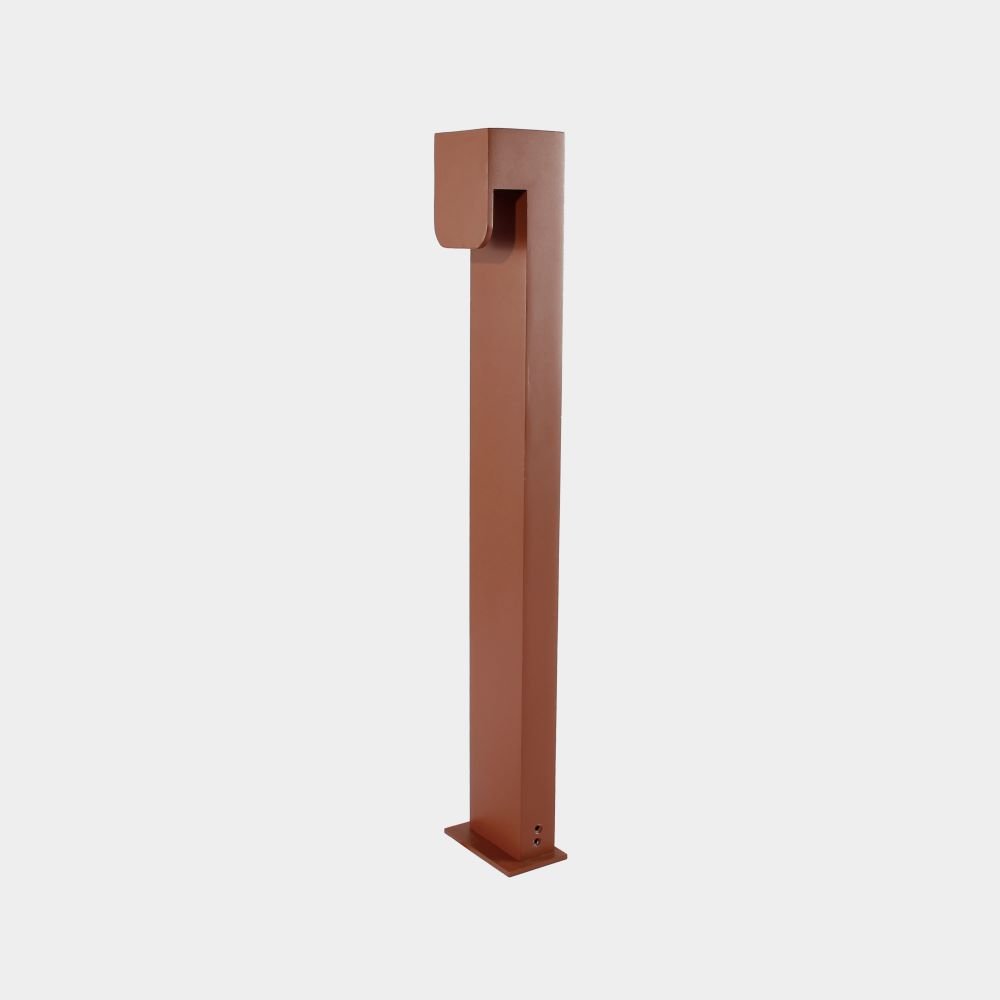
In most commercial and landscape lighting discussions, “low voltage yard lights” refer to outdoor LED fixtures powered by a reduced voltage supply, commonly 12V or 24V DC, through a transformer or LED driver. The fixture family may include lawn lights, spike lights, garden spotlights, bollard lights, step lights, wall grazing lights, and small landscape floodlights. In some projects, the system is mixed with solar fixtures or independent accent lighting where cabling is difficult.
The key difference is not only the fixture shape. It is the electrical architecture. Instead of bringing line voltage to every small outdoor point, the project uses one or more listed power supplies in planned locations, then distributes low voltage power to fixture groups. This makes low voltage yard lights especially attractive in landscape areas where the final position of plants, stonework, paths, signs, or seating may change during construction or after handover.
For professional buyers, the term should be specified clearly. A request for “low voltage yard lights” should define input voltage, output voltage, fixture wattage, beam angle, CCT, CRI, IP rating, cable length, connector type, mounting method, driver location, and control requirements.
Why Engineering Projects Increasingly Prefer Low Voltage Yard Lights
1. They Reduce Electrical Risk in Outdoor Contact Areas
Outdoor lighting is installed where people, water, soil, metal structures, irrigation systems, and maintenance tools may all be present. Low voltage does not remove the need for electrical protection, grounding practices where required, waterproof joints, or code-compliant installation. However, compared with line-voltage distribution to many small fixtures, a properly designed low voltage architecture can reduce the shock-risk profile at the fixture side of the system.
This matters in places where fixtures are close to human contact, such as hotel gardens, villa yards, public walkways, pool-adjacent landscapes, and outdoor dining spaces. For owners and consultants, it is a strong reason to consider low voltage LED yard lighting during the design stage instead of treating it as a late decorative package.
Safety also depends on product certification and system suitability. UL Solutions lists lighting safety testing and certification services for lamps, fixtures, components, and systems, including standards such as UL 2108 for low voltage lighting systems. For export or international projects, buyers should confirm which standards, labels, and documents are required in the destination market before mass production.
2. They Make Layout Changes Easier During Construction
Landscape design often changes late. Planting areas shift. Path widths change. A sign moves. The architect asks for a warmer accent on a stone wall. The owner adds seating near a courtyard. In a line-voltage outdoor lighting system, these changes can require heavier conduit work, additional protection, or more coordination with civil and electrical trades.
Low voltage yard lights give the project team more flexibility. Fixture positions can often be adjusted within a planned low voltage circuit, provided voltage drop, load, cable protection, and local rules are respected. This is valuable for projects with phased landscaping, resort renovations, commercial campuses, and residential developments where the final site experience is refined after mockups.
For example, a project may use garden ground spike lights to test the accent angle on trees and facade details before locking the final layout. A bollard route can be adjusted after the walkway is poured, and low-profile lawn lights can be shifted to avoid irrigation lines.
3. They Match the Power Profile of Modern LED Fixtures
Older outdoor lighting often depended on higher wattage sources and larger housings. Modern LED yard lights need far less power to create useful guidance, accent, or ambient lighting. A 3W to 12W LED fixture can be enough for many garden, pathway, or landscape accent applications when the optic is correct. This low power demand fits naturally with 12V and 24V system design.
LEDs also give engineers more control over beam angle, color temperature, glare, and fixture size. A project can use narrow-beam spike lights for trees, shielded bollards for pedestrian routes, low-output lawn lights for ambience, and wider flood or wall-wash fixtures for signs and architectural surfaces. Instead of over-lighting the whole yard, designers can place light exactly where it improves navigation, safety perception, and atmosphere.
For product selection, fixture quality matters. A cheap outdoor light may have inconsistent color temperature, weak sealing, poor thermal design, or unstable drivers. Enton LED’s outdoor lights and solar lights categories help buyers match fixture type to application instead of choosing one generic product for the entire yard.
4. They Support Better Zoning and Controls
Engineering projects increasingly use lighting as a controllable system. A hotel garden may need a welcoming evening scene, a low-output late-night scene, and a brighter maintenance scene. A villa community may need separate zones for gates, walkways, lawns, water features, signage, and parking edges. A commercial campus may want photocell control, timer schedules, or motion-based dimming in low-traffic areas.
Low voltage yard lights are well suited to this approach because fixture groups can be planned by scene and zone. Instead of switching every exterior point together, the design can divide the project into functional circuits. Pathway guidance can remain on longer. Decorative tree accents can turn off after closing. Security-adjacent zones can be connected to sensors or a building management schedule.
The U.S. Department of Energy notes that exterior LED luminaires can save additional energy and operating cost through networked controls that adapt to environmental conditions and real-time activity on its purchasing guidance for energy-efficient exterior lighting. In practical project terms, this means the fixture is only one part of the value. The control strategy is what helps the system stay efficient after handover.
5. They Improve Maintenance and Future Expansion
Every outdoor project changes after completion. Plants grow. Outdoor furniture changes. Tenants move in. Signage is updated. New pedestrian routes appear. A well-designed low voltage yard lighting system makes future maintenance and expansion easier because power supplies, circuit groups, and fixture families can be documented and serviced in a modular way.
For facility teams, the maintenance advantages are access and repeatability. Drivers or transformers should be installed in serviceable locations, cables should be labeled by zone, and fixture models, wattages, beam angles, and color temperatures should be recorded for future replacement.
Expansion is also easier when the original design leaves capacity. If the transformer or driver is loaded to 100 percent on day one, adding several yard lights later may require replacing the power supply. A better engineering approach is to calculate total wattage and leave a practical margin, often around 20 to 30 percent depending on the design policy, product data, thermal environment, and local installation practice.
12V vs. 24V: Which Is Better for Yard Lighting?
Both 12V and 24V systems are common in low voltage outdoor lighting, but they are not interchangeable from a design point of view. The right choice depends on cable run length, fixture power, number of fixtures, voltage drop tolerance, control plan, product availability, and project standards.
| Design Factor | 12V Low Voltage Yard Lights | 24V Low Voltage Yard Lights |
|---|---|---|
| Typical use | Small gardens, short runs, compact accent fixtures | Larger landscapes, longer runs, higher total load zones |
| Voltage drop control | Needs closer attention on long cable runs | Generally more forgiving for the same wattage and cable size |
| Fixture availability | Very common in landscape lighting | Common in architectural LED systems and larger projects |
| Best engineering fit | Localized fixture groups and short distances | Distributed outdoor zones and future expansion planning |
For larger engineering projects, 24V often becomes attractive because it can help reduce current for the same wattage and control voltage drop over longer cable runs. A 12V system can still work very well when the cable layout is short, the power supply is close, and the total fixture load is controlled.
The Engineering Details That Decide System Performance
Voltage Drop and Cable Sizing
Voltage drop is one of the most common causes of poor low voltage yard lighting performance. When too many fixtures are placed on a long cable run, the fixtures farthest from the power supply may appear dimmer, warmer, unstable, or inconsistent. This is especially noticeable in long garden paths, large villa yards, resort landscapes, and commercial courtyards.
Project teams should calculate total load, cable length, conductor size, and acceptable voltage range before installation. For long runs, the solution may include thicker cable, shorter branches, distributed power supplies, or 24V rather than 12V. For LED strip or linear outdoor accents, our guide on selecting LED strip lights for large-scale engineering projects explains why power planning is as important as product appearance.
Driver or Transformer Capacity
A low voltage yard lighting system depends on the quality and capacity of its power supply. The driver or transformer should match the output voltage, total wattage, dimming method, installation environment, and safety requirements. For outdoor zones, the enclosure and mounting location matter as much as the electrical rating.
As a simple planning rule, calculate fixture wattage multiplied by quantity, then add reasonable headroom. For example, 30 fixtures at 6W equals 180W, so a power supply with practical margin, waterproof protection, and service access will usually be more reliable than one selected at the edge of its capacity. For harsh environments, read our guide on choosing the right outdoor waterproof LED driver.
IP Rating and Outdoor Durability
Outdoor fixtures face rain, dust, irrigation spray, soil moisture, UV exposure, temperature variation, and sometimes salt air. The IEC explains that IP ratings grade an enclosure’s resistance against intrusion from dust and liquids on its Ingress Protection rating overview. For yard lighting, the required IP level depends on the exposure location. A fixture under a roof eave faces different risk than a ground spike light near irrigation or a bollard close to a lawn sprinkler.
Do not treat “waterproof” as one universal feature. Ask for the actual IP rating, sealing method, cable entry detail, connector protection, housing material, surface treatment, and installation orientation.
Optics, Glare, and Color Temperature
Low voltage yard lights are often installed close to eye level or within pedestrian view. Poor optics can create glare even when wattage is low. For commercial projects, specify beam angle, shielding, diffuser type, mounting height, aiming direction, and color temperature. Warm white is often preferred for hospitality, villa, and garden spaces, while neutral white may be used for public routes or commercial exteriors. The goal is to create visual comfort and orientation, not simply maximum brightness.
This is why mockups are useful. A garden spike light may need a different beam angle on a tall palm, dense shrub, textured wall, or sign. A low-output lawn light may create a better luxury impression than a brighter fixture that washes out the planting design.
Best Application Areas for Low Voltage Yard Lights
Low voltage yard lights are especially useful in projects where the outdoor environment is detailed, people move close to the fixtures, and the lighting layout may need adjustments over time. Common applications include:
- Hotel gardens, resort paths, and villa courtyards that need warm, comfortable evening scenes.
- Commercial office landscapes, campus walkways, and public plazas where zoning and controls matter.
- Residential developments, private yards, and community green spaces that require phased installation.
- Retail entrances, signage areas, and outdoor dining zones that need flexible accent lighting.
- Pathways, lawns, shrubs, trees, sculptures, water features, and small architectural details.
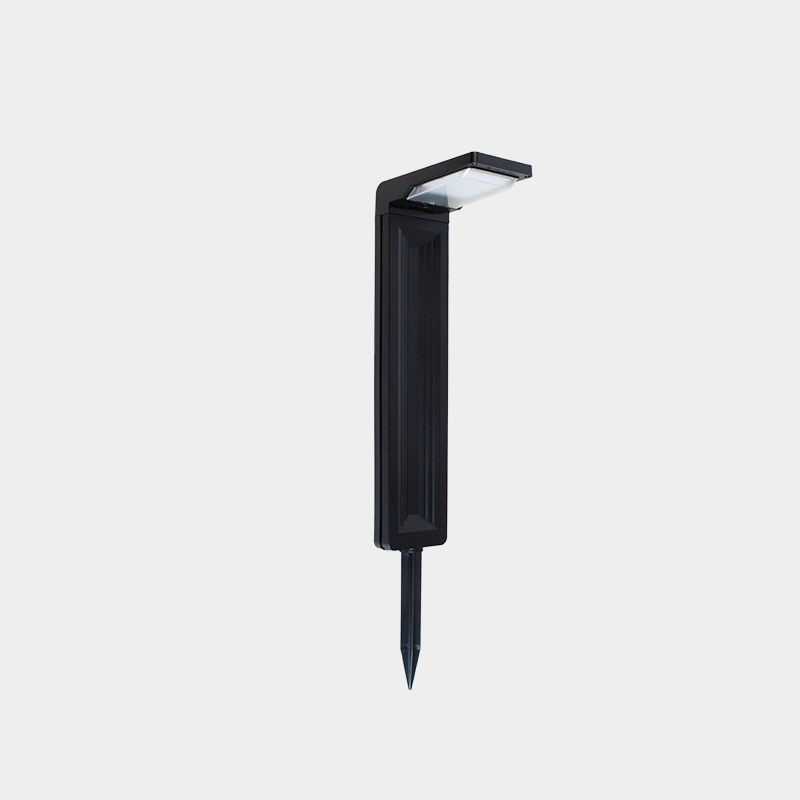
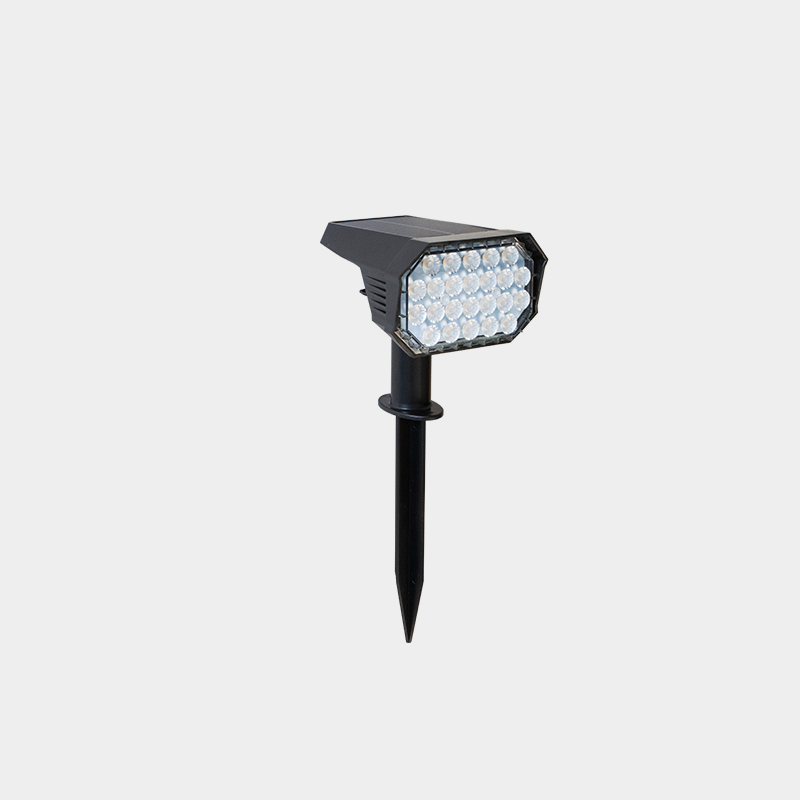
Different fixture types should be selected for different visual jobs. Garden bollard lights are useful for path definition. Outdoor solar spike lights can help where independent placement is more practical than trenching. Flood lights or garden spotlights can highlight walls, plants, and signs.
Procurement Checklist for Professional Buyers
For B2B buyers, the risk in low voltage yard lighting is not usually the concept. The risk is incomplete specification. Before confirming an order, ask the supplier for the following details:
- Fixture input voltage, wattage, lumen output, beam angle, CCT, CRI, and dimming compatibility.
- IP rating, housing material, surface treatment, cable length, connector type, and installation accessories.
- Recommended driver or transformer model, output voltage, rated wattage, installation environment, and wiring diagram.
- Maximum run recommendations, voltage drop guidance, and whether 12V or 24V is better for the project layout.
- Control options such as timer, photocell, motion sensor, zoning, dimming, or smart control integration.
- Certification documents, test reports, packaging information, spare parts policy, and warranty conditions.
- Production lead time, sample schedule, shipping plan, and packing method for bulk orders.
Lead time is especially important for engineering projects because outdoor lighting is often installed near the end of construction, when delays become expensive. Our article on lead times and shipping for bulk LED orders explains how buyers can reduce schedule risk. For procurement teams comparing very low-cost offers, our guide to hidden risks of importing low-cost LED lights is also relevant.
Common Mistakes to Avoid
The first mistake is selecting fixtures before planning the circuit. A low voltage yard light is only reliable when the power supply, cable layout, voltage drop, connectors, and controls are designed as a system. The second mistake is assuming all outdoor fixtures with the same wattage perform the same.
The third mistake is ignoring maintenance access. If a driver is sealed behind stonework or placed where water collects, the project team may save time during installation but create future service problems. The fourth mistake is mixing too many color temperatures or beam styles across the same yard.
The fifth mistake is choosing a supplier without engineering support. Commercial lighting projects need drawings, technical confirmation, sample review, packaging control, and after-sales communication. If warning signs appear during quotation, delivery, or document preparation, review our guide on red flags when choosing a commercial lighting supplier.
How Enton LED Supports Low Voltage Yard Lighting Projects
Enton LED works with professional buyers, project contractors, brands, and distributors who need dependable LED lighting products for commercial and outdoor applications. For low voltage yard lighting, our support can include fixture selection, product matching, sample preparation, project packing, OEM/ODM customization, and technical communication before bulk production.
For brands or project buyers who need customized appearance, packaging, or product families, the same manufacturing logic used in LED strip OEM/ODM manufacturing can also help outdoor lighting programs.
If your project includes garden paths, courtyards, outdoor walls, lawns, solar lighting areas, or public landscape zones, Enton LED can help you compare suitable fixture families across outdoor lights, lawn lights, spike lights, bollard lights, and solar spike lights.
FAQ: Low Voltage Yard Lights for Engineering Projects
Are low voltage yard lights always safer than line-voltage outdoor lights?
They can reduce risk at the fixture side because the distributed field voltage is lower, but they are not automatically safe in every installation. Waterproofing, cable protection, driver selection, grounding or bonding where required, overcurrent protection, and local electrical code still matter. Use qualified installers and compliant products.
Should a project choose 12V or 24V yard lights?
12V is common for short runs and compact landscape lighting. 24V is often better for larger projects, longer cable runs, and higher total load zones because it can help manage voltage drop. The best choice should be based on the actual layout, fixture wattage, cable length, and power supply plan.
What IP rating is recommended for outdoor yard lighting?
There is no single rating for every outdoor position. Covered wall areas, ground-level spike lights, exposed bollards, and fixtures near irrigation all face different risks. Check the fixture’s IP rating, connector protection, cable entry, material, and installation orientation. For wet and dusty locations, IP rating should be treated as a project requirement, not a marketing phrase.
Can low voltage yard lights be dimmed or controlled by sensors?
Yes, if the driver, fixture, and control method are compatible. Common options include timers, photocells, motion sensors, dimming controllers, and zone-based switching. Confirm the control protocol and wiring plan before ordering.
How much driver capacity should be reserved?
Many projects plan roughly 20 to 30 percent headroom, but the correct margin depends on the driver specification, ambient temperature, installation location, load type, and project standard. Do not load the power supply to its absolute limit without checking manufacturer guidance.
Conclusion
Engineering projects increasingly prefer low voltage yard lights because they align with the way modern outdoor spaces are designed, built, adjusted, and maintained. They support safer electrical design logic in contact-prone outdoor areas, flexible landscape layouts, efficient LED fixture families, zone-based controls, easier maintenance, and future expansion. The strongest results come when the project treats low voltage yard lighting as a complete system: fixture, driver, cable, connector, control, waterproofing, documentation, and supplier support.
For buyers planning commercial gardens, hotel courtyards, villa communities, public walkways, and outdoor landscape packages, Enton LED can help match the right fixture types and technical specifications to the project. The earlier low voltage yard lights are considered in the design process, the easier it becomes to create a reliable, comfortable, and cost-effective outdoor lighting system.