
Outdoor bulkhead lights are widely used in coastal hotels, resorts, apartments, villas, parking corridors, marina facilities, service passages, stairwells, and public exterior walls. In these locations, corrosion is often a bigger long-term risk than basic waterproofing. Salt air, humidity, wind-driven rain, UV exposure, cleaning chemicals, and metal fastener reactions can damage a fixture long before the LED light source reaches the end of its rated life.
For professional buyers, preventing corrosion starts with material selection. The housing, diffuser, screws, gasket, cable gland, coating, bracket, and driver compartment all matter. A bulkhead light may be labeled outdoor or waterproof, but if its surface treatment, fasteners, or cable entry are not suitable for coastal exposure, the project can face rust marks, water ingress, color fading, difficult maintenance, and early replacement.
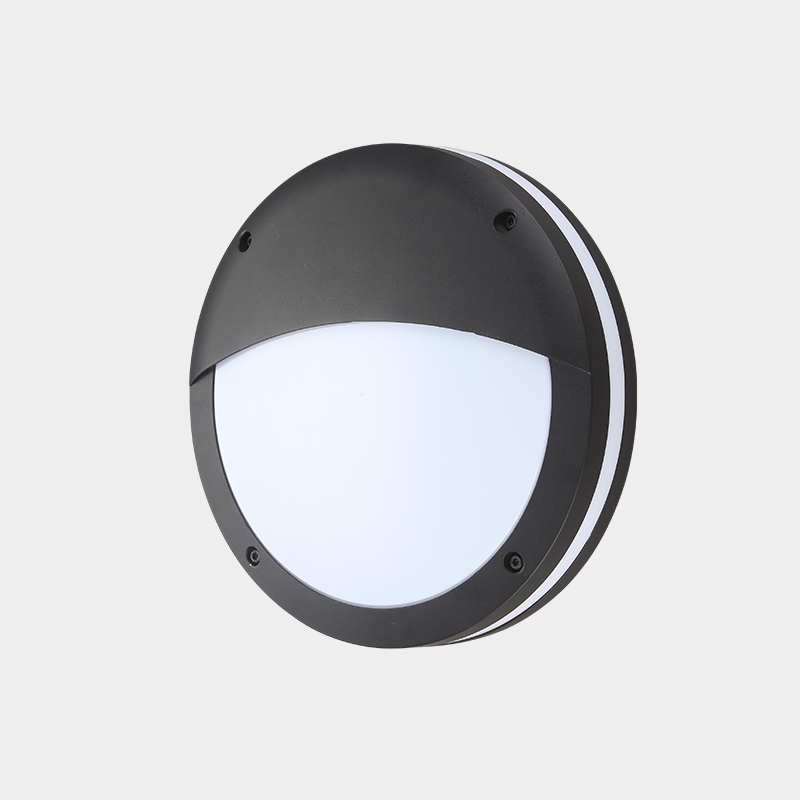
Why Coastal Regions Are Hard on Outdoor Bulkhead Lights
Coastal environments combine several stress factors. Salt particles settle on fixture surfaces and attract moisture. Humid air keeps surfaces wet for longer periods. Wind can drive rain and salt spray into small joints. UV exposure degrades some plastics and coatings. In public or hospitality projects, cleaning agents may also contact the fixture body and diffuser.
This is why a fixture that works well in a normal inland outdoor corridor may fail faster near the sea. Rust can appear on screws or brackets. Paint can blister. Aluminum can show white oxidation if coating is damaged. Cheap metal accessories can stain the wall. Diffusers can yellow or crack. Gaskets can harden, allowing moisture to enter the fixture.
The risk is especially high for bulkhead lights because they are often mounted on exterior walls, eaves, stair towers, parking areas, coastal walkways, and service zones where rain, salt, and cleaning water are common. For project buyers, the right question is not simply “Is this outdoor?” The better question is “Is every exposed material suitable for this coastal installation?”
Bulkhead Lights vs. General Outdoor Wall Lights
Bulkhead lights are usually compact, robust wall or ceiling fixtures with a protected diffuser. They are used where durability, wide distribution, and practical installation are important. Enton LED’s Bulkhead Light category includes models for outdoor walls, passages, and general exterior applications. Related products may also be grouped with outdoor wall lights.
Compared with decorative wall lights, bulkhead lights are often selected for functional areas: hotel back-of-house routes, seaside apartment corridors, resort service buildings, stairwells, loading areas, villa exterior walls, and public walkways. These areas may not be glamorous, but they need reliable operation. If corrosion causes fixture failure, the cost is not only the replacement part. It includes labor, access, guest complaints, wall staining, and possible safety concerns in circulation areas.
Material Options for Coastal Bulkhead Lights
No single material is perfect for every coastal project. The best choice depends on exposure level, budget, design requirements, installation location, maintenance plan, and certification needs. The following table gives a practical comparison for B2B buyers.
| Material or Component | Advantages | Coastal Risk | Buyer Recommendation |
|---|---|---|---|
| Die-cast aluminum housing | Strong, lightweight, good thermal performance, common for LED fixtures | Can oxidize if coating is damaged; low-quality powder coating may blister | Specify high-quality pretreatment, powder coating, and coating thickness control |
| Stainless steel screws or trims | Better corrosion resistance than ordinary steel | 304 stainless may still stain in harsh marine exposure | Consider 316 stainless steel for highly exposed coastal zones |
| Polycarbonate diffuser | Impact resistant, lightweight, suitable for public areas | May yellow or weaken if UV quality is poor | Ask for UV-resistant PC and confirm cleaning chemical compatibility |
| Glass diffuser | Good optical stability and UV resistance | Heavier and more fragile than PC | Use where impact risk is controlled and premium appearance matters |
| EPDM or silicone gasket | Helps maintain sealing around diffuser and housing joints | Low-grade rubber may harden, crack, or deform | Confirm gasket material, compression design, and replacement access |
Die-Cast Aluminum: Strong, Practical, but Coating Matters
Die-cast aluminum is common for outdoor LED bulkhead lights because it is strong, relatively lightweight, and supports heat dissipation. For many coastal projects, aluminum housing can be a good choice if the surface treatment is properly specified. The problem is not aluminum itself. The problem is weak pretreatment, thin coating, poor edge coverage, or scratches during installation.
For coastal regions, buyers should ask about pretreatment, powder coating quality, coating thickness, color stability, and whether screws or mounting accessories can damage the coating. Corners, screw holes, cable entry points, and rear mounting surfaces deserve attention because corrosion often starts where the coating is thin or broken.
When comparing quotes, do not treat two aluminum bulkhead lights as equal only because both say “die-cast aluminum.” Housing weight, coating process, gasket design, screw material, and assembly quality can be very different. This is one reason very low-cost outdoor products may create hidden lifecycle risk, as discussed in our guide to hidden risks of importing low-cost LED lights.
Stainless Steel: Choose the Grade Carefully
Stainless steel is often associated with corrosion resistance, but the grade matters. 304 stainless steel is common in many outdoor products, while 316 stainless steel is usually preferred for more demanding marine or high-salt environments because it has better resistance to chloride exposure. In coastal projects, screws, clips, trims, and brackets can be weak points if ordinary steel is used.
For buyers, it is important to specify fastener material instead of assuming the whole fixture is corrosion-resistant. A powder-coated aluminum fixture with ordinary steel screws can still leave rust marks on a wall. A stainless trim with a poor rear bracket can still fail. If the installation is close to the sea, near a marina, or exposed to salt spray, ask whether 316 stainless steel fasteners are available or recommended.
Diffuser and Lens Selection: PC, Acrylic, or Glass?
The diffuser is exposed to UV, salt, impact, cleaning, and heat. Polycarbonate is popular because it is impact resistant, making it useful for public corridors, parking areas, stairwells, and hotel service zones. However, the PC grade should be UV-resistant. Poor material may yellow, become brittle, or lose optical clarity.
Acrylic can offer good clarity but may be less impact-resistant than polycarbonate. Glass provides excellent UV stability and a premium feel, but it is heavier and can break under impact. For coastal hotels and apartments, the right choice depends on whether the fixture is in a guest-facing wall, public corridor, service passage, or vandal-prone area.
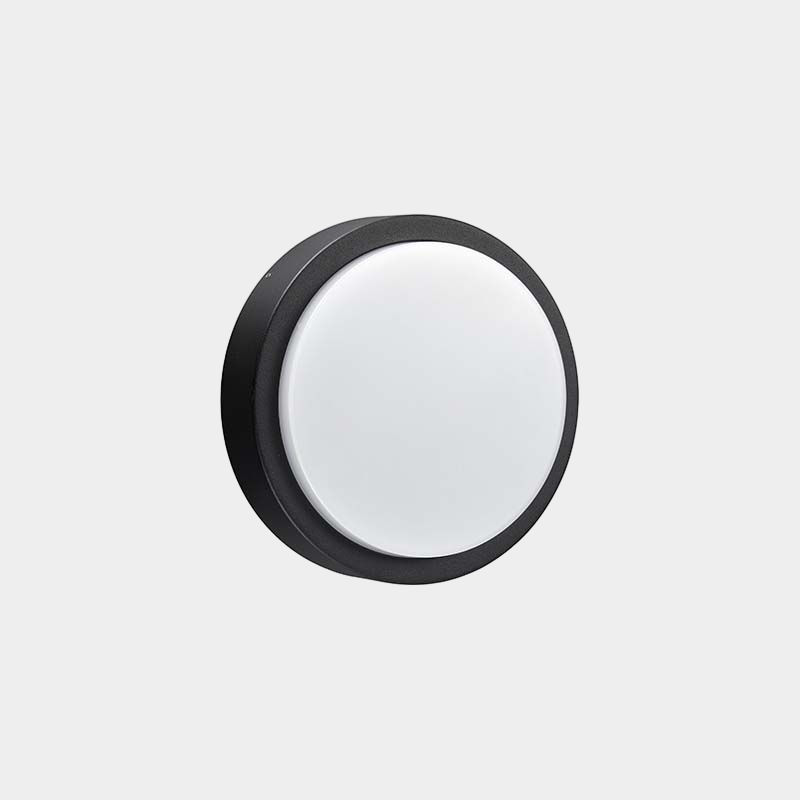
Gaskets, Cable Glands, and Hidden Failure Points
In coastal lighting, the hidden parts often decide the real service life. A good housing will not help if the gasket loses compression. A strong diffuser will not help if the cable gland lets moisture enter. A high IP rating will not protect the system if the junction box or cable connection is poorly sealed.
For bulkhead lights, ask about gasket material, gasket thickness, compression design, screw torque, cable gland structure, and rear mounting sealing. EPDM and silicone are common gasket materials, but quality varies. The gasket should be designed to maintain pressure after repeated heating, cooling, and humidity cycles.
Installation also matters. If the rear cable entry is not sealed against the wall, water can run behind the fixture. If installers overtighten screws, the gasket may deform. If they undertighten screws, the seal may be incomplete. If the fixture is mounted where water sits, even a good product can face unnecessary stress.
IP Rating Is Not the Same as Corrosion Resistance
Many buyers assume that a high IP rating means a fixture is suitable for coastal regions. That is not accurate. The IEC IP rating system describes resistance to ingress from solids and water under defined test conditions. It does not automatically describe salt resistance, corrosion resistance, UV stability, coating quality, or chemical exposure.
For example, an IP65 bulkhead light may be suitable for general outdoor rain exposure, but if it uses weak screws or poor coating, it can still corrode near the sea. Conversely, a corrosion-resistant fixture can still fail if the cable entry is not waterproof. Buyers should specify both IP requirements and corrosion-related material requirements.
For more detail on choosing IP levels for outdoor fixtures, see our complete guide to IP ratings for outdoor lighting. For harsh installation environments, the driver and power connection also matter; our article on outdoor waterproof LED drivers explains that part of the system.
Salt Spray Testing and What Buyers Should Ask
Salt spray testing is often used as a comparative quality-control tool for corrosion resistance. The official ASTM B117 salt spray test method is one widely referenced standard for operating salt spray apparatus. However, buyers should understand its limits. Passing a salt spray test does not guarantee a fixture will last for a specific number of years in every coastal site. Real environments include UV, temperature cycling, pollutants, cleaning chemicals, installation damage, and maintenance differences.
When discussing salt spray performance with suppliers, ask clear questions:
- Which test method was used, and does the report apply to the exact product structure?
- Was the complete fixture tested, or only a coating sample?
- Were screws, brackets, gaskets, and cable glands included?
- What acceptance criteria were used after testing?
- Does customization change the coating, metal grade, or sealing design?
This approach keeps the conversation practical. The goal is not to collect impressive numbers for a catalog. The goal is to make sure the selected bulkhead light is suitable for the real coastal project.
NEMA, UL, and Project Documentation
Some North American projects use NEMA enclosure language in addition to or instead of IP ratings. NEMA explains enclosure types and environmental considerations in its official enclosure standards information. NEMA and IP systems are not identical, so buyers should not assume a direct conversion unless the project engineer approves it.
Safety certification is another separate requirement. UL Solutions provides lighting safety testing and certification for luminaires, components, and systems. For hotel, resort, apartment, and public exterior projects, buyers should confirm the required certification and documentation before ordering, especially when importing fixtures for a regulated market.
Installation Details That Reduce Coastal Corrosion
Even the right material can fail if installed poorly. Coastal projects should avoid mounting fixtures where water is trapped behind the housing. Drainage should be considered around eaves, corridors, and wall recesses. Cable entries should face the correct direction and be sealed according to instructions. If the fixture has a rear gasket, the wall surface should be suitable for proper compression.
Maintenance also matters. Salt deposits should be cleaned periodically with suitable methods. Harsh cleaning chemicals should be avoided unless the supplier confirms compatibility. Damaged coating should be addressed quickly because scratches can become starting points for corrosion. For resorts and seaside apartments, periodic inspection before high season can prevent small issues from becoming visible guest-facing problems.
Procurement Checklist for Coastal Bulkhead Lights
- Define how close the installation is to the sea, marina, pool, or salt-exposed area.
- Specify housing material, coating process, coating thickness, and color stability.
- Confirm whether screws, brackets, and trims use stainless steel, and whether 316 is required.
- Choose UV-resistant diffuser material suitable for impact and cleaning conditions.
- Review gasket material, cable gland design, rear sealing, and junction box protection.
- Specify IP rating separately from corrosion resistance and coating requirements.
- Ask for salt spray test information where appropriate, but review what was actually tested.
- Confirm certification, packaging, spare parts, lead time, and warranty terms before bulk order.
For large coastal projects, logistics and replacement planning are important. Outdoor bulkhead lights are often installed in many repeated locations, so fixture consistency matters. Our guide on lead times and shipping for bulk LED orders can help buyers manage project schedules. If the supplier shows weak documentation or unclear material claims, review our article on red flags when choosing a commercial lighting supplier.
How Enton LED Supports Coastal Bulkhead Lighting Projects
Enton LED supports professional buyers, contractors, distributors, and lighting brands with outdoor lighting products for commercial and engineering applications. For coastal bulkhead projects, we can help buyers compare housing material, diffuser type, IP rating, finish options, mounting details, packaging, and documentation needs.
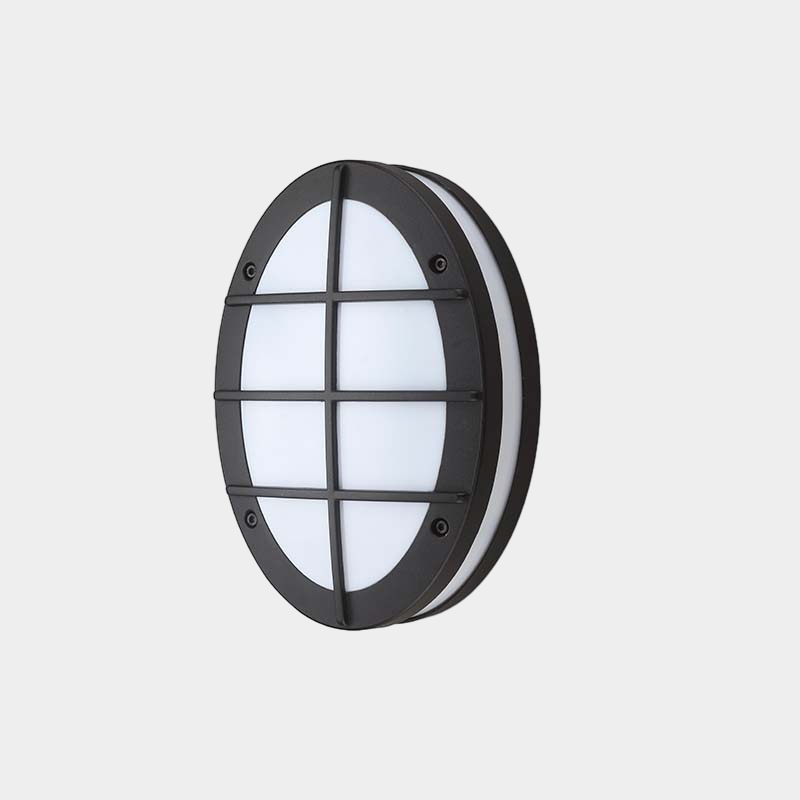
Relevant products include LED Bulkhead Light #ETO0865, LED Bunker Wall Light #ETO0868, LED Waterproof Round Bunker Wall Light #ETO0870, LED Bulkhead Light #ETO0872, and LED Bulkhead Grid Round Wall Light #ETO0874. Buyers can also review broader outdoor lights and outdoor wall lights for related coastal applications.
FAQ: Corrosion Prevention for Outdoor Bulkhead Lights
Is stainless steel always better than aluminum for coastal bulkhead lights?
Not always. Stainless steel grade matters, and aluminum can perform well with proper pretreatment and coating. A good coastal fixture is a complete material system: housing, coating, screws, diffuser, gasket, cable gland, and installation method.
Should coastal projects require 316 stainless steel screws?
For highly exposed marine or salt-air environments, 316 stainless steel fasteners are often preferred over ordinary steel or 304 stainless steel. The final requirement depends on exposure level, budget, project standard, and maintenance plan.
Does IP65 mean a bulkhead light is corrosion resistant?
No. IP65 describes protection against dust and water jets under defined conditions. It does not describe salt resistance, coating quality, UV stability, or fastener corrosion. Buyers should specify corrosion-related materials separately.
What diffuser is best for coastal bulkhead lights?
UV-resistant polycarbonate is practical where impact resistance is important. Glass offers strong UV stability and a premium appearance but is heavier and more fragile. The best choice depends on the location, impact risk, appearance requirement, and maintenance plan.
Is salt spray testing enough to guarantee long life?
No. Salt spray testing is useful for comparison and quality control, but real coastal environments also include UV, temperature cycling, cleaning chemicals, installation damage, and maintenance differences. Ask what was tested and how the result should be interpreted.
Conclusion
Preventing corrosion in coastal bulkhead lights requires more than choosing an outdoor fixture with a waterproof label. Buyers should evaluate the complete assembly: housing material, coating, fasteners, diffuser, gasket, cable gland, driver protection, certification, and installation method. Coastal regions are demanding because salt, humidity, UV, and cleaning exposure attack every weak point.
For hotels, resorts, seaside apartments, marina facilities, and commercial coastal projects, the best procurement decision is based on lifecycle reliability rather than lowest unit price. Enton LED can help professional buyers select outdoor bulkhead lights and related wall lighting products that match coastal exposure, project documentation, and long-term maintenance needs.