IP ratings are one of the most important technical details in outdoor lighting procurement. They tell buyers how well a luminaire enclosure is protected against solid objects, dust, and water. For engineering projects, the right IP rating can help prevent early failure, reduce maintenance visits, and protect the lighting system from rain, irrigation spray, dust, soil moisture, and temporary water exposure.
However, IP ratings are often misunderstood. A higher number is not always the best choice, and “waterproof” is not a complete specification. A step light under a covered stair, an outdoor wall light on a facade, a flood light exposed to heavy rain, and an underground light installed in paving all face different risks. Professional buyers should match the IP rating to the real installation environment, not simply request the highest number on a datasheet.
What Does an IP Rating Mean?
IP stands for Ingress Protection. The rating is defined by the IEC 60529 system and is used to describe how well an electrical enclosure resists intrusion from solid objects and water. The IEC overview of IP ratings explains the two-digit structure: the first digit relates to protection against solids and dust, while the second digit relates to protection against water.
For example, IP65 does not mean the fixture can be submerged. It means the enclosure is dust-tight and protected against water jets under defined test conditions. IP67 indicates dust-tight protection and protection against temporary immersion under specified conditions. IP68 indicates dust-tight protection and continuous immersion protection under conditions declared by the manufacturer. Those distinctions matter when choosing outdoor lights for commercial projects.
The IP code is useful because it gives designers, contractors, and procurement teams a shared technical language. But it does not describe every outdoor risk. It does not automatically define corrosion resistance, UV stability, impact strength, load-bearing capacity, cable durability, salt-spray performance, drainage quality, or driver reliability. Those items must be specified separately.
How to Read the First Digit: Solid and Dust Protection
The first digit in an IP rating describes protection against solid objects. For outdoor lighting, the most common meaningful values are 4, 5, and 6. IP4X protects against objects larger than 1 mm. IP5X is dust-protected, meaning dust ingress is limited enough not to interfere with satisfactory operation. IP6X is dust-tight.
In outdoor lighting projects, dust protection matters more than many buyers expect. Landscape areas can expose fixtures to soil, sand, construction dust, wind-driven particles, and insects. In-ground and near-ground fixtures are especially vulnerable because they sit close to soil and cleaning water. For long-life outdoor LED projects, IP5X or IP6X is usually more relevant than lower solid-protection levels.
How to Read the Second Digit: Water Protection
The second digit describes water protection. For outdoor lighting, the most common project-level ratings are IP44, IP54, IP65, IP66, IP67, and IP68. The second digit should be selected according to the real exposure: occasional splash, rain, hose cleaning, strong water jets, temporary pooling, or immersion.
| Rating | Typical Meaning | Outdoor Lighting Use Case |
|---|---|---|
| IP44 | Protection against small solids and splashing water | Covered outdoor areas with limited direct rain exposure |
| IP54 | Dust-protected and splash-resistant | Semi-covered wall lights, sheltered corridors, balcony lighting |
| IP65 | Dust-tight and protected against water jets | General outdoor wall lights, bollards, spike lights, facade fixtures |
| IP66 | Dust-tight and protected against powerful water jets | Exposed flood lights, coastal rain zones, commercial exteriors |
| IP67 | Dust-tight and protected against temporary immersion | In-ground fixtures where short-term pooling may occur |
| IP68 | Dust-tight and protected for continuous immersion under stated conditions | Special underwater or continuously wet applications, subject to manufacturer limits |
This table is a practical guide, not a substitute for local codes or manufacturer data. IP testing is performed under defined laboratory conditions. A fixture that passes IP67 can still fail outdoors if installed in poor drainage, buried incorrectly, exposed to chemical cleaning agents, or connected with unsealed cable joints.
Why Outdoor Lighting Buyers Should Not Only Ask for “Waterproof”
“Waterproof” is a marketing word. It is not enough for engineering procurement. A professional specification should state the required IP rating, test reference, installation orientation, cable entry method, connector type, driver location, housing material, gasket structure, and whether the fixture will be exposed to rain, irrigation, washdown, pooling, or immersion.
This is especially important for outdoor LED lights because the luminaire is only one part of the system. Water can enter through the cable joint, driver box, mounting hole, seal gap, screw, or damaged coating. If the connector is not protected, the fixture IP rating alone does not protect the complete installation. For this reason, our guide to choosing outdoor waterproof LED drivers is closely related to IP rating selection.
For buyers importing large volumes, weak waterproof claims are one of the hidden risks behind very low prices. Poor gaskets, thin housing materials, weak cable glands, and inconsistent assembly can pass a quick visual check but fail after rain cycles. Our article on hidden risks of importing low-cost LED lights explains why documentation and supplier quality control should be reviewed before mass orders.
IP Rating Selection by Fixture Type
Step Lights
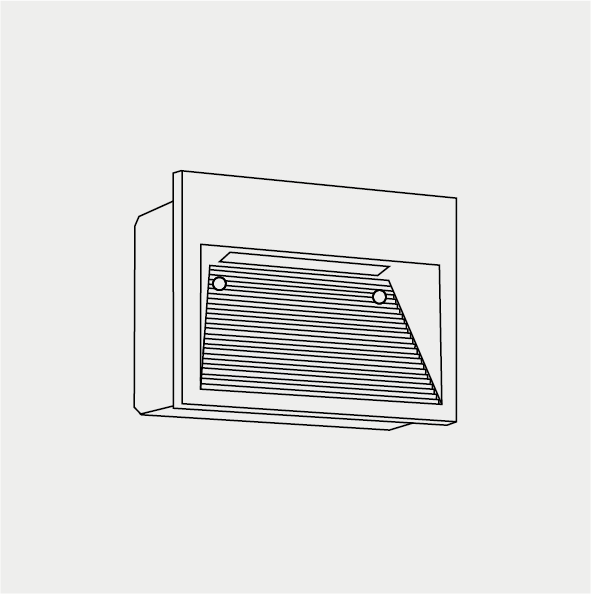
Step lights are often installed in stairs, corridors, terraces, retaining walls, decks, and outdoor walkways. Their exposure depends heavily on location. A step light under a roofed entrance may only need protection against splashing and occasional cleaning water. A step light in an open landscape stair may face direct rain, dust, foot traffic, and water flowing down the steps.
For sheltered outdoor step lights, IP54 or IP65 is commonly considered depending on the environment. For exposed step lights, IP65 is usually a safer baseline. If the step area is washed frequently or water can collect around the fixture, the project should review drainage and installation details rather than relying on IP rating alone. Step lights also need glare control, good thermal design, and a secure mounting structure because they are close to people and often close to eye level.
Outdoor Wall Lights
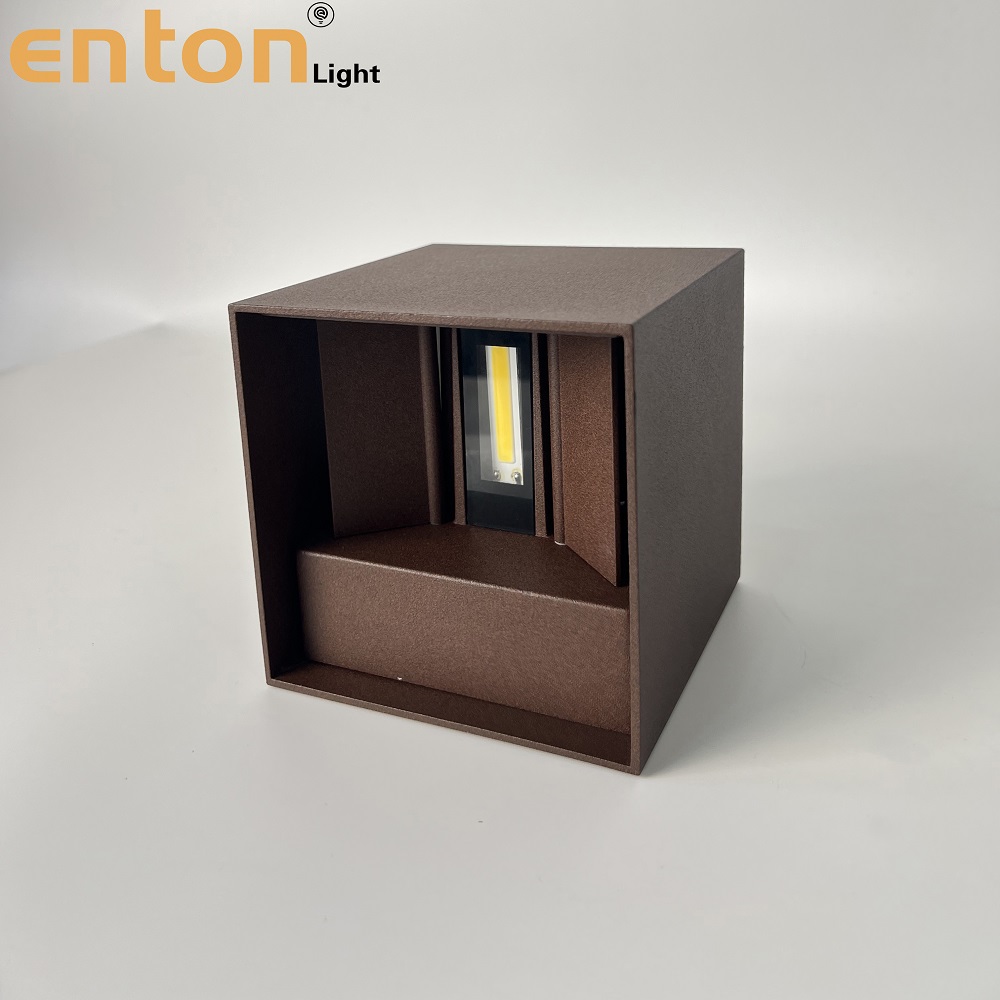
Outdoor wall lights are installed on facades, entrances, balconies, hotel walls, villa exteriors, and public corridors. IP65 is often a practical choice for exposed wall lights because it covers dust-tight protection and water jets. In semi-covered areas, IP54 may be enough if direct rain exposure is limited and the fixture is mounted correctly.
Wall light performance depends on more than IP code. Cable entry should be sealed, the backplate should sit correctly against the wall, and water should not be trapped behind the fixture. For coastal or humid regions, surface treatment and corrosion resistance become just as important as ingress protection. A high IP rating on a weak coating is not a long-term solution.
Bollard Lights and Spike Lights
Bollard lights and spike lights sit close to soil, irrigation, landscaping, and pedestrian routes. IP65 is a common project baseline, but the actual requirement depends on whether the fixture is near sprinklers, lawn maintenance, soil splash, or low drainage areas. In garden zones, the cable and connector may be a bigger failure point than the luminaire body.
For large landscape projects, it is helpful to divide fixture locations by exposure level. A spike light under dense planting may need different cable protection than a bollard on a paved path. If a lighting zone is regularly hit by irrigation, the supplier should confirm connector sealing, cable gland quality, and installation orientation. Our article on why engineering projects prefer low voltage yard lights explains why outdoor wiring design and fixture placement should be planned together.
Flood Lights
Flood lights are often installed in highly exposed locations: building facades, signage areas, yards, parking edges, construction zones, loading areas, and public spaces. They may face heavy rain, wind-driven dust, high temperature, vibration, and occasional cleaning water. IP65 is common for general outdoor flood lighting, while IP66 may be preferred for harsher exposed environments.
Because flood lights use higher wattage than many accent fixtures, thermal design is critical. A sealed luminaire must still dissipate heat effectively. If the housing is poorly designed, a high IP rating can trap heat and reduce LED or driver life. Buyers should review both waterproof performance and heat management when selecting flood lights for commercial projects.
Underground and In-Ground Lights
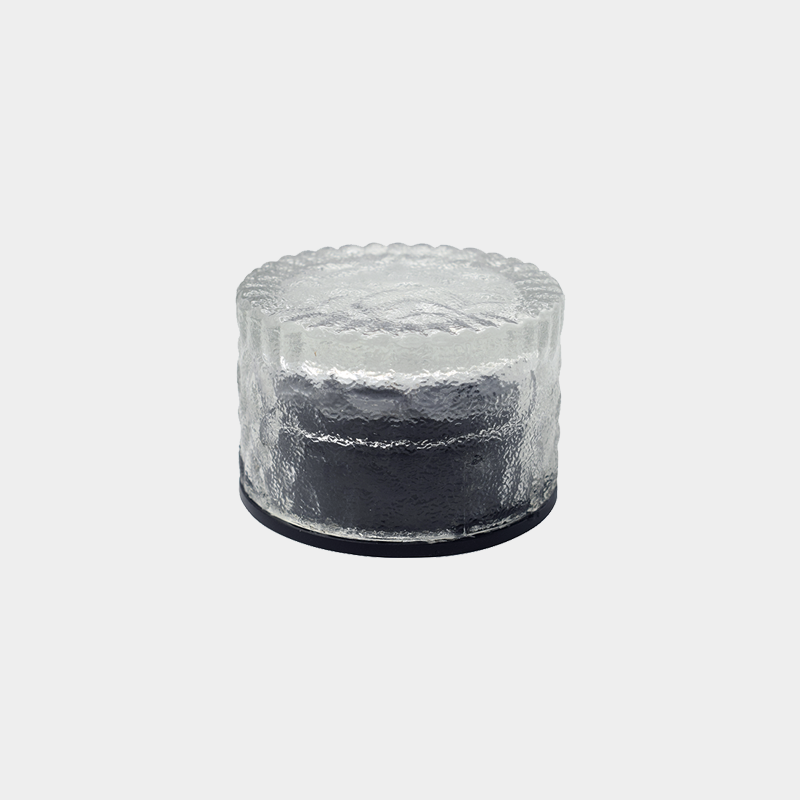
Underground lights and in-ground lights have the most demanding installation conditions in many outdoor lighting projects. They may be exposed to rainwater, temporary pooling, soil pressure, cleaning water, dust, and mechanical impact. IP67 is often used for in-ground fixtures where temporary immersion or water pooling may occur. IP68 may be required for special wet or underwater applications, but the exact immersion depth and duration must be confirmed from the manufacturer.
Underground lighting failure is often caused by installation rather than the rating printed on the product. Poor drainage, incorrect burial depth, unsealed connectors, damaged cable insulation, and water trapped around the fixture can cause problems even when the luminaire itself has a high IP rating. For this reason, a specification for underground lights should also include drainage gravel, mounting sleeve, cable routing, load requirement, IK impact rating if needed, and service access.
Enton LED offers products such as LED Underground Light #ETO0811, Stainless Steel LED Underground Light #ETO0409-S, and solar underground lights for different outdoor project requirements.
IP Rating vs. NEMA Enclosure Types
Some buyers also see NEMA enclosure types in North American projects. NEMA ratings and IP ratings are not identical systems. NEMA enclosure types can include environmental considerations beyond simple dust and water ingress. The NEMA enclosure type guide is useful when a project specification uses NEMA language instead of IP language.
For international procurement, do not assume a direct one-to-one conversion unless the project engineer confirms it. If a tender requires IP66, quote IP66. If it requires a NEMA enclosure type, confirm the corresponding product documentation with the supplier. Mixing the two systems loosely can create compliance issues during submittal review.
Certification and Test Documentation
IP rating is only one part of product compliance. Depending on the market, outdoor lighting may also need safety certification, photometric data, material declarations, CE documentation, RoHS information, or other project-specific files. UL Solutions provides lighting safety testing and certification for luminaires, lamps, components, and systems. For professional buyers, the key point is to confirm documentation before bulk production rather than after the shipment is ready.
When reviewing a supplier, ask whether the quoted IP rating is supported by test data, whether the test applies to the exact model and structure, and whether any customization changes the enclosure. Changing cable length, connector type, housing finish, lens material, or mounting bracket can affect waterproof performance. This is where an experienced lighting supplier can help buyers avoid specification gaps.
Common Procurement Mistakes with IP Rated Outdoor Lighting
The first mistake is choosing the highest IP rating without considering the application. IP68 may sound stronger than IP65, but it is not automatically the best choice for a wall light or flood light if heat dissipation, serviceability, and installation conditions are more important. The second mistake is ignoring the connector and cable. A high-rated fixture connected with a weak joint is still a weak system.
The third mistake is confusing water resistance with corrosion resistance. Stainless steel, aluminum, powder coating, anodizing, screws, and brackets must match the project environment. The fourth mistake is using one specification for every outdoor fixture. A covered step light, exposed flood light, and underground luminaire should not be treated the same. The fifth mistake is accepting “waterproof” without checking IP level, test reference, warranty conditions, and installation instructions.
For large orders, buyers should also review lead time and packaging because outdoor luminaires often have heavier housings, lenses, brackets, and accessories. Our guide on lead times and shipping for bulk LED orders can help procurement teams plan schedules more carefully.
Practical IP Rating Checklist for Outdoor Lighting Projects
- Define whether the fixture is sheltered, semi-exposed, fully exposed, near irrigation, or in-ground.
- Choose the IP rating according to real water exposure, not only fixture category.
- Confirm cable entry, connector sealing, driver location, and junction box protection.
- Review material, coating, screws, corrosion resistance, and UV exposure.
- For underground lights, specify drainage, sleeve, load requirement, and service access.
- For flood lights, review heat dissipation as well as waterproof rating.
- Ask whether the IP test applies to the exact model and customization.
- Request installation instructions and maintenance guidance before mass ordering.
How Enton LED Helps Buyers Select IP Rated Outdoor Lights
Enton LED supports professional buyers, project contractors, distributors, and lighting brands with outdoor lighting products for commercial and engineering applications. Instead of treating IP rating as a simple number, we help buyers match the fixture type, installation environment, electrical system, waterproof structure, packaging, and project documentation.
Whether the project needs step lights for stairs, outdoor wall lights for facades, bollard lights for pathways, flood lights for wide-area illumination, or underground lights for landscape accents, the correct IP rating should be selected as part of the whole system. That system includes the luminaire, driver, cable, connector, mounting, drainage, and long-term maintenance plan.
FAQ: IP Ratings for Outdoor Lighting
Is IP65 enough for outdoor lighting?
IP65 is a common baseline for many exposed outdoor fixtures because it is dust-tight and protected against water jets. It may be suitable for wall lights, bollards, spike lights, and general outdoor fixtures. However, in-ground lights, flood lights in harsh conditions, or fixtures near pooling water may require higher ratings or additional installation protection.
Is IP67 better than IP65?
IP67 provides temporary immersion protection under defined test conditions, while IP65 protects against water jets. IP67 is not automatically better for every fixture. The correct rating depends on exposure. A wall light may benefit more from good drainage, sealing, and heat dissipation than from an unnecessary immersion rating.
Do underground lights need IP68?
Not always. Many in-ground applications use IP67 when temporary water pooling is the main risk. IP68 may be needed for continuously wet or submerged applications, but the manufacturer must define the depth and duration conditions. Drainage and cable sealing are still essential.
Does IP rating include corrosion resistance?
No. IP rating focuses on ingress protection against solids and water. Corrosion resistance, salt spray performance, coating quality, screw material, UV stability, and chemical exposure should be specified separately for outdoor projects.
Can a high IP fixture still fail outdoors?
Yes. Failure can happen if connectors are unsealed, cables are damaged, drainage is poor, the driver is installed incorrectly, or the fixture is exposed to conditions outside the tested scope. IP rating is important, but installation quality is just as important.
Conclusion
IP ratings help project teams compare outdoor lighting products in a more technical and reliable way. But the best selection is not simply the highest number. A covered step light, exposed wall light, landscape bollard, high-output flood light, and underground luminaire each face different risks. Professional buyers should select IP ratings according to exposure, installation method, cable protection, drainage, driver placement, and maintenance access.
For outdoor lighting projects, Enton LED can help you choose suitable IP rated products across step lights, wall lights, flood lights, bollard lights, spike lights, solar lights, and underground lights. By matching the IP rating to the real site environment, buyers can reduce failure risk and build outdoor lighting systems that perform reliably over the long term.