
Low-cost LED lights can look attractive when buyers compare quotations. A lower unit price may seem like an easy way to improve margin, win a project, or expand a wholesale catalog. But in commercial lighting, the cheapest product is not always the lowest-cost product. Hidden risks can appear later through failed inspections, unstable performance, damaged shipments, warranty claims, unsafe components, and unhappy customers.
This article explains 5 hidden risks of importing low-cost LED lights and how professional buyers can avoid them. It is written for importers, wholesalers, contractors, private-label brands, and project suppliers who source commercial LED lighting from overseas manufacturers. For a broader sourcing process, you can also read Enton LED’s guide on sourcing commercial LED lighting directly from China manufacturers.
Why Low-Cost LED Lights Can Become Expensive
Many LED lights look similar in product photos. Two downlights, track lights, wall lights, or LED strips may have the same wattage, color temperature, and housing style on a quotation sheet. The difference is often hidden inside the product: LED chips, driver quality, thermal design, soldering, optics, waterproofing, material thickness, finish quality, packaging, and inspection control.
A low price can be legitimate when the supplier has efficient production, stable sourcing, and a clear specification. The problem begins when the price is low because the product removes important quality elements. Buyers may save money during purchase but lose money through returns, rework, failed project approval, replacement cost, or damage to their brand reputation.
The goal is not to avoid competitive pricing. The goal is to know which costs are safe to reduce and which costs protect performance, safety, and long-term trust.
Risk 1: Weak Compliance and Questionable Certificates
One of the biggest risks in importing low-cost LED lights is weak compliance. A supplier may show a certificate, but the document may not apply to the exact model, may be expired, may cover only one component, or may not match the destination market. In some cases, marks on labels or packaging may be used incorrectly.
Compliance requirements depend on market, voltage, application, installation method, and sales channel. A product for a retail shelf may need different documentation from a project fixture installed in a commercial building. Importers and distributors should not assume that one certificate solves every requirement.
For the United States, U.S. Customs and Border Protection importing guidance is a useful starting point for importer responsibility. For safety testing, UL Solutions lighting safety testing and certification explains evaluation around lighting products and components. For Europe, the European Commission’s CE marking information explains the responsibilities connected with placing compliant goods on the market.
How to avoid it: Ask for certificates, test reports, model numbers, rated parameters, label artwork, driver documentation, and product photos before ordering. Check whether the certificate matches the exact product and market. For regulated or high-value orders, work with a qualified testing body, customs broker, or compliance consultant before shipment.
Risk 2: Performance Does Not Match the Quotation
Low-cost LED lights may look fine in photos but perform differently in real use. The quotation may list wattage, lumens, CCT, CRI, beam angle, and IP rating, but the finished product may not match those numbers consistently. This is a serious problem for commercial projects because lighting performance affects customer experience, visual comfort, product display, and project approval.
Common performance problems include:
- Lower lumen output than promised.
- Color temperature variation between batches.
- Low CRI that makes products, finishes, food, or fabrics look dull.
- Wrong beam angle for the ceiling height or display distance.
- Visible flicker or poor dimming compatibility.
- Uneven light output caused by poor optics or LED layout.
For retail, hospitality, and office projects, color rendering can be especially important. Enton Light’s article on the importance of high CRI lighting explains how color quality affects merchandise, interiors, food, skin tones, and business perception.
How to avoid it: Do not approve a bulk order from a quotation alone. Request samples, test them in a realistic environment, and compare them with the written specification. Confirm CCT, CRI, beam angle, driver type, dimming requirement, and product appearance in writing before mass production.
Risk 3: Short Lifespan from Poor Drivers and Thermal Design
LED failures often come from the parts buyers do not see. A cheap driver, weak capacitor, poor soldering, thin housing, or poor heat dissipation can reduce lifespan even when the product looks good on arrival. In commercial projects, early failure creates labor cost, replacement cost, customer complaints, and project disruption.
Thermal design is especially important. LEDs and drivers need proper heat control. If the housing does not dissipate heat well, or if the driver is overstressed, the product may lose brightness, shift color, flicker, or fail early. This can happen faster in enclosed ceilings, warm environments, outdoor fixtures, or long operating-hour applications.
Buyers should also watch for unrealistic performance claims. A very high wattage in a very small housing may look attractive on paper, but it may create heat problems in real operation.
How to avoid it: Ask about driver brand or driver specification, operating temperature, housing material, heat dissipation design, aging test, power-on testing, and warranty terms. For important orders, test samples for several days and inspect product temperature during operation. A slightly higher unit price can be much cheaper than repeated field failures.
Risk 4: Outdoor and Installation Details Are Not Reliable
Outdoor LED lights and project lighting need more than a nice housing. Low-cost products may cut corners on gasket quality, screw material, cable entry, waterproof structure, surface coating, adhesive, connector quality, or corrosion resistance. These details may not be obvious until the product is exposed to rain, humidity, dust, heat, salt air, or installation stress.
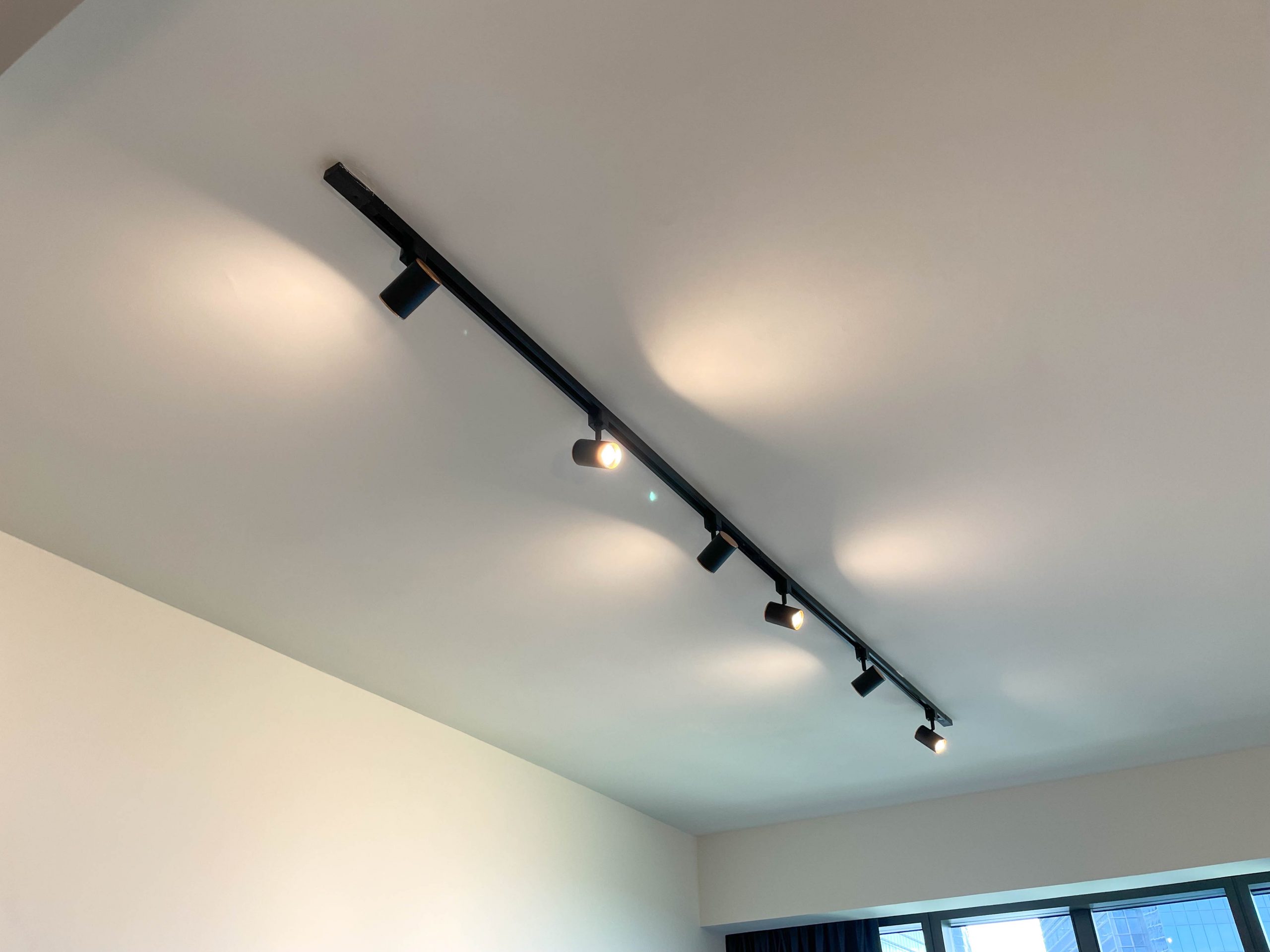
Installation details also matter indoors. A downlight may have weak clips, a track light may have poor adapter contact, a pendant light may have unclear suspension accessories, or an LED strip may use weak adhesive. When installers struggle on site, the buyer may face extra labor cost or project delays.
For large LED strip projects, specification and installation planning are especially important. Enton Light’s guide on how to select the right LED strip light for engineering projects covers voltage, wattage, driver load, IP rating, and installation planning.
How to avoid it: Match the IP rating, material, finish, cable, connector, mounting method, and accessories to the real installation environment. Ask for installation photos, manuals, packaging details, and sample accessories. For outdoor orders, confirm waterproof structure and do not rely only on a printed IP claim.
Risk 5: Hidden Total Cost After Arrival
The unit price is only one part of importing cost. A low-cost LED light may become expensive after freight, duties, taxes, local delivery, inspection, relabeling, replacement parts, damaged cartons, warranty claims, and lost customer trust are included.
Hidden total cost can come from several places:
- Poor packaging that causes damage during shipping.
- Wrong labels, barcodes, manuals, or model numbers.
- Inconsistent batch quality that prevents repeat sales.
- Delayed shipment that misses a project deadline.
- Products that require local rework before installation.
- After-sales claims that consume profit and team time.
For wholesale and private-label buyers, packaging and repeat consistency are not small details. They are part of the customer experience. Enton Light’s article on LED strip OEM/ODM manufacturing explains how product development, packaging, and supplier cooperation can help brands reduce total cost and accelerate growth.
How to avoid it: Compare total landed cost, not only unit price. Confirm packing method, carton strength, labeling, manuals, barcodes, shipping terms, inspection standard, and after-sales process before production. Start with samples or a controlled first order before scaling volume.
How to Build a Safer LED Lighting Import Process
Import risk can be reduced when buyers use a structured sourcing process. The process does not need to be complicated, but it must be clear enough that the supplier, buyer, and inspection team all understand the same requirements.
A safer process includes:
- Define the application, target market, and product specification before asking for price.
- Compare suppliers by technical communication, not only by quotation.
- Request samples and test them before bulk production.
- Confirm certificates, labels, packaging, and documentation for the destination market.
- Use written specification sheets for wattage, CCT, CRI, beam angle, IP rating, finish, driver, and accessories.
- Agree on quality checks, packaging inspection, and shipment details before production.
- Keep records of samples, photos, batch information, and supplier confirmations.
Buyers who want a broader step-by-step sourcing view can read Enton LED’s complete guide to sourcing commercial LED lighting directly from China manufacturers.
Why Supplier Selection Matters More Than the Lowest Price
A reliable supplier helps buyers reduce risk before problems happen. The supplier should understand the application, explain specifications clearly, support samples, coordinate packaging, control production quality, and communicate honestly when something changes. This matters whether the buyer is sourcing indoor lights, outdoor lights, solar lights, or project lighting products.
Enton LED supports global buyers with a broad commercial lighting range, factory-side coordination, product communication, packaging awareness, and practical inspection support. Buyers can explore the full range on the All Products page or learn more about the company through Enton Light’s About page.
Low-cost LED lights are not automatically bad. The real question is whether the cost reduction is controlled and transparent. When buyers combine clear specifications, reliable samples, verified documentation, quality inspection, and the right supplier relationship, importing LED lighting can remain competitive without exposing the business to unnecessary risk.