
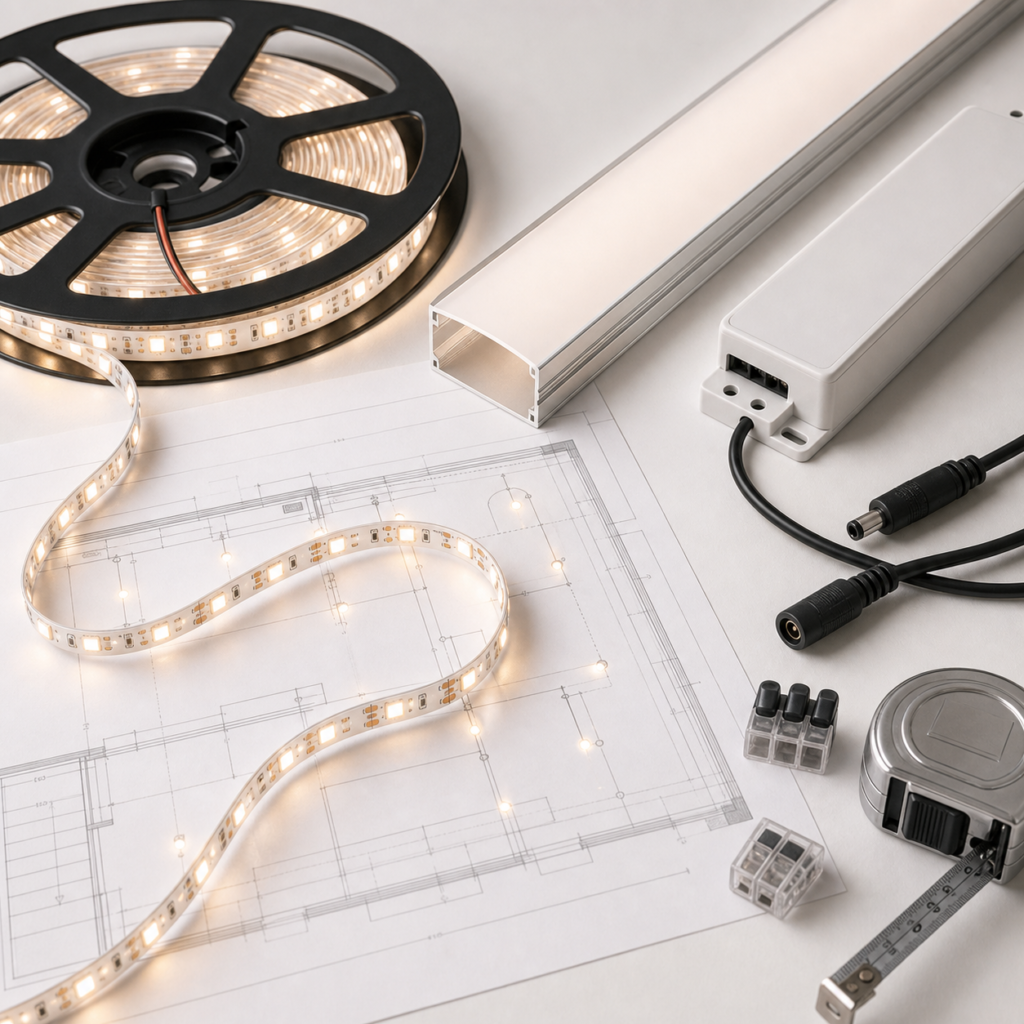
In the LED lighting market, many products can look similar at first glance. Buyers see the same wattage, the same color temperature, the same white or black finish, and the same general fixture shape. For lighting brands, distributors, and project suppliers, this creates a difficult question: how can your product line stand out without making development too slow or too expensive?
The answer is often custom design modifications. A lighting brand does not always need to develop a completely new product from zero. Small but meaningful changes in appearance, optics, mounting structure, accessories, packaging, driver options, or product family planning can create a stronger market position. When done correctly, customization can improve brand identity, installation convenience, project fit, and customer loyalty.
This article explains how custom design modifications can give your lighting brand a competitive edge, and how working with the right LED lighting manufacturer can make the process more practical. For a broader manufacturing perspective, Enton Light’s article on LED strip OEM/ODM manufacturing explains how supplier cooperation can reduce development cost and accelerate product growth.
What Counts as a Custom Design Modification?
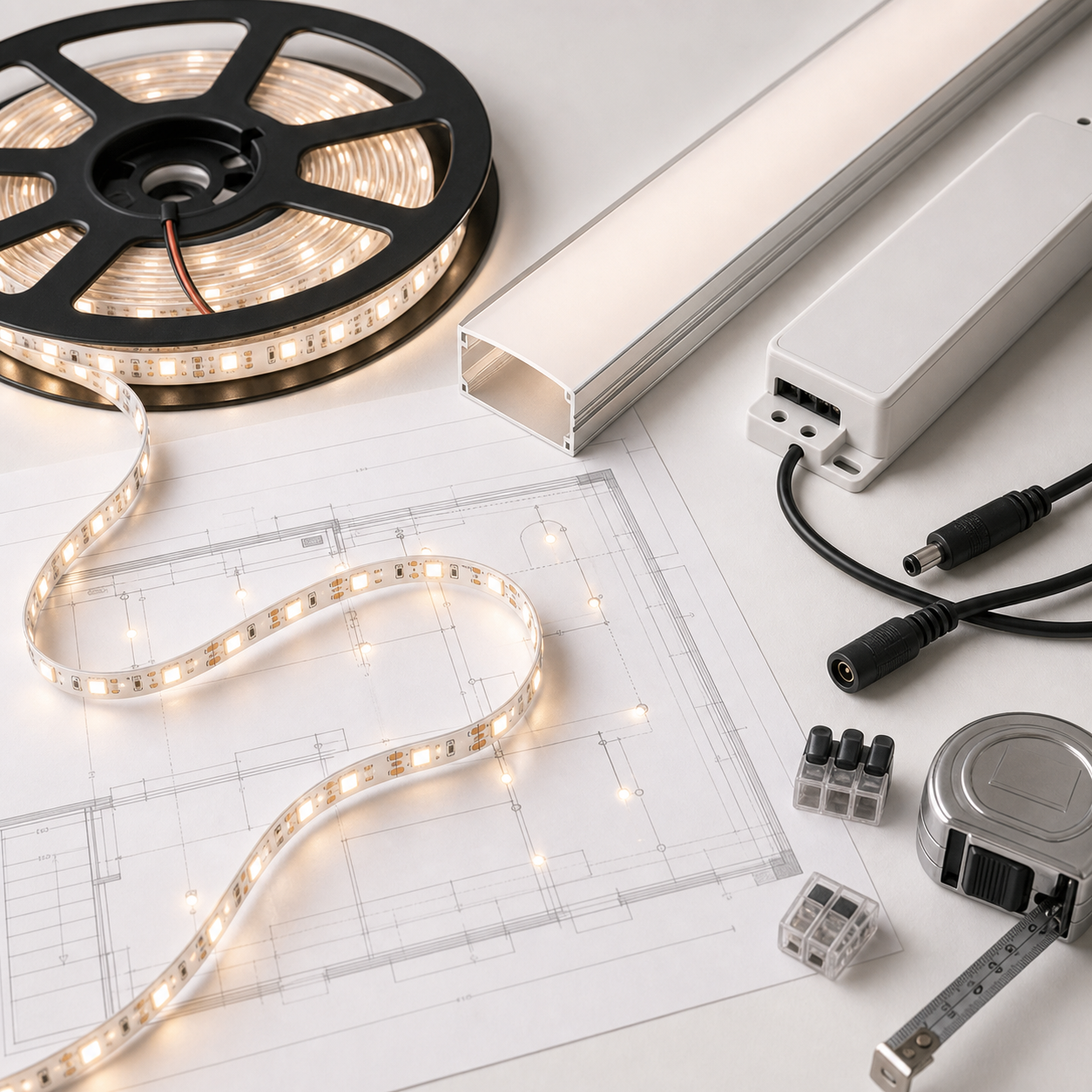
Custom design modification does not always mean creating a new mold or an entirely new fixture. In many B2B lighting projects, useful customization starts with practical changes that match a buyer’s brand, channel, or project requirement.
Common design modifications include:
- Changing housing color, finish, texture, or trim style.
- Adjusting size, mounting structure, clips, brackets, or suspension accessories.
- Changing beam angle, diffuser, lens, glare control, or light distribution.
- Offering different CCT, CRI, wattage, dimming, or driver options.
- Adding project-specific cable length, connector type, or installation kit.
- Creating private-label packaging, manuals, model numbers, and barcode systems.
- Building a consistent product family across indoor, outdoor, and decorative lighting.
The best modifications are not random. They solve a real market problem or create a clearer brand advantage.
1. Customization Helps Your Brand Avoid Price-Only Competition
If your lighting product looks identical to every other supplier’s model, customers will compare mainly by price. That can push the brand into low-margin competition. Custom design modifications help create product differences that customers can see, understand, and value.
For example, a distributor may customize a track light series with a cleaner housing design, a more premium finish, better glare control, and consistent packaging across several wattages. A hotel supplier may adjust pendant light finishes to match interior design trends. A project brand may create a standard mounting kit that makes installation easier for electricians.
Product appearance can also be part of brand value. The World Intellectual Property Organization’s overview of industrial designs is a useful reference for understanding why the visual design of a product can matter commercially.
These changes do not only make the product look different. They help the buyer explain why the product is worth choosing.
2. Design Modifications Can Improve Project Fit
Commercial lighting is application-driven. A retail store, hotel corridor, office meeting room, exterior wall, and residential project may need different fixture details. A standard product may work in general, but a modified version can fit the project better.
Project-focused modifications may include a different beam angle for higher ceilings, a warmer CCT for hospitality spaces, a higher CRI for retail display, a longer cable for pendant installation, or a more durable surface treatment for outdoor use. For retail, hospitality, and office environments, Enton Light’s guide on high CRI lighting explains why color quality can affect product appearance, material texture, and customer perception.
Good customization starts with the application. The manufacturer should ask where the product will be used before suggesting changes.
3. Better Installation Details Can Become a Selling Point
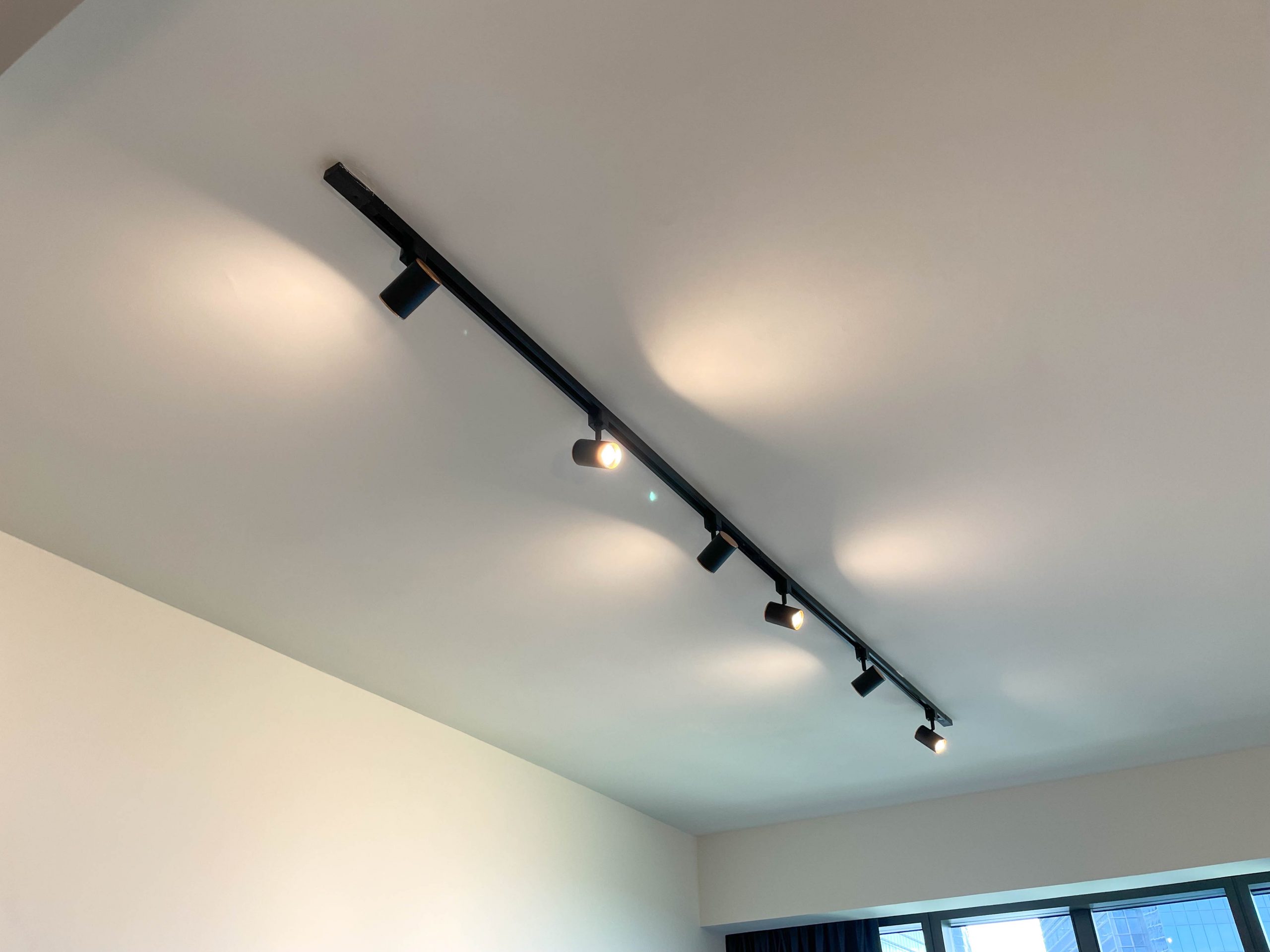
Many lighting brands focus on appearance but forget installation. Installers care about clips, brackets, cable length, connectors, driver placement, mounting holes, suspension kits, and access for maintenance. A product that is easier to install can become more valuable in project channels.
Custom installation details can reduce labor time, prevent site errors, and improve repeat purchases. For example, a recessed downlight may use stronger spring clips, a track light may use a more stable adapter, an LED strip system may include better connectors, or an outdoor wall light may include clearer mounting hardware.
For large-scale LED strip projects, installation planning is especially important. Enton Light’s article on how to select LED strip lights for engineering projects covers voltage, wattage, driver load, IP rating, and installation planning.
4. Product Family Design Makes the Brand Easier to Sell
One customized product can help, but a customized product family is stronger. A brand may create a consistent design language across downlights, track lights, pendant lights, wall lights, and outdoor fixtures. This helps distributors, showrooms, and project buyers understand the brand more clearly.
Product family design can include shared finish names, consistent model numbering, similar packaging layouts, matching trim styles, and a clear specification hierarchy. Buyers can then build a catalog that feels organized instead of random.
Enton LED supports a broad range of indoor lights, outdoor lights, and solar lights, which gives buyers room to think about product families rather than single SKUs.
5. Private Label Packaging Completes the Custom Experience
Design modification should not stop at the fixture. Packaging is part of the product experience, especially for wholesalers, retail brands, e-commerce sellers, and distributors. A customized product in generic packaging can feel unfinished. A standard product with professional private-label packaging can feel much more complete.
Private-label packaging can include brand colors, product photos, specification tables, barcodes, manuals, installation warnings, carton marks, and product family design. It also helps warehouses and installers identify SKUs quickly.
For buyers building private-label lighting lines, Enton Light’s private label packaging checklist for LED products explains how box artwork, labels, barcodes, compliance marks, manuals, protection, samples, and final inspection should be handled.
6. Customization Should Be Controlled by Real Specifications
Customization can create problems if it is managed only through casual chat messages. Every design change should be linked to a specification. If the housing finish changes, the buyer should confirm the finish standard. If the driver changes, electrical and dimming details should be reviewed. If packaging changes, barcode, label, and carton information should be approved.
A good custom modification process should include:
- Target market and application definition.
- Product specification sheet.
- Design drawing, photo reference, or sample requirement.
- Bill of materials or key component confirmation when needed.
- Sample approval before mass production.
- Packaging artwork approval.
- Inspection checklist and repeat order record.
The official ISO 9000 family of quality management standards is a useful reference for thinking about consistent processes, customer requirements, and continual improvement. In custom lighting, process control is what keeps creativity from turning into confusion.
7. Safety and Compliance Must Be Reviewed After Changes
Not every design change is only cosmetic. Some changes may affect electrical safety, heat dissipation, EMC performance, waterproofing, dimming behavior, or certification documentation. A new driver, new cable, new controller, new housing structure, or new waterproof method may require technical review.
For North American lighting safety, UL Solutions lighting safety testing and certification is a useful reference. For Europe-focused buyers, Enton LED’s article on how LED lighting manufacturers can support the European CE process explains why tested samples, labels, documentation, and production consistency should stay aligned.
Buyer tip: Ask the manufacturer which modifications are cosmetic and which may affect testing, documentation, or production risk.
8. Custom Design Can Support Better Margins
Brands often think customization increases cost. Sometimes it does, especially when tooling, special materials, or testing are needed. But smart customization can also improve margin because the product becomes harder to compare directly with generic alternatives.
A better finish, stronger packaging, improved installation kit, clearer product family, or market-specific specification can help the brand sell on value instead of only price. This is especially useful for distributors and private-label brands that need to protect channel margin.
Customization should be evaluated by total value, not only unit cost. Enton LED’s article on hidden risks of importing low-cost LED lights explains why the cheapest option can become expensive when quality, packaging, compliance, and after-sales risk are included.
9. The Right Manufacturer Makes Customization Practical
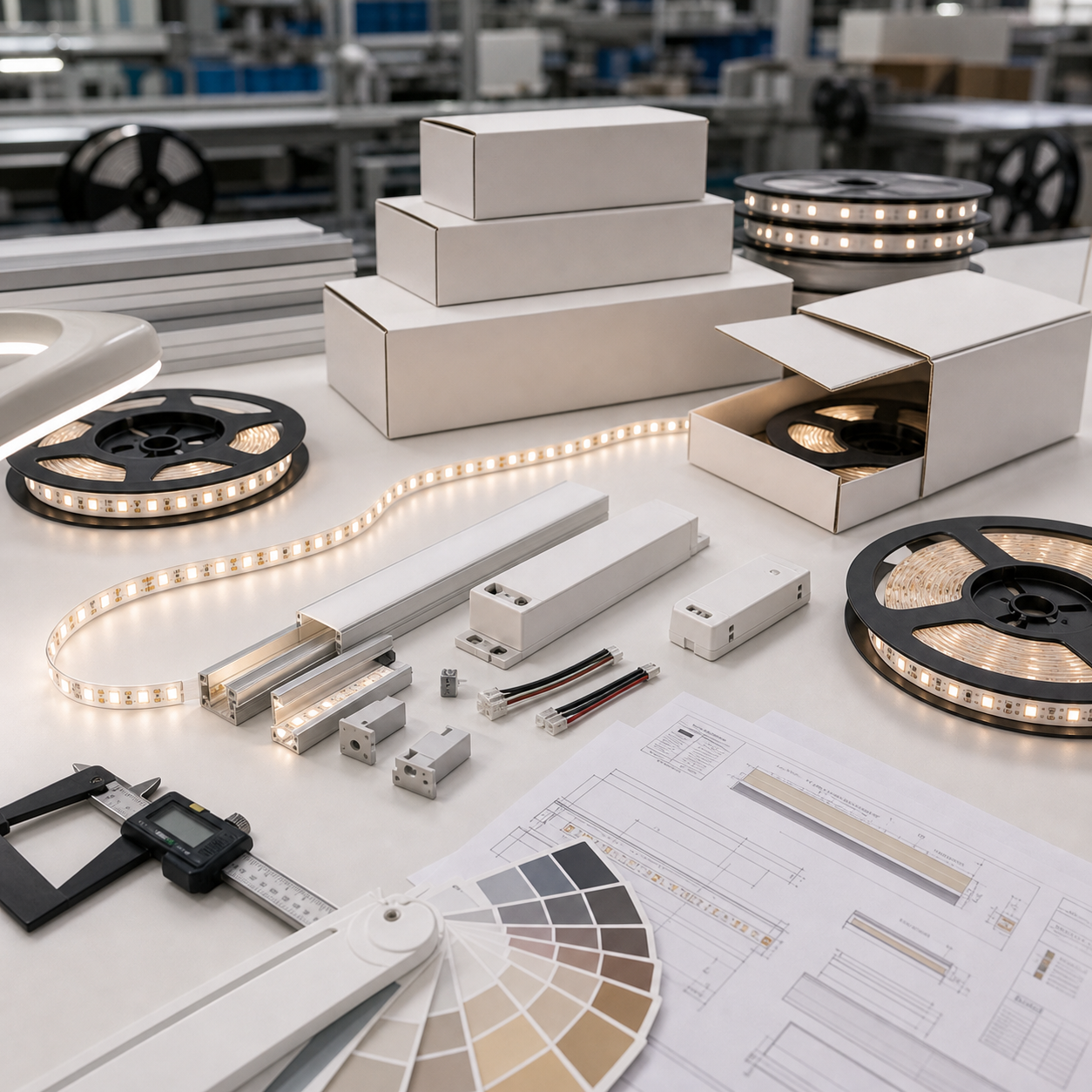
Custom design modifications require a supplier that can communicate clearly, make realistic suggestions, prepare samples, control production, and keep records. A supplier that only says “yes” to every idea without discussing cost, tooling, lead time, or testing risk may create problems later.
A practical manufacturer should help buyers answer:
- Which design changes are easy, medium, or difficult?
- Which changes require new tooling or testing?
- How will the sample be approved?
- How will packaging and labels be updated?
- How will the modified version be controlled in repeat orders?
- How will the change affect lead time and shipping?
Enton LED’s article on lead times and shipping for bulk LED orders can help buyers plan timing when custom changes affect samples, packaging, inspection, or shipment.
10. Customization Works Best as a Long-Term Brand Strategy
The strongest lighting brands do not customize randomly. They use customization to build a long-term identity. That may mean a consistent product family, stronger packaging, better installation experience, market-specific certifications, or lighting performance that matches a target segment.
Over time, these decisions create brand memory. Customers remember products that are easier to install, easier to reorder, better packaged, and more suitable for their market. That memory is a real competitive edge.
For buyers building a larger supply strategy, Enton LED’s article on how a one-stop lighting manufacturer saves time and money explains how coordinated product development, packaging, quality control, and repeat orders can reduce sourcing friction.
How Enton LED Supports Custom Lighting Design Modifications
Enton LED supports global buyers with indoor lights, outdoor lights, solar lights, OEM/ODM cooperation, private-label packaging awareness, product communication, factory-side coordination, and inspection support. Buyers can explore related categories through the All Products page.
For lighting brands that want to move beyond generic products, Enton LED can help discuss application requirements, product family planning, sample development, packaging details, and repeat order control. The goal is not to customize everything. The goal is to customize the details that create real value for the target market.
If your lighting brand is competing mainly on price, custom design modifications may help you build a stronger position. Start with the customer problem, define the specification clearly, work with a practical manufacturer, and turn useful design changes into a repeatable product advantage.