
Luxury hotel lighting is not only about brightness. It shapes the first impression in the lobby, the calm feeling inside guest rooms, the comfort of corridors, the atmosphere of restaurants, and the perceived quality of materials such as stone, wood, fabric, metal, and artwork. In these spaces, recessed downlights are often one of the most important fixture types because they provide clean ceiling integration, controlled light distribution, and flexible support for layered lighting design.
This guide explains how to choose the right recessed downlights for luxury hotel projects. It is written for hotel developers, interior designers, contractors, procurement teams, and lighting distributors who need reliable LED downlights for premium commercial environments. For broader commercial sourcing strategy, Enton LED’s article on lead times and shipping for bulk LED orders can also help buyers plan project schedules more realistically.
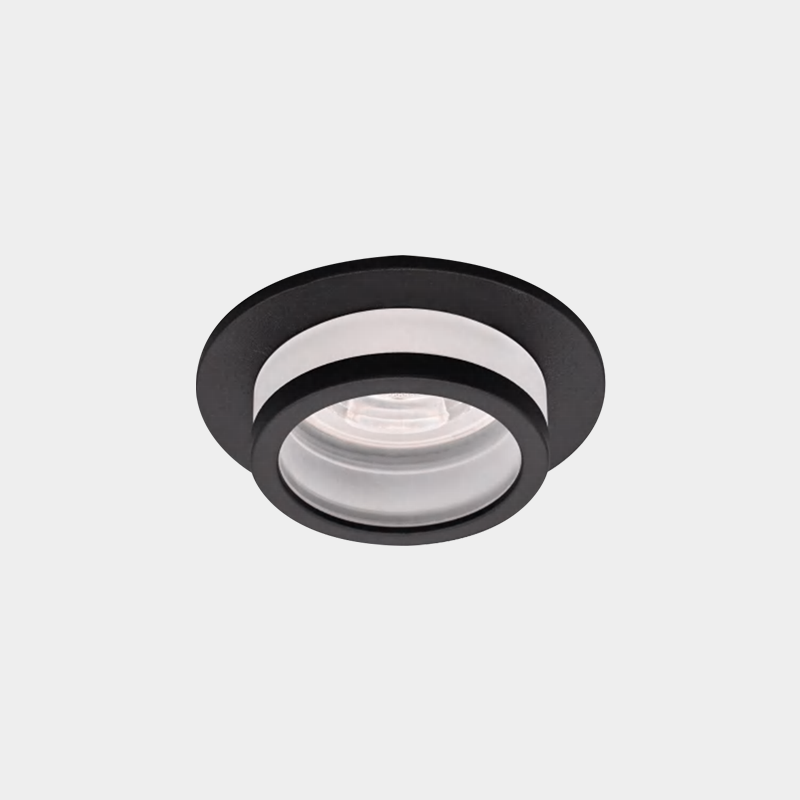
Why Recessed Downlights Matter in Luxury Hotels
Recessed downlights are valued in hotel projects because they keep the ceiling clean while delivering functional and accent lighting. Unlike decorative pendants or wall lights, recessed downlights often disappear into the architecture. When selected well, they support the space without drawing too much attention to themselves.
In luxury hotels, recessed downlights may be used in:
- Lobbies and reception areas.
- Guest rooms and suites.
- Corridors and elevator halls.
- Restaurants, bars, and lounges.
- Bathrooms, spas, and wellness areas.
- Ballrooms, meeting rooms, and VIP spaces.
- Back-of-house zones where comfort and reliability still matter.
The same project may require several downlight types. A lobby may need deeper anti-glare fixtures, a guest room may need warm dimming or soft beam control, and a bathroom may require moisture-aware product selection. Buyers can review Enton LED’s recessed downlight category for related product options.
1. Prioritize Visual Comfort and Glare Control
Luxury spaces should feel comfortable, not harsh. A downlight with too much glare can make a hotel lobby feel commercial in the wrong way, make corridors uncomfortable, or create eye strain in guest rooms. Visual comfort is one of the first criteria buyers should check.
Glare control can be improved through deeper recessed optics, baffles, reflectors, lenses, beam angle selection, trim design, and fixture placement. The right choice depends on ceiling height, viewing angle, room function, and interior finish.
Buyer tip: Do not choose only by wattage. Ask for beam angle, optical structure, trim depth, reflector finish, and sample photos in a realistic ceiling environment.
2. Choose CCT Based on Hotel Atmosphere
Color temperature strongly affects how a hotel feels. Warm white lighting is common in luxury hospitality because it creates comfort, softness, and a premium atmosphere. However, different hotel zones may need different CCT choices.
Common CCT planning may include:
- 2700K or 3000K for guest rooms, lounges, restaurants, and warm hospitality spaces.
- 3000K for lobbies, corridors, and general hotel interiors.
- 3500K or 4000K for back-of-house, meeting rooms, or functional work areas when needed.
The best choice depends on the brand concept, interior materials, daylight conditions, and local guest expectations. A luxury resort may use warmer tones than a modern business hotel.
3. Use High CRI for Premium Materials and Skin Tones
Luxury hotels use materials that depend on good color rendering: marble, wood, leather, fabric, artwork, food, flowers, metal finishes, and skin tones. A low-CRI downlight may be bright enough but still make the space feel flat or cheap.
High CRI downlights help finishes look more natural and premium. For hotels, restaurants, spas, and retail-style hotel boutiques, CRI 90+ is often worth considering where color appearance matters. Enton Light’s guide on high CRI lighting in retail, hospitality, and office environments explains why color quality can affect customer perception and material appearance.
ENERGY STAR downlight criteria also treat color quality and performance as important product factors. For hotel projects, buyers should compare CRI, CCT consistency, lumen output, and dimming behavior before approval.
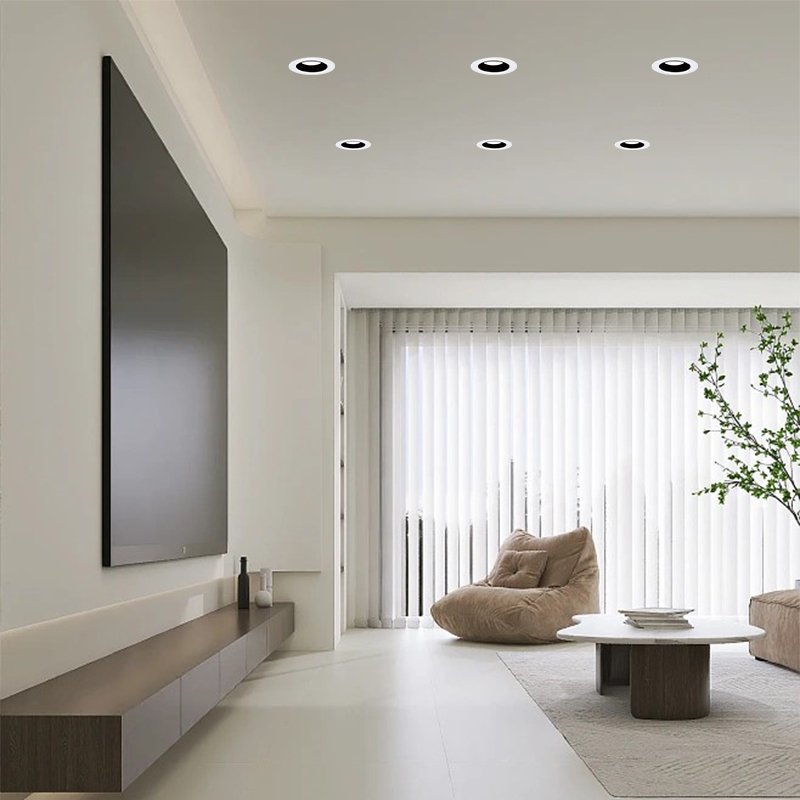
4. Match Beam Angle to Ceiling Height and Function
Beam angle affects how light spreads across the room. A narrow beam can create dramatic accents but may cause uneven lighting if used incorrectly. A wide beam can provide soft general illumination but may reduce visual focus. Luxury hotel projects often need a combination of beam angles for layered lighting.
For example, narrow or medium beams may be useful for artwork, reception desks, decorative walls, or feature furniture. Wider beams may be better for corridors, guest rooms, bathrooms, and general ambient lighting. Ceiling height is critical: a beam that works in a 2.8-meter guest room may not work in a tall lobby.
Buyer tip: Request photometric data or at least sample testing when beam performance is important. For high-end projects, mockups can prevent costly changes after ceiling installation.
5. Confirm Dimming and Control Compatibility
Luxury hotel lighting often uses scenes: check-in mode, evening lounge mode, restaurant dining mode, cleaning mode, corridor night mode, and guest room comfort mode. Recessed downlights must work well with dimming and control systems if the hotel design depends on lighting scenes.
The U.S. Department of Energy lighting controls overview explains common control methods such as dimmers, sensors, timers, and photosensors. For hotels, the key point is compatibility. A premium fixture that flickers, buzzes, or shifts color badly during dimming can damage the guest experience.
Buyers should confirm:
- Dimming protocol or driver type.
- Minimum dimming level.
- Flicker performance expectations.
- Compatibility with the selected control system.
- Whether emergency or sensor functions are required.
6. Select the Right Trim, Finish, and Ceiling Detail
In luxury hotel interiors, the ceiling detail matters. Downlight trim color, flange size, reflector finish, and installation style can affect the whole ceiling appearance. White trim may blend into plaster ceilings, black trim may reduce visible glare, and special finishes may support a warmer interior design.
Some projects may prefer trimless or low-profile designs, while others need standard trim for easier maintenance. The right choice depends on ceiling type, installation skill, maintenance access, and design intent.
For brands or project buyers, custom finish and trim modifications can also support differentiation. Enton LED’s article on custom design modifications for lighting brands explains how product appearance, installation details, and packaging can become competitive advantages.
7. Check Bathroom, Spa, and Wet-Area Requirements
Hotel bathrooms, spas, pool changing rooms, and wellness areas may need different downlight requirements from dry guest rooms. Moisture, steam, cleaning chemicals, and local electrical rules can affect product selection.
Buyers should confirm whether the downlight is suitable for the intended area and whether a specific IP rating, ceiling zone requirement, or local code requirement applies. For any regulated installation, the project team should check local building and electrical rules before final approval.
Buyer tip: Do not use the same guest-room downlight in every hotel zone without checking the environment. Wet-area lighting needs more careful review.
8. Plan Maintenance and Replacement Access
Luxury hotels operate continuously. Maintenance teams need lighting products that can be serviced without damaging ceilings or disturbing guests more than necessary. A downlight that looks beautiful but is difficult to replace may create long-term operating cost.
Buyers should ask about driver access, replacement method, clip strength, spare parts, model continuity, and batch consistency. For large hotel projects, keeping records of model numbers, CCT, beam angle, driver type, and installation location can make maintenance much easier later.
Lead time also matters. Enton LED’s article on lead times and shipping for bulk LED orders explains why buyers should plan samples, production, inspection, and shipping before installation deadlines.
9. Compare Total Project Value, Not Only Unit Price
A luxury hotel project should not choose downlights by unit price alone. A cheaper fixture can become expensive if it causes glare, color mismatch, dimming problems, early failure, installation delays, or guest complaints.
Better downlight selection can reduce total project risk through:
- More comfortable guest experience.
- Better material and artwork presentation.
- Lower installation rework.
- Better dimming and control performance.
- More stable repeat orders and spare parts.
- Lower after-sales pressure.
Enton LED’s article on hidden risks of importing low-cost LED lights explains why the cheapest option may not be the lowest-cost option for professional buyers.
10. Work with a Manufacturer That Understands Hotel Projects
A strong downlight supplier should do more than send a price list. For hotel projects, the manufacturer should help buyers discuss application zones, CCT, CRI, beam angle, dimming, trim detail, packaging, samples, inspection, and repeat order control.
Buyers should ask suppliers:
- Can you recommend downlight options for different hotel areas?
- Can you provide samples for mockup review?
- Can you support high CRI and consistent CCT?
- Can you confirm dimming and driver options?
- Can you support private-label packaging or project labels?
- Can you keep repeat orders consistent for maintenance and expansion?
For complete project sourcing, Enton LED’s article on how a one-stop lighting manufacturer saves time and money explains how coordinated product selection, packaging, quality control, and repeat orders can simplify the supply chain.
How Enton LED Supports Recessed Downlight Projects
Enton LED supplies recessed downlights and broader indoor lighting solutions for commercial and hospitality projects. Buyers can review related options on the recessed downlight category and explore additional products through the All Products page.
For luxury hotel projects, Enton LED can help buyers discuss downlight type, optical comfort, CCT, CRI, beam angle, trim detail, sample approval, packaging, and bulk order planning. The goal is to select fixtures that support the hotel’s design intent while remaining practical for installation, maintenance, and repeat purchasing.
If you are choosing recessed downlights for a hotel, start with the guest experience first. Then match the technical specification, optical design, dimming, installation detail, and supplier support to that experience. That is how recessed downlights become part of a luxury lighting strategy instead of just another ceiling fixture.