
Commercial step lights do more than decorate stairs and pathways. In hotels, resorts, shopping centers, office campuses, apartment developments, public corridors, outdoor terraces, and hospitality landscapes, they help people understand level changes, move safely after dark, and experience the architecture with comfort. A good step light design can make a pathway feel secure and refined without turning it into a harshly lit corridor.
For professional buyers and project contractors, step lights should be selected as part of a complete pathway lighting system. Fixture shape, beam direction, glare control, IP rating, color temperature, installation height, power supply, wiring method, and long-term maintenance all affect the final result. The best commercial step light is not simply the brightest product. It is the fixture that provides enough visual guidance while staying comfortable, durable, and consistent with the project’s design language.
Why Step Lights Matter in Commercial Pathway Design
Pathways are one of the most important parts of a commercial lighting plan because they shape how people move through a property. Guests, tenants, staff, and visitors may use the same route under different conditions: evening arrival, rainy weather, event traffic, late-night access, or emergency maintenance. Step lights provide low-level orientation that helps people recognize stairs, edges, risers, ramps, landings, and circulation changes.
In commercial spaces, visual comfort is as important as visibility. A pathway that is bright but glaring can feel unpleasant and unsafe. A pathway that is decorative but too dim can create hesitation. Step lights sit close to the walking surface, so they must be designed carefully. They should illuminate the tread or pathway zone, not shine into the eyes of pedestrians.
This balance aligns with the broader principle of responsible outdoor lighting: light should be useful, targeted, low enough in brightness, controlled, and warm where appropriate. The DarkSky and IES Five Principles for Responsible Outdoor Lighting provide a useful framework for avoiding wasteful or uncomfortable exterior lighting.
Safety First: What Step Lights Need to Reveal
Commercial step lights should reveal the parts of a pathway where people need visual information. These include stair nosings, risers, landings, handrail zones, changes in direction, pathway edges, low walls, planter boundaries, deck transitions, outdoor seating steps, and corridor thresholds. The goal is not to flood the entire area. The goal is to make changes in level and direction easy to read.
For stairs, the light should help users see where each step begins and ends. For ramps and sloped pathways, step lights or low wall lights can help define the edge. For hospitality terraces, they can add soft guidance without competing with decorative pendants, wall lights, or landscape accents. For public commercial properties, they help reduce confusion in transitional areas where the user moves between indoor and outdoor lighting levels.
Project teams should always check local building, accessibility, and emergency egress requirements. This article is a product and design guide, not a code substitute. In practice, step lights often work together with overhead lighting, handrail lighting, bollards, wall lights, signage, and emergency systems.
Aesthetic Value: Low-Level Light Creates Atmosphere
Step lights are popular in commercial design because they create a refined low-level glow. Instead of lighting every surface from above, designers can bring light closer to the walking plane. This creates depth and shadow, highlights material textures, and makes outdoor spaces feel more intimate.
In hotels and resorts, step lights can make terraces, garden paths, villa entrances, and poolside stairs feel premium. In office campuses, they can provide a calm and professional arrival sequence. In retail centers, they can guide visitors through plazas and transitional steps without overwhelming storefront lighting. In apartments and mixed-use developments, they can improve the nighttime experience in shared exterior spaces.
Good aesthetic design usually depends on restraint. If every step light is too bright, the result can look dotted and distracting. If the spacing is inconsistent, the pathway can feel unfinished. If the color temperature changes from one zone to another, the project loses visual unity. Step lights should support the architecture rather than draw attention to themselves.
Fixture Types for Commercial Step Lighting
Recessed Wall Step Lights
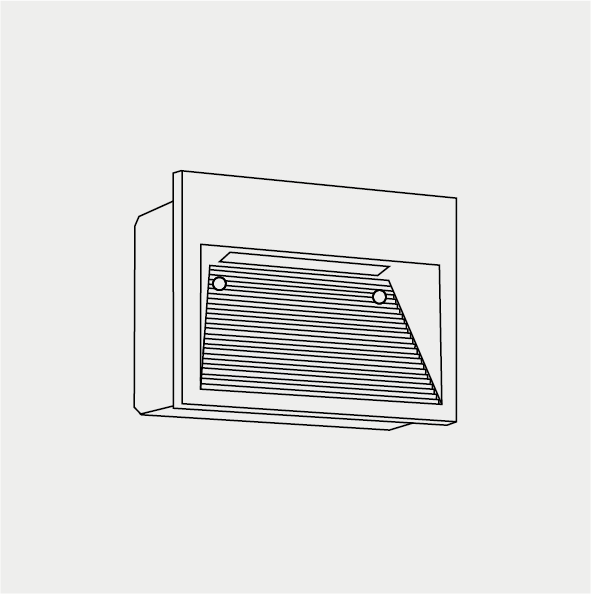
Recessed wall step lights are mounted into low walls, stair side walls, or vertical surfaces near the walking plane. They are commonly used in hotels, apartments, outdoor corridors, commercial terraces, and public stairs. The advantage is a clean architectural appearance and controlled light direction. The challenge is coordination with wall construction, cut-out dimensions, waterproofing, and maintenance access.
Surface-Mounted Step Lights
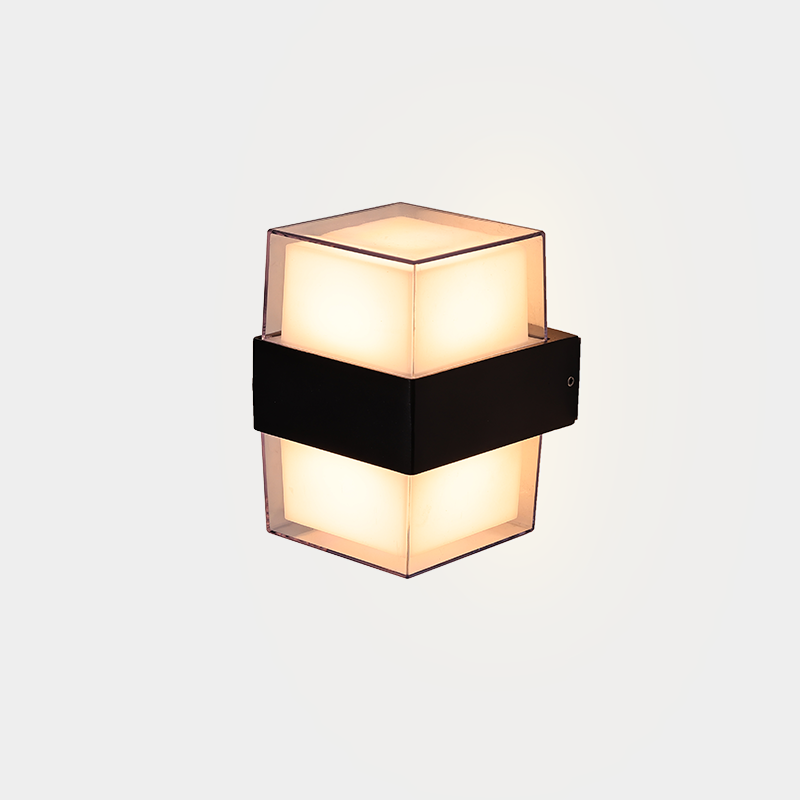
Surface-mounted step lights are easier to install in renovation projects or locations where recessing is not practical. They can work well on existing walls, columns, and pathway boundaries. For premium projects, the fixture profile, finish, screw visibility, and glare shield should be reviewed carefully so the installation looks intentional.
Solar Step or Wall Lights
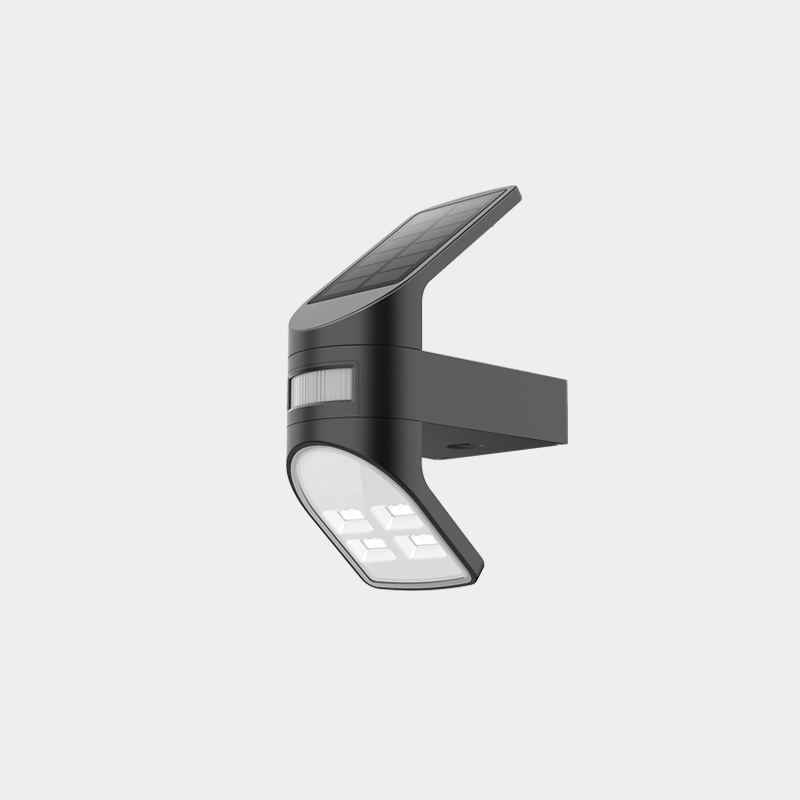
Solar step-style wall lights can be useful in areas where wiring is difficult, temporary lighting is needed, or the lighting zone is secondary. They are often used for gardens, villa paths, outdoor walls, and low-traffic exterior areas. However, solar output depends on sunlight exposure, battery capacity, weather, and operating schedule. For critical commercial pathways, wired step lights usually provide more predictable performance and control.
Enton LED offers related options across Step Light, Outdoor Wall Light, and Solar Wall Light product categories.
Glare Control: The Most Important Comfort Detail
Because step lights are close to the eye line of people walking up or down stairs, glare control is critical. A small fixture can still feel uncomfortable if the LED source is directly visible. For commercial projects, ask for optical control rather than only lumen output. Useful features include recessed LEDs, louvers, shields, frosted diffusers, asymmetric light distribution, and downward-facing apertures.
Fixture placement also affects glare. A step light should usually aim across the tread or pathway, not directly outward into approaching pedestrians. On stairs, the designer should consider both upward and downward travel. A fixture that feels comfortable when walking down may be glaring when walking up if the angle is wrong.
Mockups are valuable. Test a sample on the actual wall height, stair width, surface color, and viewing direction. Check the scene from standing height, seated areas nearby, and adjacent windows. In hospitality and residential commercial spaces, a low-output, well-shielded step light often looks more expensive than a brighter unshielded fixture.
Brightness, Beam Direction, and Spacing
Step lighting should be planned by effect, not by wattage alone. The required output depends on step width, wall height, surface reflectance, ambient lighting, and whether the path is interior, semi-outdoor, or fully exposed. Dark stone, dark wood, and textured concrete absorb more light than pale tile or painted surfaces.
For stairs, fixtures are often placed at repeated intervals so the rhythm of light matches the rhythm of the steps. For long pathways, step lights may be placed at corners, transitions, landings, and critical edge points rather than continuously along every meter. In commercial projects, uniformity should be balanced with atmosphere. Too much repetition can look busy; too little can leave dark gaps.
If the pathway is also lit by overhead fixtures, bollards, or landscape lights, step light output can be lower. If step lights are the primary guide source, the design may need more consistent spacing and stronger optical control. Energy-efficient exterior lighting also benefits from controls and appropriate schedules, as noted in the U.S. Department of Energy’s guidance on purchasing energy-efficient exterior lighting.
Color Temperature and Material Atmosphere
Warm white is commonly preferred for commercial step lights in hospitality, residential, and landscape environments. A range around 2700K to 3000K often feels comfortable and works well with wood, stone, planting, warm metal finishes, and exterior architectural materials. Neutral white may be used in office campuses, service corridors, public routes, and modern commercial buildings where a cleaner appearance is desired.
Color consistency is important. If pathway step lights are 3000K, wall lights are 4000K, and bollards are 2700K, the project can feel visually fragmented. Buyers should confirm CCT tolerance, sample approval, and batch consistency. For projects with several outdoor fixture families, ask the supplier to match step lights, wall lights, bollards, and landscape accents as closely as practical.
CRI is not always the first metric for step lighting, but better color rendering can improve the appearance of premium materials. This matters in hotels, resorts, retail environments, and high-end residential developments where lighting quality contributes to perceived value.
IP Rating and Outdoor Durability
Outdoor step lights face rain, dust, cleaning water, humidity, UV exposure, insects, and sometimes irrigation spray. The IEC IP rating system explains how ingress protection ratings describe resistance to solids and water under defined test conditions. For outdoor step lights, IP65 is a common practical baseline in exposed areas, but the correct rating depends on location.
A covered hotel corridor may not need the same protection as a fully exposed landscape stair. A poolside step light faces different risks than a stair inside a semi-enclosed commercial entrance. In wet or exposed locations, buyers should review cable entry, gasket quality, connector protection, driver location, and wall sealing. The fixture IP rating does not protect a poorly sealed junction box.
For a deeper explanation, see our complete guide to IP ratings for outdoor lighting. If the step lights are part of a low voltage exterior system, our article on low voltage yard lights in engineering projects is also relevant.
Low Voltage and Driver Planning
Many commercial step light systems use low voltage power, commonly 12V or 24V, especially in outdoor pathways and landscape zones. Low voltage systems can make fixture grouping, dimming, and maintenance more flexible. However, the system still needs proper engineering. Designers should calculate total wattage, cable length, voltage drop, driver capacity, dimming method, and service access.
Drivers should be installed in locations that maintenance teams can reach. Cables should be labeled by zone. Spare fixtures should match the original finish, CCT, output, beam pattern, and connector type. If the project uses long runs, 24V may help reduce voltage drop compared with 12V, depending on the layout and load.
For outdoor installations, the driver and connector are often as important as the luminaire. Our guide on choosing outdoor waterproof LED drivers explains how harsh environments affect power supply selection.
Installation Coordination in Commercial Projects
Step lights often require close coordination between lighting suppliers, electrical contractors, civil teams, wall contractors, landscape designers, and architects. Recessed models need cut-out dimensions, mounting depth, cable entry direction, waterproofing details, and finishing tolerances confirmed before construction. Surface-mounted models still need careful alignment and cable management.
For stairs and pathways, the final mounting height should be tested against the actual tread width and wall finish. A design that looks good in a drawing may create glare or uneven light after installation. If the project uses stone cladding, tile, timber, or textured concrete, mockups should be completed before mass installation.
In renovation projects, surface-mounted or solar-supported fixtures may reduce installation complexity. In new builds, recessed fixtures can provide a cleaner appearance if they are coordinated early enough. Late selection is one of the main reasons step lighting becomes messy or inconsistent.
Common Mistakes to Avoid
The first mistake is choosing step lights by appearance only. A beautiful fixture can still fail if the beam is harsh, the IP rating is wrong, or the installation depth does not match the wall. The second mistake is over-lighting. Pathway safety does not require every surface to be bright. It requires the important edges and level changes to be readable.
The third mistake is ignoring glare. Direct LED visibility can make stairs uncomfortable and reduce the perceived quality of the project. The fourth mistake is mixing too many color temperatures. The fifth mistake is forgetting maintenance. If a fixture is hard to access, has no spare parts, or uses inconsistent batches, the pathway will become difficult to keep uniform over time.
Procurement teams should also watch for weak supplier documentation, unclear IP claims, missing installation instructions, and inconsistent product photos. Our article on red flags when choosing a commercial lighting supplier can help buyers reduce risk before ordering.
Procurement Checklist for Commercial Step Lights
- Confirm application: indoor, covered outdoor, exposed outdoor, poolside, corridor, stair, terrace, or landscape path.
- Specify fixture type: recessed, surface-mounted, solar, low voltage, or integrated wall light.
- Review output, beam direction, glare control, diffuser type, and shielding.
- Confirm CCT, CRI, finish, size, cut-out dimensions, mounting depth, and visible screw details.
- Check IP rating, cable entry, connector sealing, driver location, and junction box protection.
- Calculate load, voltage drop, dimming method, control zones, and maintenance access.
- Request samples for night mockups before bulk ordering.
- Confirm packaging, lead time, spare parts, warranty, and replacement consistency.
For commercial projects with many repeated fixtures, lead time and batch consistency matter. Our guide on lead times and shipping for bulk LED orders explains how buyers can avoid schedule risk. If the project needs customized appearance, private label packaging, or matched fixture families, OEM/ODM manufacturing support can help create a more consistent product program.
How Enton LED Supports Commercial Step Lighting Projects
Enton LED supports professional buyers, contractors, lighting brands, and distributors with LED lighting products for commercial and outdoor projects. For pathway and step lighting, we can help buyers compare fixture types, color temperature, IP rating, finish, low voltage requirements, sample options, and related outdoor lighting families.
Buyers can start with Step Light, Step Light #ETO0823-S, Step Light #ETO0824-S, Outdoor Wall Light #ETO08289-2, and Solar Wall Light #ETS0412UP-PIR. For complete exterior pathways, related categories such as Bollard Light, Outdoor Wall Light, and Outdoor Lights may also be useful.
FAQ: Commercial Step Lights
What is the main purpose of commercial step lights?
The main purpose is to make level changes, pathway edges, stairs, landings, and transitions easier to read at night. In commercial design, step lights also create atmosphere and support the architectural style of the pathway.
What color temperature is best for step lights?
Warm white, often around 2700K to 3000K, is common in hotels, resorts, residential developments, and landscape pathways. Neutral white may be used in office campuses, service corridors, and modern commercial spaces. Consistency across fixture types is very important.
Are solar step lights suitable for commercial projects?
They can be suitable for secondary outdoor zones where wiring is difficult. For critical stairs, main commercial pathways, emergency-related routes, or premium guest areas, wired fixtures normally provide more reliable brightness, control, and maintenance consistency.
What IP rating should outdoor step lights have?
The correct IP rating depends on exposure. Covered areas may need less protection than fully exposed stairs or poolside locations. IP65 is often used as a practical baseline for exposed outdoor step lights, but cable sealing, driver protection, and installation quality must also be reviewed.
How can step lights avoid glare?
Choose shielded or recessed optics, avoid direct LED visibility, aim light toward the walking surface, use moderate output, and test samples from both upward and downward walking directions before final installation.
Conclusion
Commercial step lights help create pathways that are both safer and more aesthetically refined. They reveal stairs, edges, landings, and transitions while adding low-level atmosphere to hotels, resorts, office campuses, retail centers, apartments, and outdoor commercial spaces. The best designs use targeted light, controlled brightness, warm and consistent color, and careful fixture placement.
For buyers, the right step light is a complete engineering and design decision. Glare control, IP rating, driver planning, low voltage wiring, installation coordination, material finish, maintenance access, and supplier support all affect the final result. Enton LED can help professional buyers select step lights and related outdoor lighting products that match commercial pathway safety, aesthetics, and long-term project requirements.