Spike lights are one of the most flexible tools for creating dramatic landscape highlights in hotels and resorts. They can be installed close to trees, palms, sculptures, signage, garden walls, water features, and pathway edges, then aimed precisely to add depth, contrast, and nighttime identity. For hospitality projects, this matters because outdoor lighting is not only functional. It shapes the arrival experience, the perceived quality of the property, and the atmosphere guests remember after dark.
Unlike fixed in-ground luminaires, spike lights can often be repositioned during mockups and landscape adjustments. This makes them useful for hotels and resorts where plants grow, seasonal decorations change, and outdoor areas are refined after opening.
Why Spike Lights Work So Well for Hotels and Resorts
Hotels and resorts need outdoor spaces that feel safe, premium, and emotionally engaging. Guests move through driveways, entrances, gardens, pools, terraces, villa paths, and restaurant courtyards at night. If the landscape is under-lit, the property can feel unfinished. If it is over-lit, the space can feel harsh and commercial. Spike lights help designers create selective emphasis instead of uniform brightness.
The strongest advantage is flexibility. A spike light can be aimed at a palm trunk, moved slightly to avoid glare, adjusted after plants mature, or replaced with a different beam angle during a renovation. For properties with large gardens or phased development, this adaptability is valuable. It also supports the design principle that outdoor lighting should be targeted, controlled, and no brighter than necessary, as explained in the DarkSky and IES Five Principles for Responsible Outdoor Lighting.
Spike lights are also useful because they can be part of a broader outdoor system. A resort may combine spike lights with bollard lights for pathways, outdoor wall lights for facades, underground lights for architectural accents, and solar lights for difficult cable zones. The spike lights provide drama and focus, while other fixtures provide circulation, safety, and general orientation.
Start with the Guest Journey, Not the Fixture
The best hotel landscape lighting begins with the guest journey. Before choosing wattage or beam angle, map how guests arrive and move through the property. Key viewpoints usually include the driveway approach, porte-cochere, lobby entrance, garden walkways, pool edges, restaurant terraces, villa paths, event lawns, and photo spots. Spike lights should support these moments rather than randomly illuminate every plant.
For a luxury resort, the first impression may be a row of palms beside the entrance road. For a boutique hotel, it may be a textured stone wall and a sculptural tree near the lobby. For a villa development, it may be a private garden path that needs a warm, quiet atmosphere. Each scene needs a focal hierarchy: primary highlights, secondary accents, and low-level background glow. Spike lights are especially good at creating the primary and secondary layers.
During planning, mark which objects deserve attention and which areas should remain darker. Darkness is what allows highlights to feel dramatic. If every surface is equally bright, the design loses contrast and depth.
Key Spike Light Techniques for Dramatic Landscape Highlights
1. Uplighting Signature Trees and Palms
Tree uplighting is the classic use of spike lights. A narrow or medium beam placed close to the trunk can reveal bark texture, while a wider beam aimed into the canopy can create volume. Tall palms often benefit from a narrow beam that follows the trunk upward, while broad-canopy trees may need two or three lower-output fixtures from different angles.
The goal is not simply to make the tree bright. The goal is to make it visually important from the guest viewpoint. For hotel entrances, one or two signature trees can become nighttime landmarks, while softly lit palms can guide movement through resort gardens.
2. Cross-Lighting for Sculptures and Feature Plants
Cross-lighting uses two fixtures from different directions to reduce flatness and reveal form. This is useful for sculptures, textured plants, feature rocks, and entrance signage. A single spike light can create strong shadows, which may be dramatic but sometimes too harsh. Two lower-output fixtures can create a more refined result.
For hospitality projects, cross-lighting is often better than using one very bright fixture. It gives the object shape while keeping glare and contrast under control, especially in restaurant gardens and lounge areas.
3. Wall Grazing and Texture Highlights
Spike lights can be placed near garden walls, stone facades, timber screens, or vertical planting to create grazing light. The fixture is aimed almost parallel to the surface so that texture becomes visible. This technique works well for hotel courtyards, pool walls, outdoor dining areas, and resort pathways.
Wall grazing should be used carefully. If the fixture is too close or too bright, it can create hot spots. If it is too far away, the texture may disappear. For premium projects, mockups are useful because the final effect depends on wall material, fixture distance, beam angle, and CCT.
4. Silhouette and Shadow Effects
Not every spike light has to point directly at the visible object. A fixture can aim at a wall behind a plant, creating a silhouette. It can also create leaf shadows on a textured surface. These techniques help hotels and resorts create visual interest in courtyards and outdoor lounges without using decorative fixtures everywhere.
Shadow effects should remain controlled. Strong moving shadows may feel interesting on a garden path but distracting near dining tables or guestroom windows.
5. Highlighting Water Features and Poolside Landscapes
Spike lights can add sparkle to planting around water features, but they should not create direct glare on the water surface. Reflections can double the brightness guests perceive. For poolside resorts, low-output, warm, well-shielded spike lights are often better than high-output beams.
Water-adjacent areas also need careful electrical and waterproof planning. Fixture IP rating, cable routing, connector sealing, and driver location should be reviewed by qualified installers. Our complete guide to IP ratings for outdoor lighting explains why wet, exposed, and in-ground locations should not be treated the same.
Beam Angle, Wattage, and Aiming: The Technical Core
The emotional effect of spike lights depends heavily on beam angle and aiming. A narrow beam, often around 10 to 20 degrees, creates strong focus for tall palms, columns, narrow trees, and signage. A medium beam, around 24 to 36 degrees, works well for general accent lighting on shrubs, small trees, and feature objects. A wide beam, around 45 degrees or more, can wash lower planting or wider surfaces.
Wattage should be selected according to object size, distance, surface reflectance, and ambient brightness. Hotels and resorts usually need atmosphere, not maximum output. A 3W to 8W spike light may be enough for many garden accents, while larger trees, signage, or facade features may require higher output or multiple fixtures.
Aiming is just as important as specification. Spike lights should usually be aimed away from guest sightlines, room windows, and neighboring properties. Where possible, use shields, glare guards, louvers, or fixture positions that hide the light source from normal viewing angles. The U.S. Department of Energy notes that efficient exterior lighting can benefit from controls and adaptation to real conditions in its guidance on purchasing energy-efficient exterior lighting. In resort projects, that means lighting should serve the scene and schedule, not run at full output all night without purpose.
Color Temperature for Hospitality Landscapes
Warm color temperatures are usually preferred for hotels and resorts because they feel comfortable and premium. In many garden, villa, poolside, and outdoor dining areas, 2700K to 3000K is a practical range. Warmer light helps wood, stone, plants, and skin tones feel more natural at night. Cooler light can make landscapes look flat or institutional if used without care.
Color consistency is also important. If one zone uses 2700K and the next uses 4000K, the outdoor experience can feel fragmented. For professional projects, specify color temperature tolerance, sample approval, and batch consistency across spike lights, bollards, wall lights, and linear accents.
High CRI is not always the first metric for outdoor landscape lighting, but better color rendering can improve the appearance of plants, flowers, stone, and hospitality materials. For guest-facing areas, the visual quality of light can be just as important as lumen output.
Low Voltage Systems and Cabling Strategy
Many hotel and resort spike light systems use low voltage architecture, commonly 12V or 24V, because it supports flexible landscape layouts and easier adjustment. A transformer or LED driver supplies fixture groups, and the spike lights are arranged by zones. This is useful for gardens where the final plant position or lighting angle may change after installation.
However, low voltage does not mean “no engineering.” Designers must calculate total load, cable length, voltage drop, driver capacity, connector protection, and future expansion. Longer cable runs may benefit from 24V systems, distributed drivers, thicker cable, or shorter branches. Our article on why engineering projects prefer low voltage yard lights explains these system-level decisions in more detail.
For hotels and resorts, maintenance access should be planned early. Drivers should be installed in serviceable locations, cable routes should be documented, and spare units should match the original beam angle, finish, CCT, and connector type.
IP Rating and Outdoor Durability
Spike lights sit close to soil, irrigation, maintenance tools, and rainwater. IP65 is a common baseline for many outdoor spike light applications, but the correct rating depends on the exposure. The IEC IP rating system separates protection against solids and water, which helps buyers specify outdoor luminaires more accurately.
For hospitality projects, do not evaluate the fixture body alone. Check the cable gland, connector, driver, junction box, mounting spike, surface coating, screws, and lens seal. If the project is near the sea, corrosion resistance and coating quality become as important as ingress protection.
Safety and certification should also be confirmed for the target market. UL Solutions provides lighting safety testing and certification for luminaires, components, and systems. Buyers should confirm required documents before bulk production, especially for hotel groups, international resorts, and public-facing commercial projects.
Solar Spike Lights: When They Make Sense
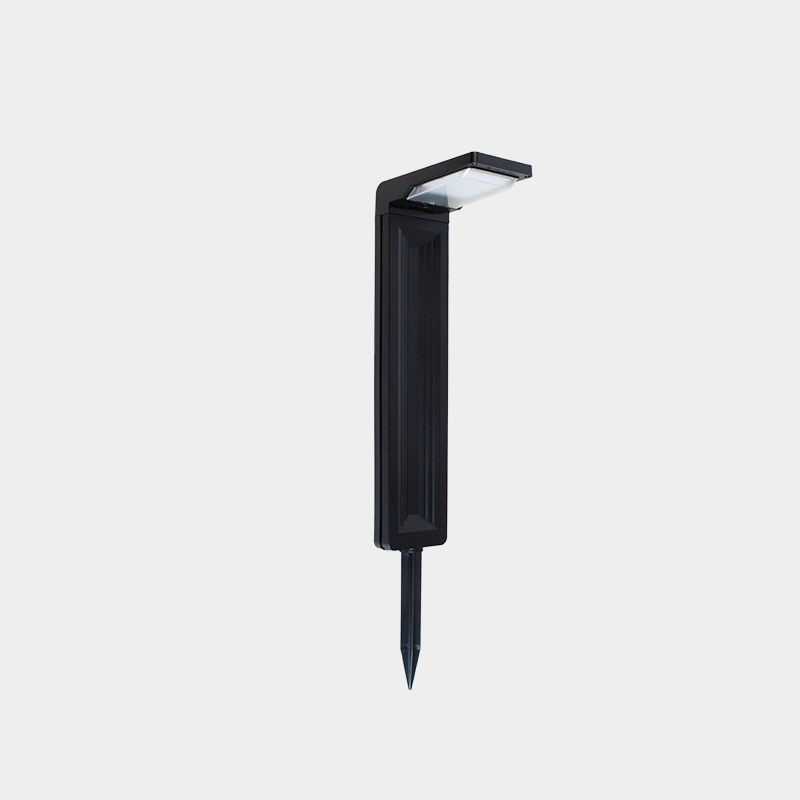
Solar spike lights can be useful in areas where trenching is difficult, temporary lighting is needed, or the project wants a simple independent fixture for remote landscape zones. They can work well for garden accents, decorative paths, small resort features, and areas where cabling cost would be high.
They are not a universal replacement for wired spike lights. Solar performance depends on panel exposure, battery capacity, weather, operating schedule, and required brightness. For premium entrances or critical brand scenes, wired systems usually provide more consistent output and control.
Scene Control for Hotel and Resort Atmosphere
Spike lights should be controlled by scene and schedule. A resort may need a bright arrival scene from sunset to late evening, a softer night scene after peak guest movement, and a maintenance scene for staff. A hotel courtyard may need different settings for normal dining, events, weddings, and late-night quiet hours.
Zoning can separate entrance trees, pathway accents, poolside planting, restaurant gardens, signage, and villa paths. Dimming, timers, photocells, and smart controls help reduce unnecessary overnight lighting while keeping the landscape attractive across seasons and operating modes.
Common Mistakes to Avoid
The first mistake is using too many spike lights. Dramatic lighting needs contrast. If every plant is lit, nothing feels special. The second mistake is aiming fixtures into guest eyes, restaurant seating, villa windows, or neighboring properties. Glare makes even expensive fixtures feel poorly designed.
The third mistake is choosing beam angle only from a catalog. Beam angle should be tested on the actual tree, wall, or object. The fourth mistake is ignoring plant growth. The fifth mistake is treating outdoor lighting as a one-time installation instead of a maintainable system.
Procurement mistakes are also common. Buyers may accept a low price without checking IP rating, cable length, connector type, finish quality, sample consistency, packaging, lead time, or spare parts. Our guide to red flags when choosing a commercial lighting supplier can help project teams avoid weak suppliers before problems appear on site.
Procurement Checklist for Spike Lights
- Confirm fixture wattage, beam angle, CCT, CRI, finish, and glare-control accessories.
- Match narrow, medium, and wide beams to trees, walls, signage, and planting zones.
- Specify IP rating, cable length, connector type, driver location, and waterproof junction method.
- Check low voltage system layout, voltage drop, transformer or driver capacity, and control zones.
- Request samples for night mockups before bulk ordering for hotels or resorts.
- Confirm CCT consistency across fixture batches and across related outdoor products.
- Review packaging, spare parts, installation accessories, and replacement policy.
- Plan lead time carefully for phased resort openings or seasonal renovation schedules.
For large hospitality orders, shipping and timing can affect the entire project schedule. Our guide on lead times and shipping for bulk LED orders explains how buyers can reduce schedule risk. If the project needs customized model families, packaging, or private label support, OEM/ODM manufacturing support can also help create a consistent outdoor lighting program.
How Enton LED Supports Spike Light Projects
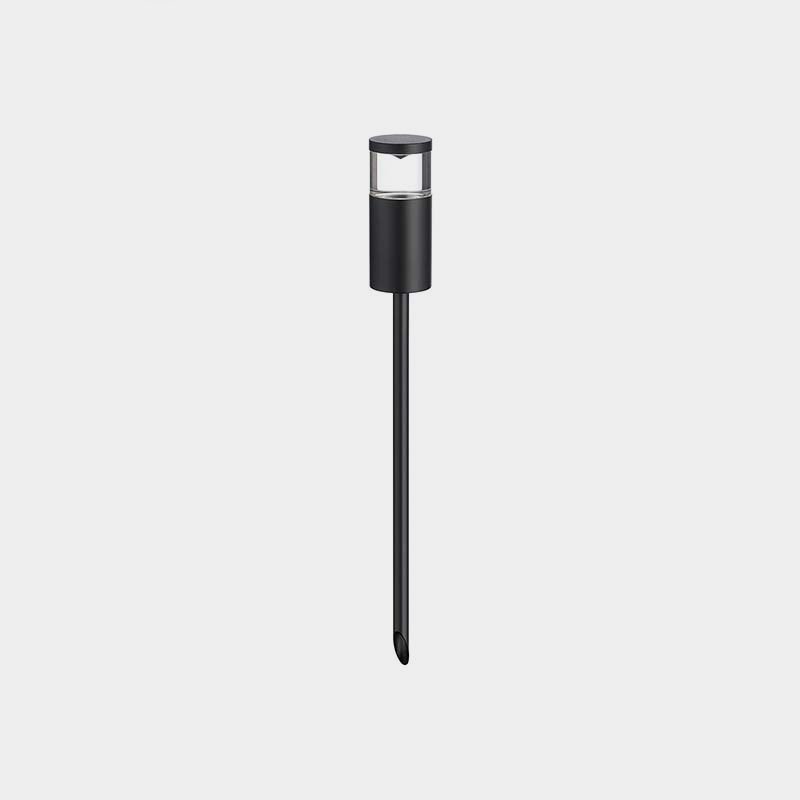
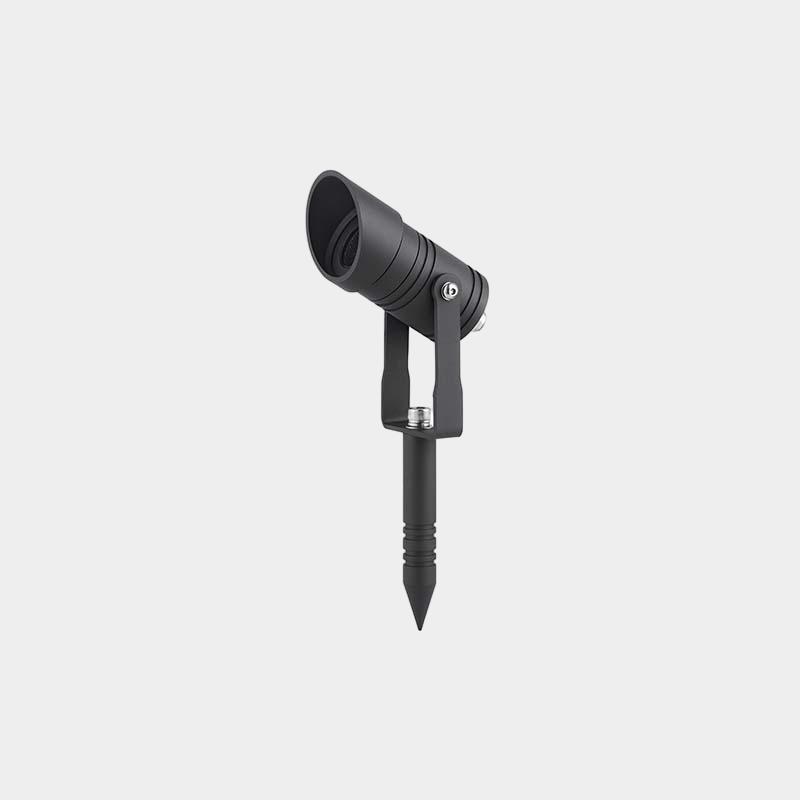
Enton LED supports hotels, resorts, landscape contractors, lighting brands, and distributors with outdoor lighting products for professional projects. Buyers can review Garden Spike Light #ETO0504, Mini LED 5W Spike Garden Light with Shield #ETO0518, Garden Ground Spike Light Waterproof IP65 #ETO0524, and Outdoor Solar Spike Light #ETS0560 for different garden and landscape applications.
We can help professional buyers compare beam angle, output, IP rating, color temperature, fixture style, solar or wired options, and project packaging. For hotel and resort lighting, the best result comes from selecting the right fixture family and then testing the actual scene at night. Product quality and design judgment need to work together.
FAQ: Spike Lights for Hotel and Resort Landscapes
What beam angle is best for tree uplighting?
Narrow beams are useful for tall palms, trunks, and vertical accents. Medium beams work well for small trees and general garden highlights. Wide beams can wash low planting or broad surfaces. The best choice depends on tree height, distance, surface texture, and viewing angle.
What color temperature should hotels use for landscape spike lights?
Warm white, often 2700K to 3000K, is commonly preferred for hospitality gardens, entrances, terraces, and villa paths. It creates a comfortable atmosphere and works well with wood, stone, plants, and warm architectural materials.
Are solar spike lights suitable for resorts?
They can be suitable for secondary garden accents, remote areas, or locations where cabling is difficult. For main entrances, critical guest pathways, or premium brand scenes, wired spike lights usually provide more consistent brightness and control.
How can hotels avoid glare from spike lights?
Use lower output where possible, choose shielded fixtures, aim lights away from normal sightlines, avoid direct view into guest rooms or dining seats, and test the scene at night before final installation.
Do spike lights need IP65?
IP65 is a common outdoor baseline, but the correct rating depends on exposure to rain, irrigation, soil splash, and cleaning water. Cable connectors, drivers, and junction boxes must also be protected; the fixture IP rating alone does not guarantee the whole system.
Conclusion
Spike lights can transform hotel and resort landscapes by creating focal points, depth, texture, and nighttime identity. They are especially valuable because they can be aimed, tested, and adjusted as the landscape evolves. The most dramatic results come from selective lighting: highlight the right trees, walls, sculptures, signage, and water features while preserving comfortable darkness around them.
For professional projects, success depends on more than choosing an attractive fixture. Beam angle, wattage, color temperature, glare control, IP rating, low voltage wiring, controls, maintenance access, and supplier support all affect the final result. Enton LED can help buyers select spike lights and related outdoor fixtures that match the visual goals and engineering requirements of hotels and resorts.