
High-end commercial interiors need lighting that can keep up with changing spaces. A luxury retail store may refresh displays every season, a hotel lounge may need several evening scenes, an office showroom may shift between work, presentation, and client reception modes, and a gallery may change exhibits without rebuilding the ceiling. In these environments, lighting must be flexible, precise, visually clean, and easy to adjust after installation.
This is why magnetic track light systems are becoming a practical solution for premium commercial interiors. Unlike a single fixed downlight or pendant, a magnetic track system works as a modular lighting platform. Designers can combine spotlights, linear modules, pendant modules, wall-wash units, and accent fixtures on the same track, then reposition or replace them as the space changes. Buyers can also compare related options in Enton LED’s track light category and broader indoor lights range.
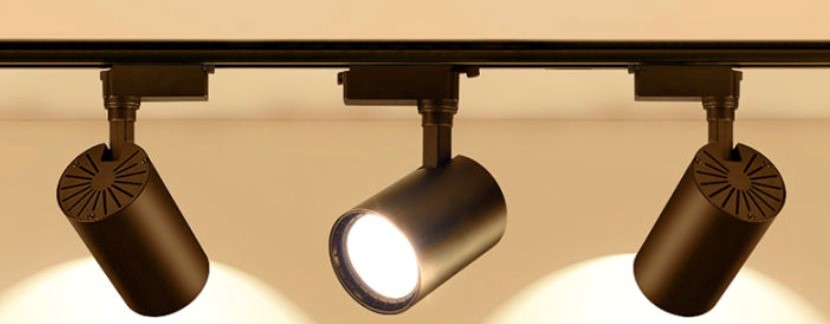
What Is a Magnetic Track Light System?
A magnetic track light system is a modular lighting system built around a track with magnetic mechanical connection and electrical contact. Instead of permanently fixing every light point into the ceiling, the system allows compatible lighting modules to be attached, moved, replaced, or reconfigured along the track.
A typical system may include:
- Magnetic track rails for recessed, surface-mounted, or suspended installation.
- Power supply or driver components, often designed for low-voltage operation.
- Spotlight modules for accent lighting.
- Linear modules for ambient or task lighting.
- Pendant modules for counters, lounges, and decorative focus.
- Wall-wash or grille modules for vertical surfaces and display areas.
- Connectors, corners, end caps, and installation accessories.
- Dimming or control options when the project requires lighting scenes.
The main value is not only the magnetic connection. The value is the system logic: one clean track infrastructure can support many lighting functions over time.
Why High-End Commercial Interiors Need Flexible Lighting
Premium commercial spaces rarely stay static. Retail displays change, hospitality spaces shift mood by time of day, galleries rotate collections, and office showrooms update product demonstrations. Fixed lighting can become a limitation when the business needs to evolve faster than the ceiling plan.
Magnetic track systems help solve this problem because lighting modules can be adjusted without major rewiring. A spotlight can move from one display wall to another. A linear module can be replaced by a pendant over a new counter. A wall-wash module can support a new branding surface. For designers and operators, that flexibility reduces the cost and disruption of future changes.
For retail-specific design thinking, Enton LED’s article The Architect’s Guide to Using Track Lights in Contemporary Retail Spaces explains how adjustable track lighting supports merchandising, accent lighting, glare control, and layout changes.
Clean Ceiling Design Is a Major Advantage
High-end interiors often depend on visual discipline. The ceiling should support the brand experience, not look crowded with unrelated fixtures. Magnetic track lighting can create a continuous architectural line that organizes multiple light types in one system.
This is especially useful in:
- Luxury boutiques where the ceiling should look minimal and premium.
- Hotel lobbies and lounges where lighting scenes need to feel refined.
- Showrooms where products, walls, counters, and circulation need different emphasis.
- Restaurants and bars where atmosphere changes between daytime and evening service.
- Offices, studios, and client-facing workspaces that need both function and style.
- Galleries and cultural spaces where exhibits change frequently.
Instead of mixing many separate fixture families, the designer can build a consistent visual language across the interior. This helps the space feel more intentional and easier to maintain.
Magnetic Track Lights Support Layered Lighting
Good commercial lighting is layered. A space may need general ambient light, focused accent light, vertical wall light, task light, decorative light, and orientation light. Magnetic track systems support this by allowing several module types to work together.
For example, a high-end retail store may use linear magnetic modules for base brightness, adjustable spotlights for mannequins and tables, wall-wash modules for merchandise walls, and pendant modules over a service counter. A hotel lounge may combine soft linear modules with warm accent spots and dimmable pendant modules. A showroom may use wide beams for general visibility and narrow beams for hero products.
This layered approach is more flexible than relying on one fixture type for every lighting task. It also gives architects and lighting designers more control over customer attention, visual rhythm, and atmosphere.
Better Merchandising and Display Flexibility
Commercial interiors often need lighting that follows the product, not the other way around. Magnetic track systems make this easier because the lighting modules can be moved and changed when displays move.
In retail and showroom environments, this can help buyers and operators:
- Highlight new collections without changing the ceiling wiring.
- Move accent spots when shelves, racks, tables, or mannequins change position.
- Use wider modules for seasonal displays and narrower modules for premium products.
- Adapt the store for events, launches, promotions, and pop-up zones.
- Keep the ceiling visually clean even when the merchandise plan changes.
Compared with fixed recessed downlights, magnetic track lighting can reduce future renovation pressure. The store can adapt more quickly, which is valuable for brands that change visual merchandising often.

Spotlights, Linear Modules, and Pendant Modules Each Have a Role
A magnetic track system becomes powerful when the designer chooses the right module for each task. The track is only the infrastructure. The final lighting effect depends on the modules, beam angles, output, color quality, aiming, and controls.
Common module roles include:
- Magnetic spotlights: useful for products, art, feature walls, signage, and display tables.
- Linear modules: useful for ambient light, counters, corridors, work zones, and clean architectural rhythm.
- Pendant modules: useful over reception desks, bar counters, hospitality lounges, and premium consultation areas.
- Wall-wash modules: useful for vertical displays, textured walls, shelves, and gallery-style lighting.
- Grille or mini spot modules: useful where a more compact or technical accent effect is desired.
For projects that also use conventional adjustable fixtures, Enton LED’s Track Light Fixture #ETI1219 and other track light products can support related commercial lighting concepts.
Color Quality Matters in Premium Commercial Spaces
High-end interiors rely on color, material, and texture. Wood, stone, leather, fabric, cosmetics, food, artwork, metal finishes, and product packaging can all look better or worse depending on the lighting. A flexible magnetic track system should still be specified with the right color performance.
For retail, hospitality, galleries, and showrooms, CRI 90+ is often worth considering where color appearance matters. CCT should also match the brand atmosphere. Warm white may support luxury hospitality and boutique retail, while neutral white may fit offices, galleries, and modern showrooms.
Enton LED’s article on high CRI lighting in retail, hospitality, and office environments explains why color rendering affects customer perception, material appearance, and professional interior quality.
Glare Control Should Not Be an Afterthought
Magnetic track lights often use compact modules, and compact modules can become visually uncomfortable if optics are not well controlled. High-end commercial interiors need flexible lighting, but they also need visual comfort. A luxury store or hotel lounge should not feel harsh simply because the lights are adjustable.
Glare control can be improved through deeper optics, baffles, honeycomb accessories, controlled beam angles, proper aiming, and careful placement. Designers should review the space from customer eye level, not only from the ceiling plan.
The WELL electric light glare control feature highlights the importance of minimizing direct and overhead glare. Even when a project is not pursuing WELL certification, the principle is useful for premium commercial interiors: lighting should create attention and atmosphere without causing visual discomfort.
Controls Make the System More Valuable
Magnetic track systems are naturally flexible in hardware. Controls add another layer of flexibility. A hotel lobby may need morning, evening, event, and cleaning scenes. A retail store may need daytime, evening, window display, and after-hours scenes. A showroom may need product demonstration scenes for different customer groups.
The U.S. Department of Energy lighting controls overview explains common methods such as dimmers, timers, sensors, and photosensors. For commercial interiors, the key is compatibility. The magnetic track system, drivers, modules, and control protocol should be confirmed before mass ordering.
Buyers should ask about dimming range, flicker performance, driver type, control method, circuit planning, and whether different module groups can be controlled separately. The more scene-based the space is, the earlier controls should be planned.
Installation Types: Recessed, Surface, or Suspended
Magnetic track systems can be installed in different ways, and the installation style affects both appearance and construction planning.
- Recessed magnetic track: creates the cleanest ceiling integration but requires careful coordination with ceiling depth and construction sequence.
- Surface-mounted magnetic track: useful for concrete ceilings, retrofit projects, exposed ceilings, or spaces where cutting the ceiling is limited.
- Suspended magnetic track: useful for high ceilings, open offices, showrooms, and hospitality areas where the lighting plane needs to drop below the structure.
The right installation method depends on ceiling conditions, interior style, electrical access, maintenance needs, and construction schedule. Buyers should confirm the track profile, connectors, driver location, load limits, and installation accessories before approval.
How Magnetic Track Systems Compare with Traditional Track Lighting
Traditional track lighting is already flexible and widely used in retail and commercial interiors. Magnetic track systems build on that idea but usually aim for a more integrated, modular, and minimalist appearance. The system often feels more architectural because different module types can sit within the same track language.
Traditional track lighting may be better when the project needs familiar products, strong adjustable spot performance, or lower-cost implementation. Magnetic track lighting may be better when the project needs a premium ceiling line, mixed module types, fast visual reconfiguration, and a more contemporary design impression.
There is no universal answer. The best choice depends on project budget, design intent, ceiling conditions, product availability, controls, and maintenance strategy.
Specification Checklist for Magnetic Track Light Systems
Before approving a magnetic track lighting order, professional buyers should check the whole system, not only the module appearance.
- Track type, installation method, dimensions, and finish.
- System voltage, power supply, driver location, and load capacity.
- Compatible module types: spot, linear, pendant, wall-wash, and grille modules.
- Wattage, lumen output, beam angle, CCT, CRI, and color consistency.
- Dimming compatibility, control protocol, grouping, and scene requirements.
- Glare control accessories such as honeycomb, baffles, or optical lenses.
- Connector options for corners, intersections, suspended runs, and custom layouts.
- Safety documentation, test reports, labels, and target-market requirements.
- Spare parts, repeat order consistency, and module availability over time.
- Packaging, installation manual, model numbering, and project labeling.
For larger sourcing programs, Enton LED’s article on lead times and shipping for bulk LED orders explains why samples, production, inspection, and logistics should be planned before installation deadlines.
Customization Can Strengthen Brand and Project Fit
Magnetic track light systems are especially suitable for customization because the system includes visible track profiles, module housings, finishes, beam options, controls, packaging, and product family planning. A lighting distributor or project brand may want a specific finish, a consistent module family, private-label packaging, or a project-specific kit.
Customization should still be controlled carefully. Changing a driver, module structure, connector, finish, or packaging detail can affect cost, lead time, testing, and repeat orders. Enton LED’s article on custom design modifications for lighting brands explains how product appearance, installation details, specifications, and packaging can become competitive advantages when managed correctly.
Common Mistakes to Avoid
Magnetic track lighting looks clean and modern, but the project can still fail if the system is selected too casually. Buyers should avoid treating it as only a decorative trend.
Common mistakes include:
- Choosing a system before confirming ceiling and driver space.
- Mixing incompatible tracks, modules, drivers, or controls.
- Ignoring load capacity and circuit planning.
- Using one beam angle for every retail or hospitality zone.
- Forgetting glare control in customer-facing areas.
- Choosing low CRI modules for color-sensitive interiors.
- Skipping sample approval before bulk ordering.
- Not confirming future module availability for repeat orders.
Supplier reliability matters strongly for system-based lighting. Enton LED’s guide on red flags when choosing a commercial lighting supplier can help buyers evaluate communication, documentation, sample support, production control, and after-sales risk.
How Enton LED Supports Commercial Track Lighting Projects
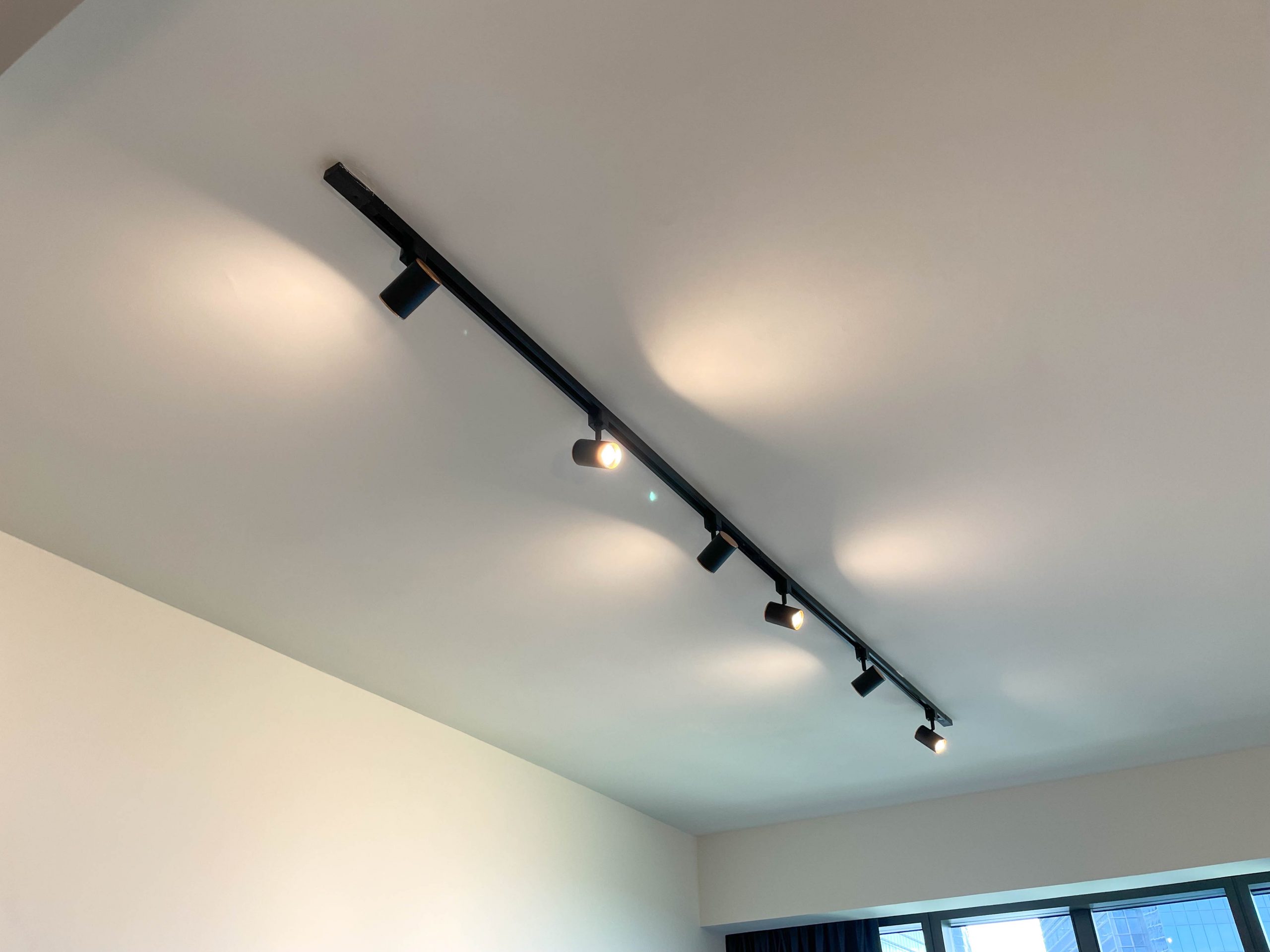
Enton LED supplies commercial indoor lighting solutions for project and wholesale buyers, including track lights, downlights, pendant lights, ceiling lights, spotlights, and related system-based lighting products. Buyers can browse the All Products page or review the track light category for related options.
For high-end commercial interiors, Enton LED can help buyers discuss fixture type, track layout, module selection, beam angle, CCT, CRI, finish, dimming, packaging, samples, production schedule, and repeat order consistency. For buyers managing multiple product categories, the article on how a one-stop lighting manufacturer saves time and money explains why coordinated sourcing can reduce project complexity.
Conclusion
Magnetic track light systems are valuable for high-end commercial interiors because they combine clean architectural design with long-term lighting flexibility. They allow designers and operators to adjust the lighting layout, change module types, support layered lighting, and respond to new merchandising or atmosphere requirements without rebuilding the ceiling.
The best result comes from treating magnetic track lighting as a complete system. Buyers should evaluate track profiles, module types, color quality, glare control, installation method, controls, safety documentation, customization, and supplier support together. When those details are aligned, magnetic track lighting becomes more than a stylish ceiling feature. It becomes a flexible lighting platform for premium commercial spaces.
FAQs About Magnetic Track Light Systems
Are magnetic track light systems suitable for luxury retail stores?
Yes. They are well suited to luxury retail because they provide clean ceiling lines, flexible product accent lighting, and the ability to adjust modules when displays change.
Can magnetic track lights be used in hotels and restaurants?
Yes, magnetic track systems can work in hotel lobbies, lounges, restaurants, bars, corridors, and reception areas when the module type, CCT, dimming, glare control, and installation method are selected correctly.
Are magnetic track systems better than traditional track lights?
Not always. Magnetic track systems often provide a cleaner and more modular design, while traditional track lights may offer familiar installation and strong spotlight performance. The best choice depends on design intent, budget, ceiling conditions, and maintenance needs.
What should buyers check before ordering magnetic track lighting?
Buyers should check system voltage, track type, load capacity, module compatibility, beam angle, CCT, CRI, dimming, controls, safety documentation, installation accessories, and future repeat order support.
Can magnetic track light systems be customized?
Yes. Many system details can be customized, including finish, module combination, beam angle, packaging, labeling, and product family planning. Buyers should confirm which changes affect lead time, testing, cost, and repeat order consistency.