
Modern commercial projects are changing fast. Offices, hotels, retail stores, galleries, schools, and mixed-use buildings all need lighting that looks clean, performs reliably, and supports flexible interior planning. That is why linear LED lighting has moved from a design option to a practical standard for many modern projects.
The appeal is easy to understand. Linear lighting creates continuous lines of light instead of scattered bright points. It can guide circulation, define zones, wash walls, highlight counters, or make a ceiling look more organized. For project buyers, it also offers strong energy performance, easier maintenance, and a modern appearance that fits many different commercial spaces.
For buyers who are planning a new interior lighting package, Enton Light offers related indoor lights, pendant lights, and project-ready fixtures through the All Products page.
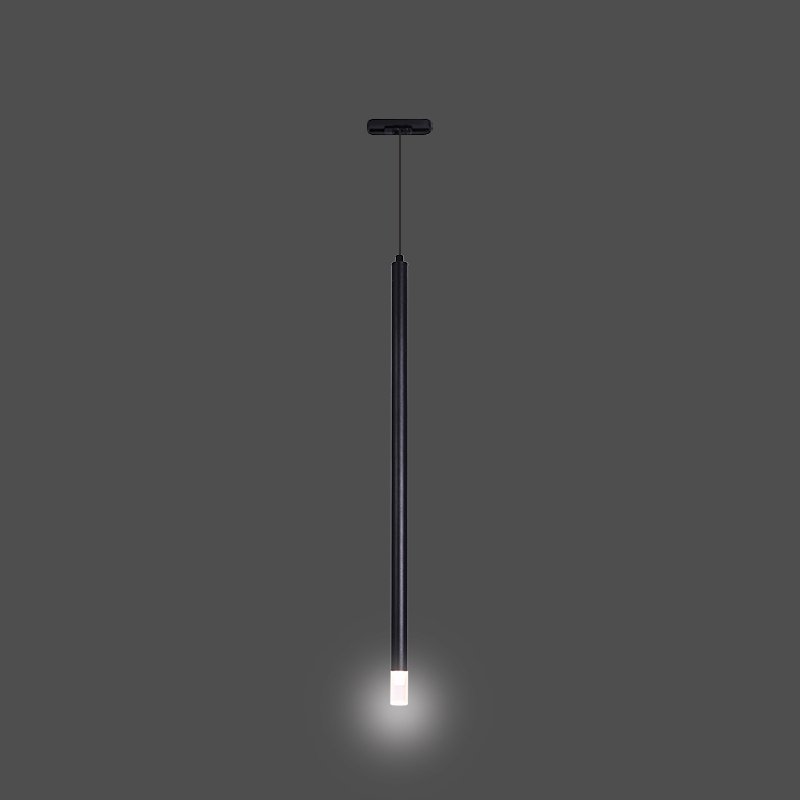
Why Linear LED Lighting Fits Modern Commercial Design
Linear LED lighting works because it matches how modern buildings are being designed. Many commercial interiors now use open layouts, long circulation paths, minimalist ceilings, and shared multi-purpose areas. A line of light can follow that architecture better than a group of traditional round fixtures.
Instead of only filling a room with brightness, linear lighting can shape the experience of the space. It can make a lobby feel longer, a retail shelf look more premium, or an office ceiling feel more ordered. This is one reason many project teams now treats lighting as part of the architecture, not only as an electrical item.
There is also a practical side. LED technology has made linear fixtures more compact, efficient, and customizable. The U.S. Department of Energy explains LED lighting as an efficient lighting technology with long service potential, which is one reason commercial buyers keep moving away from older sources.
1. Cleaner Ceilings and Stronger Visual Lines
The first reason linear LED lighting is becoming standard is appearance. Modern commercial spaces often need calm, clean surfaces. Too many visible fixtures can make a ceiling look busy, especially in offices, hotel corridors, meeting rooms, retail stores, and reception areas.
Linear lighting solves this problem by creating a continuous visual language. It can run parallel to walls, align with ceiling panels, frame a counter, or follow a corridor. This gives designers a simple way to connect lighting with the building plan.
For many projects, a linear fixture also works as a design element even when it is switched off. A black or white profile can match the ceiling, furniture, or architectural metalwork. In hospitality and retail projects, that clean line helps the space look intentional instead of overfilled with separate lamps.
2. Better Light Distribution for Large Areas
Commercial lighting is not only about brightness. It is about the right distribution of light. Linear LED fixtures can spread light across long tables, counters, corridors, shelving, workstations, and circulation zones with fewer dark gaps.
Compared with a single point source, a linear source can reduce strong contrast in some layouts. This helps people read, walk, work, compare products, or move through the space comfortably. In offices, balanced linear light can support desks and meeting rooms. In retail, it can help products look clearer. In hotels, it can guide guests without making corridors feel harsh.
The DOE Federal Energy Management Program guide for efficient light fixtures is a useful reference for project teams thinking about fixture efficiency and procurement. For B2B buyers, efficiency is not a small detail; it affects operating cost for years after installation.
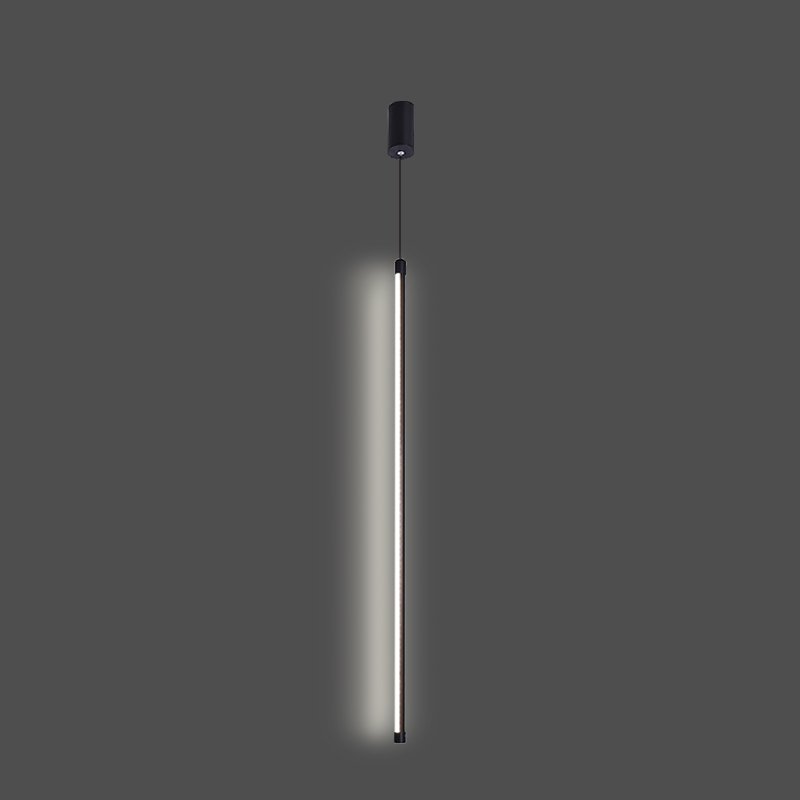
3. Flexible Layouts for Changing Commercial Spaces
Commercial interiors change more often than residential spaces. A store may update its display plan. An office may convert private rooms into shared work areas. A hotel lobby may need different lighting scenes for morning, afternoon, and evening use.
Linear LED lighting fits these changes because it can be used in many different forms:
- Suspended linear pendants for open offices, meeting tables, counters, and reception desks.
- Surface mounted linear fixtures for simple installation on solid ceilings.
- Recessed linear lighting for a cleaner built-in ceiling effect.
- Wall washing lines for corridors, galleries, retail walls, and branded displays.
- Indirect linear lighting for softer ambient light in hotels and lounges.
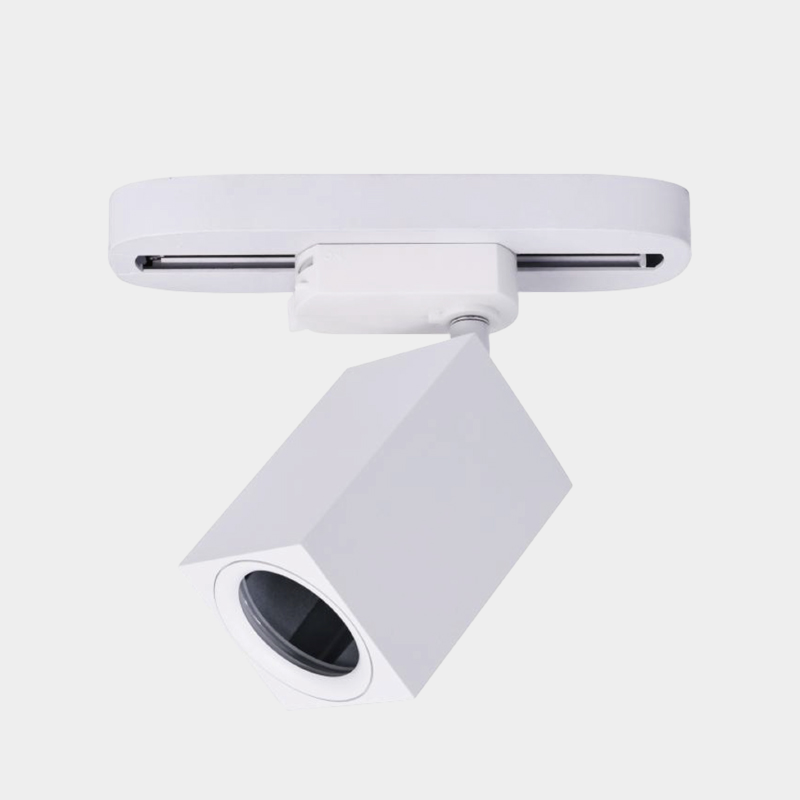
When a project combines linear fixtures with recessed downlights or track lights, the lighting plan becomes even more flexible. The linear lights create structure, while downlights and track fixtures add focus where it is needed.
4. Stronger Control Over Mood and Function
Modern projects increasingly need lighting scenes. A restaurant may want brighter light during cleaning and softer light during dinner. A retail shop may need stronger accent lighting for new displays. An office may need comfortable daytime lighting with lower glare.
Linear LED lighting can be paired with dimming systems, sensors, and zoning controls. This helps the same space serve different functions. A conference room, for example, can use one setting for presentations and another for discussion. A lobby can feel bright and active during daytime, then warmer and more relaxed in the evening.
For commercial buyers, lighting controls are also connected with efficiency. The DOE overview of lighting controls explains how controls such as dimmers, sensors, and timers can help manage lighting use. In large projects, that can make a visible difference in operating behavior.
5. A More Professional Look for B2B Spaces
Linear lighting has become common in commercial projects because it looks professional without needing too much decoration. It fits a wide range of interiors, from minimalist offices to hotel corridors and showroom ceilings.
For brands, this matters. Lighting is one of the first details customers notice, even when they do not think about it directly. Uneven lighting, dark corners, or outdated fixtures can make a space feel older. Clean linear LED lighting can make the same space feel more premium and organized.
This is especially useful in projects where the lighting must support both design and sales. In a showroom, the light should help products look good. In a retail store, the light should guide customers naturally. In an office, the light should support work without making the space feel cold.
Where Linear LED Lighting Works Best
Offices and Co-working Spaces
Linear fixtures are often used above desks, meeting tables, reception counters, and collaborative areas. They help organize open ceilings and support long work surfaces. Buyers can combine linear pendants with spotlights where accent lighting is needed.
Retail and Showrooms
Retail projects need clear product visibility. Linear LED lighting can create a modern base layer, while adjustable fixtures highlight shelves, display tables, or brand walls. Buyers can browse more options from the Enton Light shop.
Hotels, Restaurants, and Hospitality Areas
In hospitality projects, linear lighting can be used around reception desks, dining zones, corridors, and feature ceilings. It gives designers a clean tool for mood, direction, and visual comfort.
Education and Public Buildings
Schools, libraries, training centers, and public buildings often need efficient, durable lighting that looks orderly. Linear fixtures can help maintain a consistent design across classrooms, corridors, offices, and shared areas.
Mixed Indoor and Outdoor Projects
Some commercial projects need a consistent lighting story from interior to exterior. Enton Light also supplies outdoor lights and solar lights, which can support landscape, facade, pathway, and garden areas around the same project.
Linear LED Lighting vs. Traditional Fixture Layouts
Traditional commercial lighting often relies on many separate downlights, panels, or decorative fixtures. Those solutions still have value, but linear LED lighting gives project teams another level of design control. A continuous line can simplify the ceiling and reduce visual clutter.
Here is the simple difference:
- Traditional point fixtures are useful for focused areas, simple replacement, and modular installation.
- Linear LED lighting is useful for visual continuity, longer light distribution, architectural alignment, and modern design language.
- A combined plan often works best: linear fixtures for structure, downlights for general support, and track lights for flexible accents.
That is why many commercial projects do not choose only one fixture type. They build a lighting system. Linear LED lighting becomes the standard layer, then other fixtures solve specific tasks.
What Buyers Should Check Before Ordering Linear LED Fixtures
A good-looking fixture is only part of the decision. Commercial buyers also need to check performance, installation, and supplier support. A supplier with stable product data make selection easier, especially when the order is for many rooms or many stores.
- Light output: Check lumen output and spacing so the project reaches the intended brightness.
- Color temperature: Warm white is common for hospitality, while neutral or cool white may fit offices and retail spaces.
- CRI: Higher color rendering helps products, materials, and finishes look more accurate.
- Driver quality: Reliable drivers reduce flicker risk and support long-term performance.
- Dimming options: Confirm whether the fixture supports the control system required by the project.
- Installation method: Suspended, recessed, and surface-mounted versions all need different planning.
- Finish and size: The profile color, length, and mounting details should match the ceiling and interior design.
- Product consistency: For multi-site commercial projects, consistent supply and stable specifications matter a lot.
How Enton Light Supports Commercial Lighting Projects
Enton Light focuses on indoor, outdoor, and solar lighting products for project and wholesale buyers. For a commercial interior, buyers can compare Modern linear Pendant Light #P-XKF-80017, Modern linear Pendant Light #P-XKF-80012, and related pendant light options.
For broader project planning, the About Enton Light page gives company background, while the Contact page is the best place to discuss product selection, project quantity, specifications, and sourcing needs.
Conclusion
Linear LED lighting is becoming the standard for modern commercial projects because it solves both design and performance problems. It creates cleaner ceilings, supports flexible layouts, improves visual consistency, and works well with controls and other fixture types.
For buyers, the value is not only the look. It is the way linear lighting can make a commercial space easier to plan, easier to operate, and easier to keep visually consistent across a project. When combined with the right downlights, track lights, and outdoor fixtures, linear LED lighting becomes part of a complete lighting strategy.
FAQs About Linear LED Lighting for Commercial Projects
What is linear LED lighting?
Linear LED lighting uses a long, narrow light source or fixture profile to create a continuous line of light. It can be suspended, recessed, surface mounted, or integrated into architectural details.
Why is linear LED lighting popular in commercial interiors?
It gives commercial spaces a clean modern appearance, distributes light across long areas, and supports flexible layouts. It also works well with dimming and zoning controls.
Where can linear LED fixtures be used?
They are commonly used in offices, meeting rooms, hotel corridors, retail stores, restaurants, reception areas, showrooms, schools, and public buildings.
Is linear LED lighting only decorative?
No. It can be decorative, but it also provides practical ambient, task, and accent lighting. The final result depends on fixture output, beam design, mounting height, and layout.
Can linear LED lighting replace downlights?
Sometimes, but many commercial projects use both. Linear fixtures create clean structure and broad distribution, while downlights add focused support in specific areas.
What should buyers check before ordering?
Buyers should check lumen output, color temperature, CRI, dimming compatibility, driver quality, mounting method, profile finish, and supplier consistency.
How can I choose fixtures for a commercial project?
Start with the space function, ceiling plan, desired mood, and maintenance needs. Then compare product categories, request specifications, and contact the supplier for project advice.