
Sourcing commercial LED lighting directly from China manufacturers can help brands, wholesalers, contractors, and project suppliers control cost, expand product options, and build more flexible supply chains. But direct sourcing is not only about finding a lower unit price. It requires clear specifications, supplier verification, sample testing, quality control, compliance planning, packaging details, and professional communication.
This guide explains how to source commercial LED lighting from China manufacturers in a practical way. It is written for buyers who need indoor lighting, outdoor lighting, solar lighting, architectural fixtures, project products, wholesale SKUs, or OEM/ODM support. If you are comparing suppliers, you may also find Enton LED’s article on why global businesses choose Enton LED as their trusted supplier useful.
Why Buyers Source Commercial LED Lighting Directly from China
China remains one of the most important manufacturing bases for LED lighting because the supply chain is deep. Buyers can find fixture housings, LED modules, drivers, optics, aluminum profiles, packaging, accessories, and assembly resources within a mature manufacturing ecosystem. This helps direct buyers move from idea to sample and from sample to mass production more efficiently.
For commercial lighting businesses, direct sourcing can offer several advantages:
- More competitive pricing by reducing unnecessary trading layers.
- Broader product choices across indoor, outdoor, and solar lighting.
- More control over specifications, packaging, labels, and accessories.
- Better support for OEM and ODM product development.
- Faster feedback when a project requires technical changes.
- More stable repeat purchasing when the supplier relationship is well managed.
These advantages only appear when the buyer chooses the right supplier and manages the process carefully. A poor supplier can create the opposite result: wrong specifications, unstable quality, delayed shipment, packaging errors, or difficult after-sales communication.
Start with a Clear Product Scope
Before contacting manufacturers, buyers should define what they are sourcing. “Commercial LED lighting” is too broad by itself. A hotel, retail chain, office building, outdoor landscape project, distributor catalog, and private-label brand may all require different fixture types and performance targets.
A good sourcing brief should include:
- Product category, such as downlight, track light, pendant light, spotlight, wall light, outdoor light, solar light, or LED strip.
- Application environment, such as retail, office, hotel, restaurant, corridor, facade, garden, warehouse, or residential project.
- Electrical requirements, including voltage, wattage, driver type, and dimming method.
- Optical requirements, including lumen output, beam angle, CCT, CRI, glare control, and diffuser style.
- Mechanical details, including size, installation method, finish, IP rating, cable, connector, and mounting accessories.
- Commercial requirements, including target price, quantity, packaging, lead time, warranty expectation, and destination market.
Enton LED’s All Products page is a useful starting point because it shows a broad range of lighting categories, including indoor lights, outdoor lights, and solar lights.
Choose the Right Fixture Categories
Different commercial spaces need different lighting products. Choosing the fixture category first helps the buyer avoid wasting time with suppliers who do not match the project.
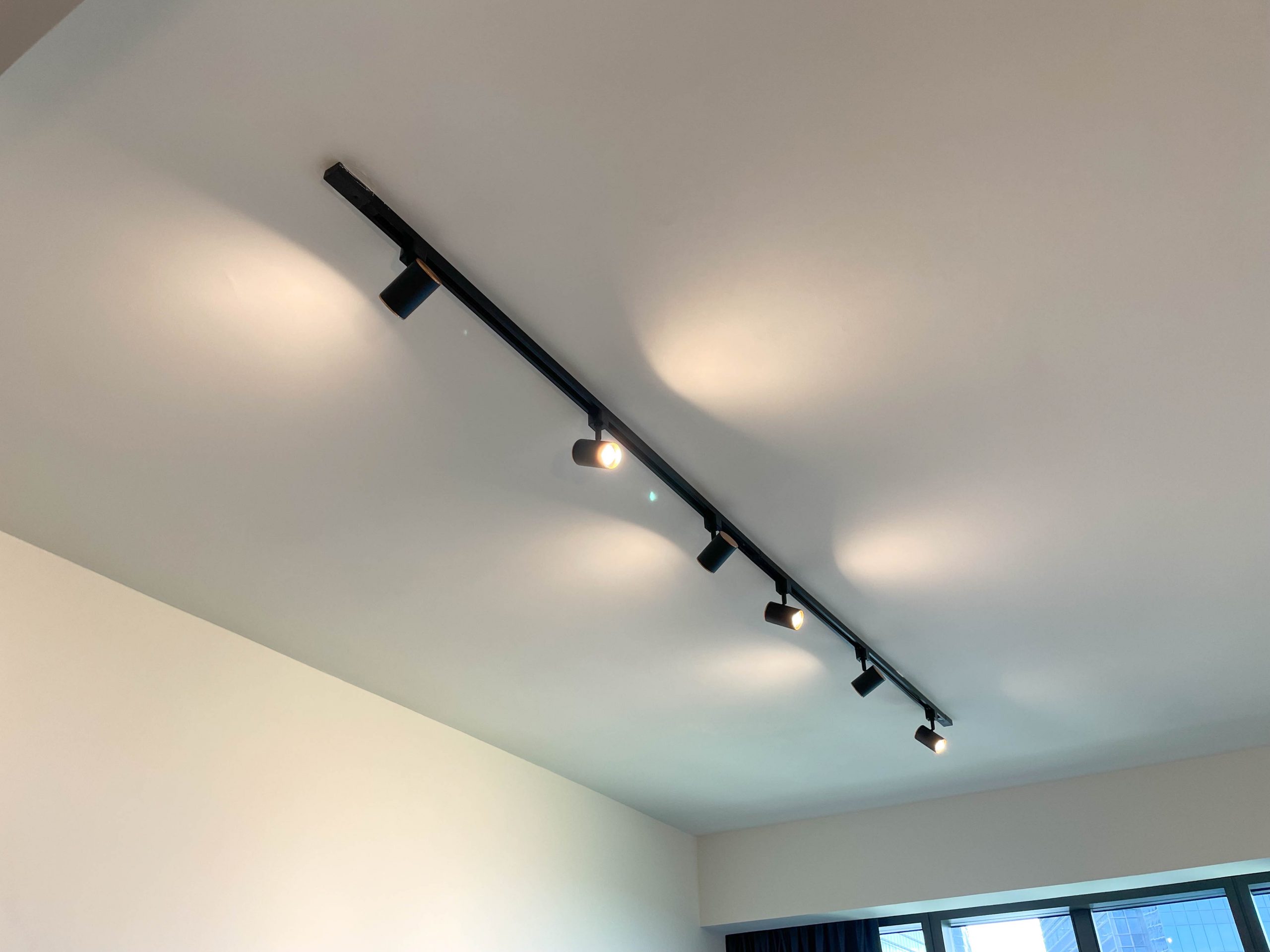
For indoor commercial projects, buyers often source recessed downlights, surface downlights, track lights, spotlights, ceiling lights, and pendant lights. For exterior projects, buyers may need outdoor wall lights, bollard lights, step lights, spike lights, lawn lights, or solar outdoor products.
Fixture choice should follow the business use case. Retail stores may prioritize track lights, spotlights, and high CRI display lighting. Offices may need downlights, linear lighting, and pendant lights. Hotels may use downlights, wall lights, and decorative fixtures. Outdoor projects may prioritize IP rating, corrosion resistance, driver protection, and installation durability.
Direct Manufacturer or Trading Company?
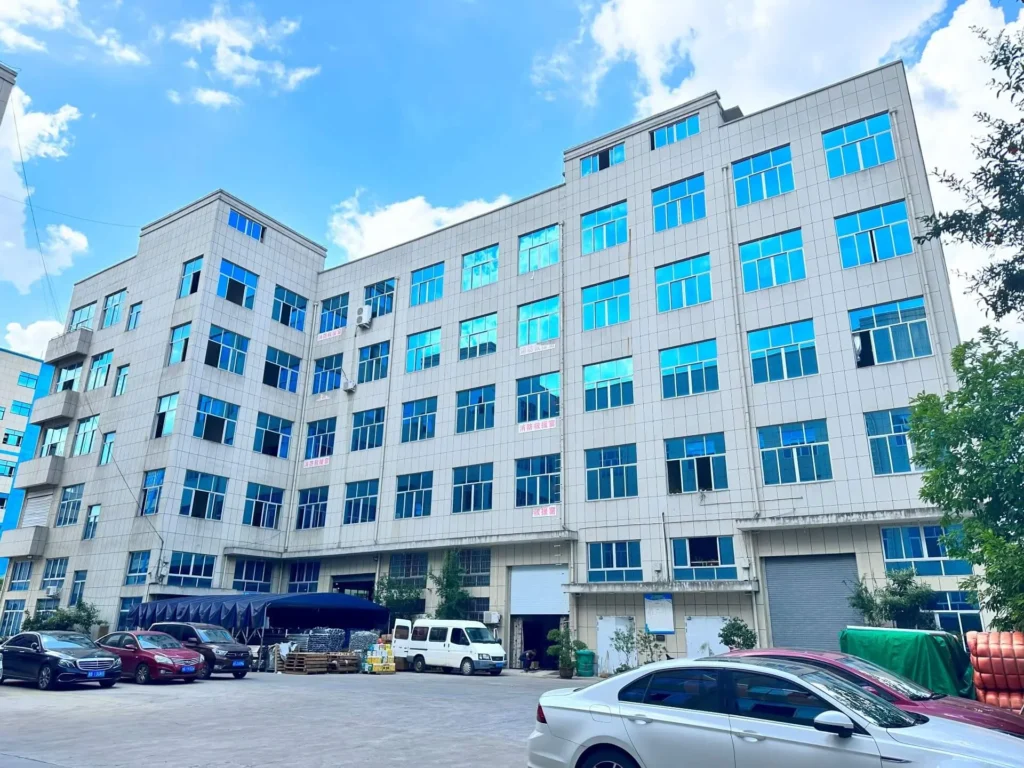
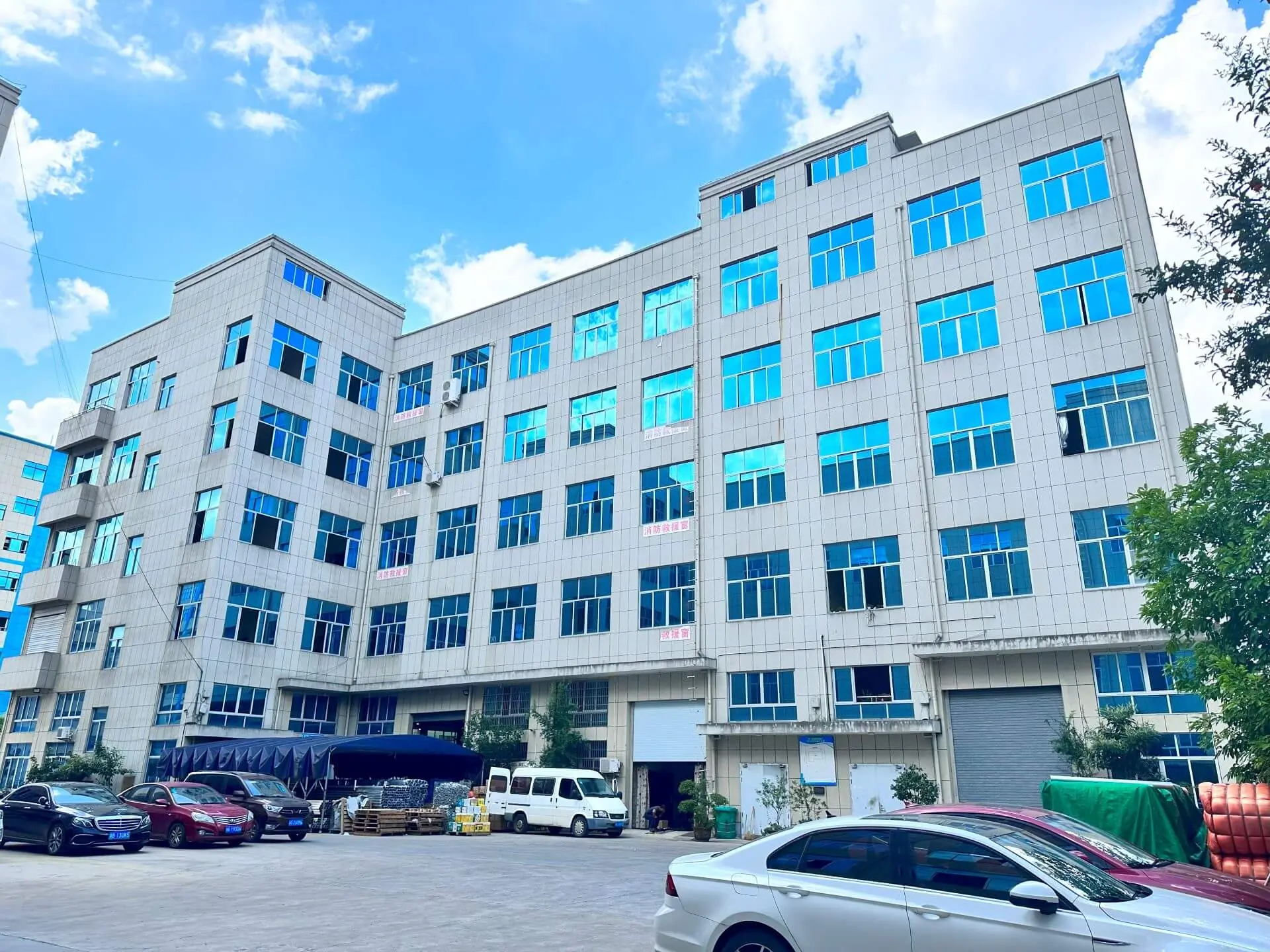
Both direct manufacturers and trading companies can be useful, but buyers should understand the difference. A trading company may offer broader sourcing across many factories and easier communication. A direct manufacturer may offer better control over production details, customization, sampling, quality checks, and repeat orders.
For commercial LED lighting, direct manufacturer sourcing is often better when the buyer needs custom specifications, private-label packaging, consistent repeat orders, or project support. It is also useful when technical communication matters, such as driver selection, dimming compatibility, heat management, beam angle, IP protection, or product structure.
Buyers should not rely only on labels. Some suppliers use the word “factory” loosely. Ask practical questions: What product categories are produced in-house? Which processes are outsourced? Can the supplier show factory photos or production details? Who handles packaging and inspection? Can the same model be repeated in future orders?
How to Evaluate a China LED Lighting Manufacturer
A strong supplier is not defined only by a low price. Commercial lighting buyers should evaluate the manufacturer’s product range, technical knowledge, process control, communication, documentation, and after-sales attitude.
Useful evaluation questions include:
- Does the manufacturer understand the target application and installation environment?
- Can it explain key specifications such as CCT, CRI, lumen output, driver type, beam angle, and IP rating?
- Can it support samples before mass production?
- Can it provide packaging, labeling, manuals, barcodes, and model-number control?
- Can it maintain consistency across repeat orders?
- Does it respond clearly when technical or delivery problems appear?
- Can it support OEM or ODM requirements for growing brands?
Enton LED combines product range, factory-side support, and one-stop communication for buyers who need practical indoor and outdoor lighting supply. Buyers can review the company background on the About page or send project details through the Contact page.
Prepare a Professional RFQ
A professional RFQ saves time and improves quotation accuracy. If the buyer only asks, “What is your best price?” the supplier may quote a basic version that does not match the real project. A detailed RFQ helps the manufacturer understand the product level, market, and expected quality.
For commercial lighting, a strong RFQ should include product category, quantity, target application, installation country, voltage, wattage, CCT, CRI, beam angle, finish, IP rating, dimming requirement, packaging requirement, certification expectation, sample quantity, target delivery time, and shipping term. If the buyer has a drawing, project photo, competitor sample, or datasheet, that information should be included.
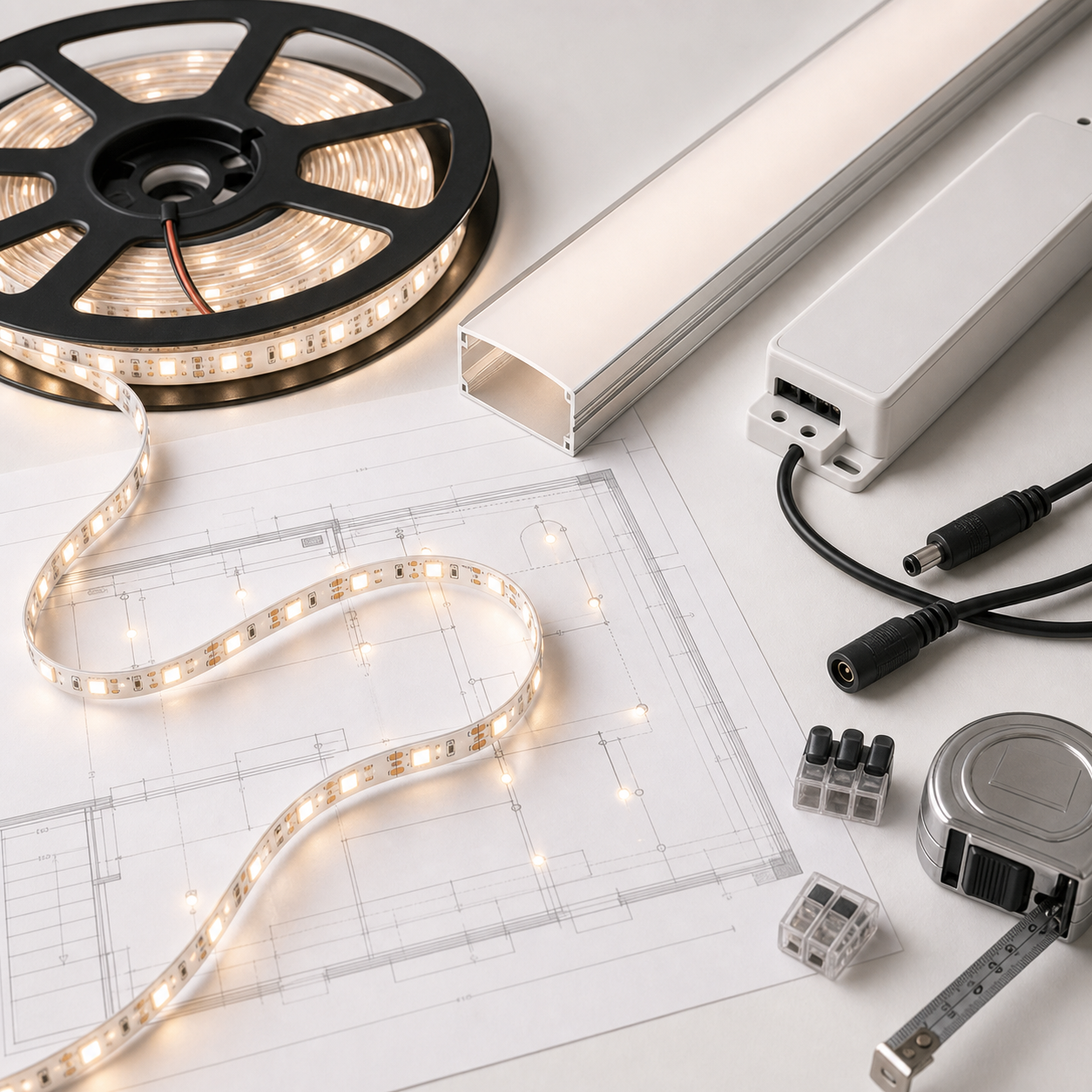
For LED strip projects, specification control is especially important. Enton Light’s guide on how to select LED strip lights for large-scale engineering projects explains why voltage, wattage, driver load, IP rating, cut length, and installation planning matter.
Request Samples Before Bulk Orders
Samples are one of the most important steps in direct sourcing. A sample helps the buyer check product appearance, material quality, light output, CCT, CRI, beam angle, driver behavior, dimming compatibility, packaging, and installation details before committing to mass production.
Sample review should be systematic. Buyers should compare the sample with the agreed specification and test it in a realistic environment. For retail and hospitality projects, color rendering matters; Enton Light’s article on high CRI lighting in retail, hospitality, and office environments explains why color quality affects how products, finishes, and people look under LED light.
If changes are needed, buyers should record them clearly before approving mass production. Written confirmation is better than loose chat messages because it reduces confusion when the factory prepares materials and packaging.
Understand Compliance, Certification, and Import Responsibility
Compliance requirements depend on the destination market, product type, voltage, installation environment, and sales channel. Buyers should not assume that one certificate is enough for every country or every project. Importers, distributors, and brand owners may also have legal responsibilities in their own markets.
For the United States, U.S. Customs and Border Protection basic importing guidance is a useful official starting point for understanding importer responsibilities. For North American lighting safety, UL Solutions lighting safety testing and certification explains how lighting products and components are evaluated. For Europe, the European Commission’s CE marking information explains the role of manufacturers, importers, and distributors in placing compliant products on the EEA market.
Before ordering, buyers should ask for relevant test reports, certificates, declarations, product labels, driver documentation, and packaging requirements. For high-value or regulated markets, work with a qualified testing body, customs broker, or compliance consultant before shipment.
Control Quality Before Shipment
Quality control should not begin after the goods arrive. Buyers should agree on inspection points before production starts. For commercial LED lighting, important checks may include housing finish, LED color consistency, driver compatibility, wiring, lens or diffuser quality, beam angle, installation accessories, packaging, label accuracy, and carton strength.
A practical inspection plan may include incoming material inspection, sample approval, production check, aging or power-on testing, visual inspection, packing inspection, and final shipment inspection. For repeat orders, batch consistency should be reviewed because a model used in one project may need to match later phases of the same project.
Buyers should also confirm how after-sales issues will be handled. A reliable manufacturer should be willing to analyze problems, review photos or videos, identify the cause, and support practical solutions.
Plan Packaging, Branding, and Documentation
Packaging is part of product quality. Poor packaging can damage fixtures during transport, confuse installers, or make a professional brand look unfinished. Direct sourcing gives buyers more control over packaging, but those details must be confirmed early.
For wholesale and private-label orders, packaging may include neutral cartons, color boxes, product labels, user manuals, wiring diagrams, barcodes, model numbers, and installation notes. For OEM/ODM buyers, packaging consistency helps build brand trust and reduce service questions. Enton Light’s article on LED strip OEM/ODM manufacturing explains how product development, private label packaging, and supplier cooperation can support brand growth.
Manage Lead Time, Payment, and Shipping Terms
Direct sourcing requires realistic scheduling. Buyers should confirm sample time, production lead time, packaging approval time, inspection time, shipping method, and holiday impact. Commercial lighting projects often have fixed installation dates, so late delivery can become expensive.
Payment terms and shipping terms should also be clear. Buyers should understand whether the quotation is EXW, FOB, CIF, DDP, or another term, and who is responsible for local duties, taxes, insurance, customs clearance, and final delivery. For new supplier relationships, it is safer to start with samples or a controlled first order before scaling into large-volume purchasing.
Build a Long-Term Supplier Relationship
The best result of direct sourcing is not one cheap order. It is a stable manufacturer relationship that helps the buyer quote faster, launch products faster, solve problems faster, and keep quality consistent across repeat orders.
To build that relationship, buyers should share clear forecasts, confirm specifications in writing, provide feedback after sample testing, respect realistic lead times, and communicate changes early. In return, a good China LED lighting manufacturer should provide technical feedback, stable production, honest communication, and reliable support when projects change.
For modern commercial projects, buyers may also consider linear lighting as part of their sourcing plan. Enton Light’s guide on why linear LED lighting is becoming the standard for modern commercial projects explains how clean architectural lines, efficient distribution, and flexible installation support offices, retail, hospitality, and public spaces.
Why Enton LED Is a Practical China Lighting Supplier
Enton LED supports global buyers with indoor lighting, outdoor lighting, solar lighting, factory-side coordination, product communication, packaging, and inspection awareness. The product range covers many commercial needs, from downlights and track lights to pendant lights, wall lights, outdoor fixtures, solar products, and related project lighting solutions.
For buyers sourcing directly from China, Enton LED can help turn a broad requirement into a clearer product plan. Instead of only comparing catalog photos, buyers can discuss application, specification, samples, packaging, and repeat-order needs with a supplier that understands practical project sourcing.
A successful sourcing process starts with clear requirements, a reliable manufacturer, verified samples, controlled quality, and realistic import planning. When these steps are handled well, direct sourcing from China can become a long-term advantage for commercial lighting businesses.